To be honest, before going to the Dermatology department at Sinsa’s Theippo for the Thermage FLX treatment, I hesitated for a long time. There weren’t many reviews about Theippo’s radiofrequency treatments online, and the discussions on Dcard and PTT were even rarer—which actually made me more curious about whether this Dermatology clinic, hidden in a small alley in Sinsa, really offered effective radiofrequency treatments worth trying. It’s been almost two months since I had the procedure, and in this article, I explain in detail the entire process, the cost range, the changes after the treatment, as well as the real reviews from Dcard and PTT that I’ve collected. If you’re still deciding whether to go to Theippo for the Thermage FLX treatment, I suggest saving this article first before making your choice.
What is Fenghuang Radio Thermage FLX? Understand the principle of full-face lifting in one go.
💡
Thermage FLX (commonly known as Phoenix Radio Wave) is currently one of the most popular non-invasive lifting devices in South Korea’s medical aesthetics market. Its core principle involves using Monopolar RF to precisely deliver heat energy to the dermis and subcutaneous tissues, maintaining the ONDO at around 65°C. This process stimulates Collagen to contract immediately and activates the skin’s self-repair mechanisms, resulting in the continuous production of new Collagen over the following 3 to 6 months – thus achieving a “progressive lifting” effect.
Compared with the traditional Thermage CPT, the most significant improvements in the FLX version lie in the “vibrating probe” and the “AccuREP automatic energy calibration system”. The vibrating probe significantly reduces the burning sensation during treatment, while the AccuREP ensures that each dose of energy is optimized through algorithms, eliminating the need for doctors to manually adjust parameters and thus achieving better ILCHI. A standard full-face treatment involves approximately 600 doses (Total Tip 3.0), covering areas such as the Forehead, eye contours, mid-to-lower face, Double Chin, and upper neck. The treatment takes around 45–60 minutes, and the results last for 1–2 years.
Theippo Dermatology in Sinsa: Environment and In-person Consultation Experience
🏥
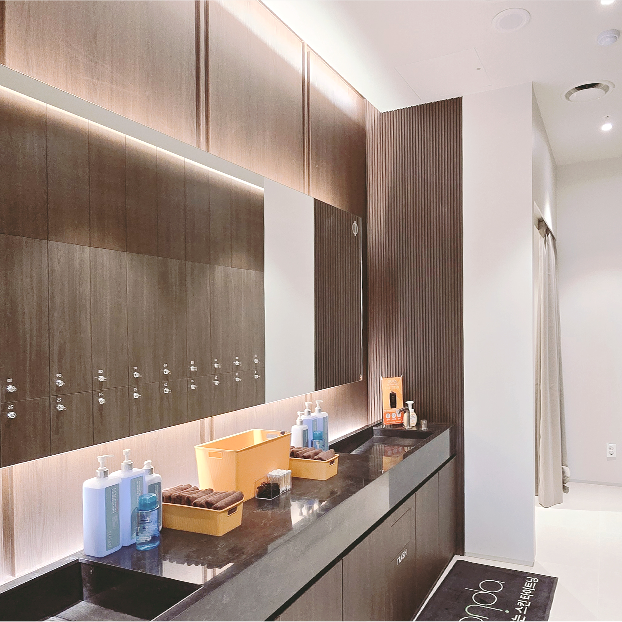
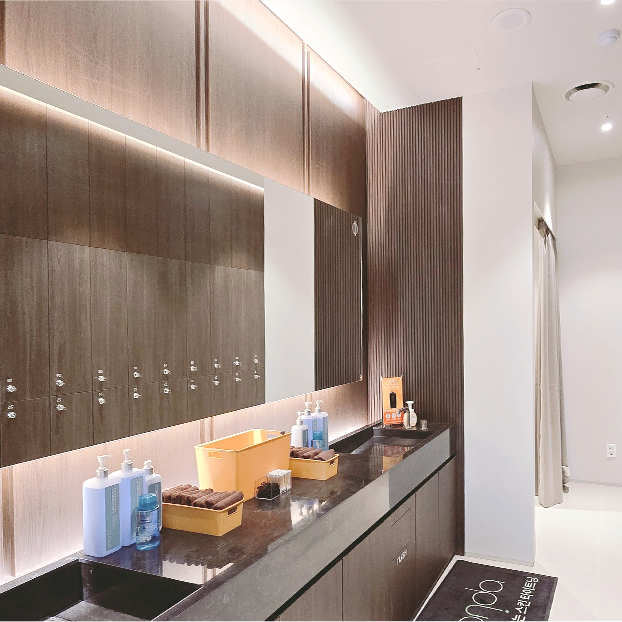
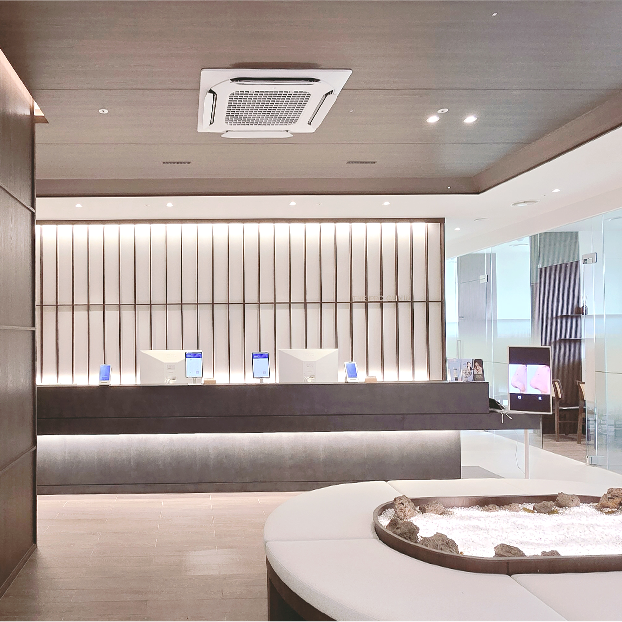
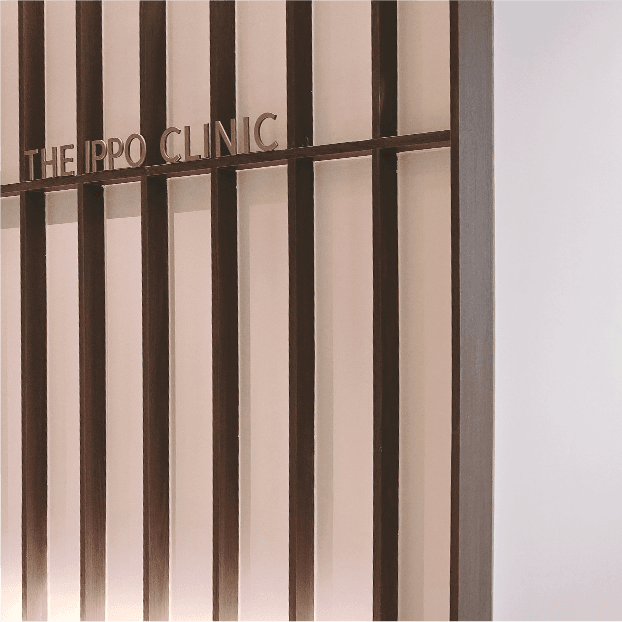
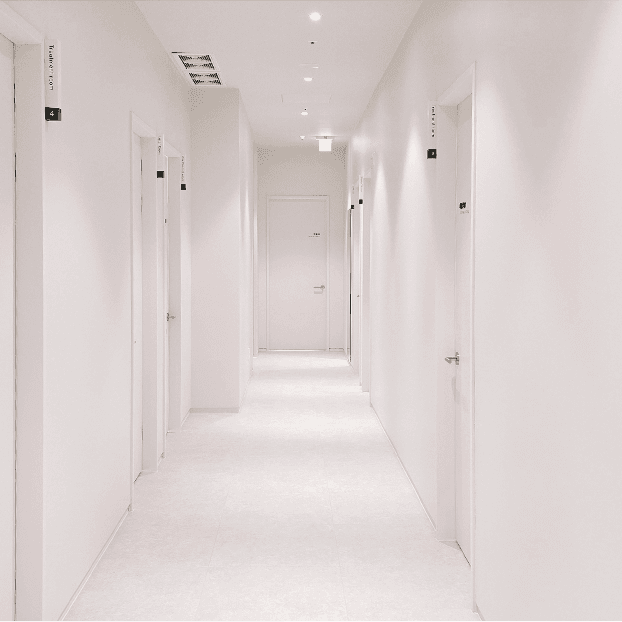
Theippo Dermatology is located on the 3rd floor of No. 80 Doguk-ro, Seocho-gu, Seoul. It is only about a 5-minute walk from Exit 8 of the Sinsa subway station. The exterior of the clinic is unassuming, without any flashy signs. Upon entering, one immediately notices that the space is not large but is extremely clean. The white-colored decor, paired with wooden floors, creates an atmosphere that is professional yet warm and inviting — something that is particularly important to me, as many Dermatology clinics in South Korea have a busy and impersonal feel, like an assembly line in operation. Theippo, however, is nothing like that.
I had made a reservation in advance that day. Upon entering the clinic, the young Korean staff member at the counter quickly confirmed my reservation details and then arranged for me to wait in the consultation room for the director. The examination was conducted personally by the director, who first observed the degree of facial relaxation with the naked eye and then took several pre-operative photos using equipment for record-keeping. The director analyzed the situation in great detail and specifically pointed out that the areas around my mouth and my Double Chin were where the loss of Collagen was most noticeable. She recommended a 600-shot full-face treatment, focusing particularly on strengthening the area at the junction of the lower face and the neck. The entire examination took about 15 minutes, and neither were any other treatments promoted nor was I pressured into increasing the number of shots. I was very satisfied with this experience.
Theipo Radiofrequency Lifting: A Detailed Record of the Actual Experience
🪄
To be honest, I was really scared before doing it. Out of the ten posts on Dcard about the Phoenix Radio treatment, eight of them mentioned “pain,” and someone even wrote that it felt like having their face snapped 600 times by an elastic band—just reading those descriptions made me break out in a cold sweat. But in reality, the experience was much better than I expected. There were three main reasons for this: First, the anesthetic was applied for exactly 40 minutes; second, the doctor’s injection technique was very precise, without any rushed injections to save time; third, the vibration technology of the FLX device really made a difference—it helped reduce the burning sensation, making the treatment much more tolerable compared to the old CPT model.
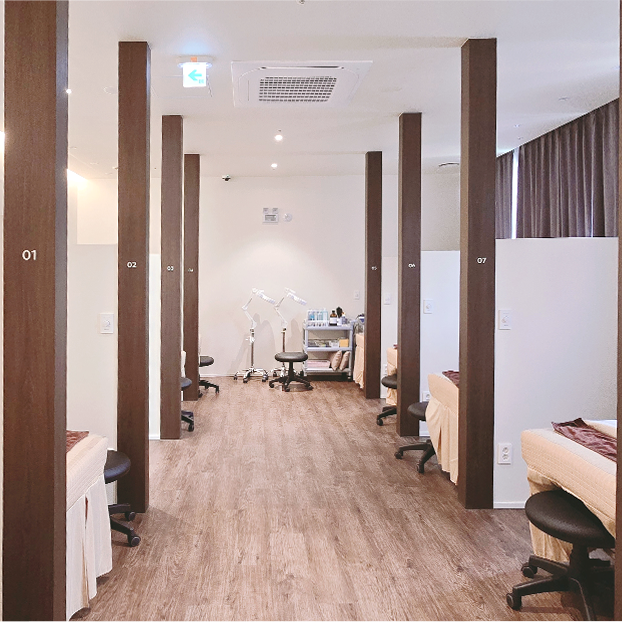
The injection sequence starts from the Forehead and proceeds down to the cheeks, the flesh around the mouth, the Double Chin, and finally the neck. The bones in the area of the Forehead and temples are relatively thin, so the sensation of heat is more pronounced – it’s almost like having a “hot coin pressed against the skin” – but each vibration lasts only about 0.5 seconds before subsiding. Areas with more soft tissue, such as the cheeks and chin, experience only a mild warmth. The most sensitive part is the area near the earline on the lower jaw; during a few sessions, I did indeed frown slightly, but the discomfort was far from unbearable. After 600 injections across the entire face, the treatment takes approximately 50 minutes. Immediately after, the skin becomes noticeably red and slightly swollen, but there is no bleeding or visible injuries, and it’s completely safe to go out immediately afterwards.
All costs are clearly listed: How much does the Thermage FLX full-face treatment cost?
💰
In South Korea, the price range for Thermage FLX treatments is quite wide and mainly depends on three factors: the level of the clinic (high-end specialized clinics versus affordable chain stores), the location (Gangnam or Cheongdam versus Hongdae or Myeongdong), and the number of treatment sessions (300 sessions for targeted areas, 600 sessions for the entire face, or 900 sessions for the entire face plus the neck). Taking the 600-session full-face treatment as an example, the current market price in South Korea ranges from approximately 91.5 million to 92.5 million won (equivalent to around NT$35,000 to NT$58,000), which represents a clear price advantage compared to the prices in Taiwan, which typically range from NT$80,000 to NT$120,000 per treatment.
theippo adopts a transparent pricing model (no extra charges for foreigners, no hidden consultation fees or additional costs). The treatment I opted for at that time was the Thermage FLX full-face treatment, which included 600 treatments, along with a post-treatment soothing mask and a repair essence. Since the specific costs may vary depending on exchange rates and promotional periods, it is recommended to check the latest prices directly through the BeautsGO link below. One thing is for sure: considering the location of the theippo clinic in Sinsa-dong, the fact that the director personally performs the procedures, and the overall quality of the services provided, the cost-performance ratio is definitely among the upper-middle range in South Korea. There is no need to worry about getting substandard treatment just because the price is low.
Postoperative effect timeline: On which day did you start to notice changes?
✨
The Phoenix Radio treatment is not a procedure that produces immediate visible results; it is important to have the right expectations from the start. Immediately after the procedure, there will be a noticeable “immediate contraction effect,” which is due to the Collagen shrinking immediately upon being heated. However, this effect will subside within 3 to 5 days, and then the real results begin to appear. Below is a timeline based on my own experience:
Days 1–3 after the procedure: The slight swelling and redness of the face gradually subside. The skin feels a bit tight to the touch, but there is little visible change in appearance. Days 7–14 after
the procedure: The skin begins to gain a glossy texture; it feels smoother than before, and makeup adheres more smoothly. One month after the proce
dure: The jawline becomes clearer, and the looseness in the Double Chin area decreases significantly. This is the first time period when I noticed real changes. Months 2–3 after the procedure: The re
sults reach their peak! The flesh around the mouth lifts noticeably, and the contours of the face become much sharper. Friends even start to comment, “You seem to have lost weight.” Six months after the procedure: Nearly two
months have passed since the treatment, and the effects continue to improve. It is expected that the results will reach their maximum in three months and last for approximately 1–2 years.
Postoperative care and recovery tips
⚠️
The effectiveness of the post-treatment care after undergoing the Phoenix Radio procedure directly determines how long its results will last. Below is the list of postoperative care steps I personally followed, and each one has proven effective in my experience:
- Do not get the treated area wet within 24 hours after the procedure to prevent infection. You can start washing your face normally the day after, but use warm water and be gentle when doing so.
- In the first week, focus on enhancing skin hydration. Apply a moisturizing mask (a medical-grade mask without fragrance or alcohol) in the morning and evening. Also, apply more essence and cream than usual, as your skin will be drier during this recovery period.
- It is essential to take strict sun protection measures for at least one month. Apply a high-factor sunscreen with an SPF of 50+ and a PA rating of ++++, and make sure to use physical barriers such as hats and umbrellas as well. After the procedure, the skin becomes more sensitive to ultraviolet rays, so inadequate sun protection may lead to darkening of the skin.
- For the first week after the procedure, avoid the following: hot baths, steam saunas, hot spring baths, strenuous exercise, and alcohol consumption. All these can raise your body temperature and cause blood vessels to dilate, thereby interfering with the skin’s recovery process.
- Supplementing with Collagen and Vitamin C – The effect of Phoenix Radio Therapy lies in stimulating the production of one’s own Collagen; therefore, taking Collagen peptides and Vitamin C after the procedure can “multiplier” this effect, acting as an internal supplement to enhance the results.
Suitable and unsuitable groups of people
👭
✅ Suitable candidates for Fenghuang Radio Thermage FLX:
- Ages 25-45, showing signs of early aging and sagging (drooping flesh around the mouth, Double Chin, blurred jawline)
- For those who are afraid of surgery and don’t want to go through a recovery period (with Phoenix Radio, there is almost no recovery time at all; you can go shopping right after the procedure).
- Those who have already undergone HIFU but wish to try a different type of tightening treatment
- Those who experience significant loss of Collagen and wish to take preventive measures against aging
❌ Those who are not suitable for participating in the Phoenix Radio program:
- Pregnant women and lactating mothers (for safety reasons, it is recommended to postpone this).
- Those with metal implants on their face, such as braces or bone screws, should inform their doctor in advance for an assessment.
- I have a constitution that prone to severe cheloid scarring.
- If the treatment area has open wounds or severely inflamed pimples
- Those who expect too quick results (Fenghuang Radio uses a gradual approach; changes don’t happen overnight after the treatment).
Compilation of genuine reviews for Dcard and PTT
⭐
The following reviews are compiled from platforms such as Google Maps, Naver, Dcard, and PTT. They were all shared by real users and are provided for reference only.
🔴Google R
eviews
4.8/5 · 120+ reviews
eviews
4.8/5 · 120+ reviews
“I found this Dermatology clinic near Sinsa-dong and had a Thermage FLX treatment for my whole face. The director was extremely attentive; they used 600 sessions to complete the treatment, which didn’t take any extra time. Two months later, the lines around my jaw were indeed much clearer. I’m very satisfied!”
— A Google user (May 2026)
“There is no problem at all with communicating in English; both the staff at the counter and the director can speak basic English. This was my first time undergoing radiofrequency treatment in South Korea, and the cost was much lower than in Taiwan. Although the results won’t become apparent until a month later, it’s definitely worth it.”
— A Google user (April 2026)
🔵Naver Reviews
“I had 600 sessions of Thermage FLX at the theippo Dermatology clinic in Sinsa-dong. The director performed the treatment himself and did an excellent job controlling the pain. I could definitely notice the lifting effects two months later.”
— Naver Blog (March 2026)
🟣 Reviews of Dcard
“Going to South Korea for the Phoenix Radio treatment is not as scary as I thought! I chose Theippo because they offer Chinese-speaking customer service to help with reservations. What impressed me the most about the whole experience was the price – a full-face treatment in Taiwan costs 80,000 to 100,000 yuan, while in South Korea it’s less than half that amount. The director’s skills are also excellent; after the treatment, there was no burning or blisters at all. I highly recommend it to young women on a budget!”
— Dcard user / South Korea Medical Aesthetics Forum (May 2026)
“Remind all sisters who want to go to Theippo: remember to make a reservation in advance! It seems like they only accept a certain number of customers per day, so showing up without a reservation might result in a wasted trip. Also, after the Phoenix Radio treatment, you won’t see immediate results – it takes about a month for the effects to become visible. So don’t get too anxious if you don’t notice any changes right away, haha.”
— A Dcard user (April 2026)
🟢 PTT Discussions
On the Korea_Travel and facelift boards of PTT, discussions about Sinsa’s theippo mainly focused on the fact that “it offers a high cost-performance ratio but lacks the popularity of larger chain clinics.” Some users shared before-and-after photos taken three months after undergoing treatments at the clinic, showing significant improvements in their Double Chins; others noted that the clinic’s refusal to accept group bookings and its non-conformist approach were positive aspects. However, it was also mentioned that appointments at theipo need to be reserved at least 1–2 weeks in advance, making it difficult to get a spot at short notice. For more detailed discussions, you can search for the Korea_Travel and facelift boards on PTT.
Related recommendations
📌
- Where to get cosmetic treatments near Hongdae? Are the prices at Sinsa Theippo Dermatology really expensive? A comprehensive record of treatment costs for services such as Phoenix Radio Wave, Thermage FLX, and facial lipolysis.
- Up-to-date 2026 price list for ELVIA Dermatology in South Korea: fees for treatments such as Sofwave, Ultherapy, Thermage, and facial lipolysis – all available in one visit.
- The latest price list for Dermatology at OKAY Cheongdam in 2026: Get a one-time overview of the costs for Thermage FLX, facial lipolysis, and neck lifting treatments. Make smart comparisons to avoid wasting money.
- What are the reviews for Cheongdam OKAY Dermatology? Recommended by users on Dcard and PTT – a doctor with 13 years of experience in Thermage and facial lipolysis treatments, offering one-stop solutions for anti-aging treatments.
- Users on Threads asked repeatedly: Why did Phoenix Radio choose South Korea’s Dermatology clinics? This Dcard article highly recommended 10 clinics that received the most recommendations for facial tightening treatments.
Frequently Asked Questions
Q: Is there any difference between the Phoenix Radio therapy offered by Dermatology at Sinsa and that available in Taiwan?
A: All the devices used are genuine Thermage FLX units from the manufacturer, so there is no difference in their effectiveness. The main difference lies in the price: in South Korea, a full-face treatment using 600 pulses costs approximately NT$35,000 to NT$58,000, while in Taiwan, the same treatment costs around NT$80,000 to NT$120,000, representing a price difference of about 40% to 60%. Additionally, at the clinic, the treatments are performed personally by the director himself, rather than being entrusted to nurses or young doctors. This aspect offers greater reliability compared to many clinics in Taiwan. If you are interested, you can make an appointment for a consultation by contacting Hannah972 on WeChat or BeautsGO.
Q: If I go to Theippo for the Phoenix Radio treatment but don’t speak Korean, what should I do?
A: Theippo has a basic level of English communication skills; both the receptionists and the director can have simple conversations in English. Additionally, you can make appointments through the BeautsGO platform, where Chinese-speaking customer service is available to assist with communication. Before you arrive at the clinic, your needs will be translated for you. In reality, language barriers are much smaller than you might imagine, so there’s no need to worry too much.
Q: Which is better, Fenghuang Radio Thermage FLX or HIFU?
A: These two are HIFU devices that work on different principles. The Phoenix Radio Wave (radiofrequency) device acts on the dermis layer, focusing on “toning” and promoting Collagen production; the HIFU device (ultrasonic waves) acts on the SMAS fascia layer, with a primary focus on “tightening.” In simple terms, if you mainly have skin laxity and lack elasticity, choose the Phoenix Radio Wave device; if you have sagging skin or faded contours, choose HIFU. Many people also combine both treatments, with an interval of 3 to 6 months between them, for the most comprehensive results.
Q: How long does it take to recover after undergoing Theippo radiofrequency treatment? Can I fly back to Taiwan right after the procedure?
A: After the procedure, there is only mild redness and slight swelling, which usually subsides within 2 to 3 hours and does not affect flying. I ate normally and went shopping on the same night after the treatment, and there were no issues when I took a flight back to Taiwan the next day. One important thing to note: the cabin is quite dry, so remember to bring a moisturizing spray and skincare products with you and apply them regularly.
Q: How quickly can I see results? How long do the effects last after just one treatment?
A: The immediate effect is approximately 10-15% after the procedure (due to the shrinkage of Collagen when heated). The true lifting effect begins to appear in the 1st to 2nd month and reaches its peak in the 3rd month. The results can last for around 1-2 years. The duration of this effect varies from person to person and is influenced by factors such as age, lifestyle habits (smoking/drinking/sleep patterns), and post-procedure care. Performing the procedure once a year is currently the most common practice for annual anti-aging maintenance.
Or 💬 Make an appointment via WeChat: Hannah972 – our Chinese customer service is available to respond immediately.