CHEONGDAM ANZ’s Dermatology department does charge on the higher side in the Cheongdam/C Gangnam area of Seoul. However, its transparent pricing model—free from hidden sales tactics and unexpected price hikes—makes it easier to plan your budget. Here’s the bottom line: if you want a full-face Thermage FLX treatment, prepare at least ₩1.5 million (around NT$33,000); for a full-face Ulthera treatment, aim for at least ₩1 million (around NT$22,000). If you opt for both treatments together, it’s safest to budget at least ₩3 million (around NT$67,000). This article breaks down the minimum prices, how costs are structured by treatment type, the differences between the American version and Korean/Chinese versions, ways to spot fake clinics, what to expect during the procedure, and the recovery timeline—so you can go in with a clear idea of your budget and avoid being caught off guard by unexpected upsells.
CHEONGDAM ANZ Dermatology’s advanced radio/wave therapy – how much should you budget?
💡
Let’s talk about the costs first: When getting treatments using American-style devices at CHEONGDAM ANZ in Cheongdam, the prices for individual procedures aren’t exactly budget-friendly, but since all fees are clearly listed, you won’t be caught off guard by unexpected charges. Below are the market reference prices for “American-style” devices in the Cheongdam/Gangnam areas of Seoul as of 2026. These are not quotes from specific clinics—actual prices will depend on an on-site assessment. To get the best deal, it’s crucial to first decide what type of treatment you want, where it should be done, and how many sessions are needed. Let’s break down these four key factors for you right away.
📌 Quick Decision: Instant Budget Check
1. US-style Radio Wave Full Face Treatment (600 shots): Starting at ₩1.5 million (approximately NT$33,000)
2. US-style Ultrasound Full Face Treatment (about 300–500 pulses): Starting at ₩1 million (approximately NT$22,000)
3.
Combo Package of Radio Wave + Ultrasound: Starting at ₩3 million (approximately NT$67,000)
4. Bu
ffer Services (pre-operative care + post-operative recovery + transportation): An additional ₩300,000–500,000 for peace of mind
The key is to focus on meeting the minimum requirements rather than aiming for the maximum. Many people think they can get both procedures done with a budget of ₩1 million, only to find at the clinic that there aren’t enough units/threads available and they can only have one procedure, resulting in a wasted trip. It’s simplest to set your budget for both procedures at over ₩3 million right from the start.
✅ Summary: Starting at ₩1.5 million for a single treatment, ₩3 million for two treatments, with an additional ₩300,000–₤500,000 buffer—this is the best budget formula to ensure you get the best results when getting radiofrequency/ultrasound treatments at CHEONGDAM ANZ in Cheongdam. Yet even for the same “radiofrequency” treatment, prices can vary by up to twice depending on the machine model, treatment area, number of sessions, and whether it’s a one-time treatment or a full course. Check out the next four tables for details.

Limited Offer for July 2026 | Summer Special Rates at Cheongdam ANZ Dermatology (Exclusive Discount from Dr. Lee)
🎁
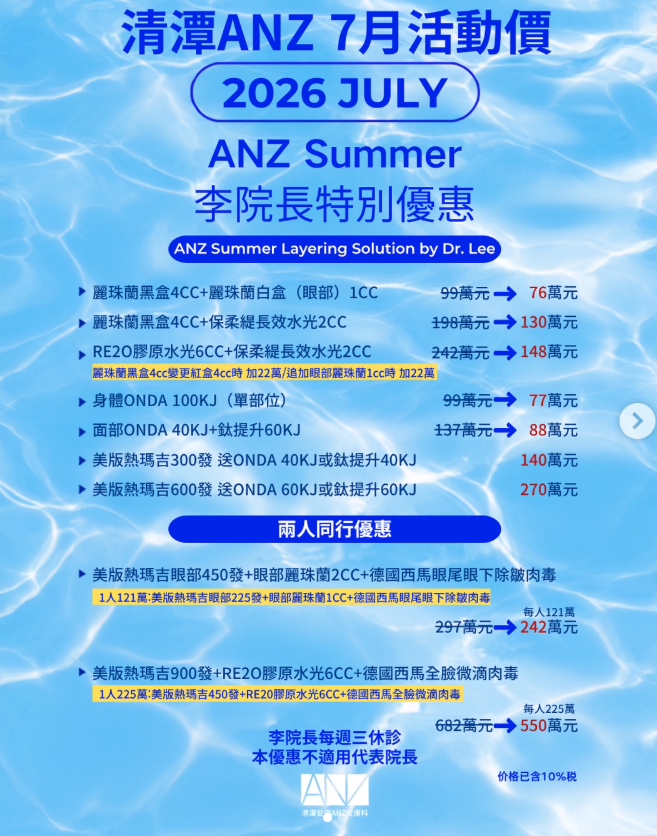
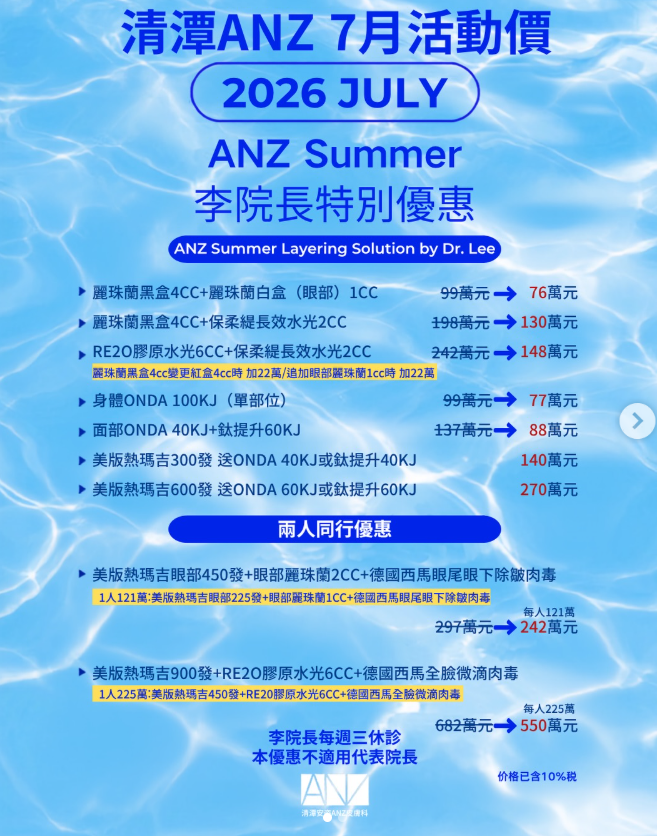
If you’re planning to visit South Korea in July 2026, Cheongdam ANZ has launched the “ANZ Summer Layering Solution” — a limited-time treatment designed specifically for consultations with Dr. Lee. These are the promotional prices for this offer, which already include 10% tax, but **they apply only to treatments performed by Dr. Lee and not to his deputy doctors**. Dr. Lee is off on Wednesdays, so be sure to avoid scheduling appointments during those days. Below, we break down the costs for single-person treatments and those for two people together, so you can see exactly how much you’ll save compared to the regular price.
| Individual Treatment Plan | Original price ₩ | July Special Price ₩ | Notes |
|---|---|---|---|
| Rejuran PN 4CC + IRejuran 1cc (regeneration, fine wrinkle improvement) for eyes | 990,000 | 760,000 | Hydrating Glow + Eye Repair |
| Rejuran PN 4CC + Pro-Xylane Long-Lasting Glow Serum 2CC | 1.98 million | 1.3 million | Black-box upgrade to red-box: 4CC plus 220,000 |
| RE2O Collagen Glow Serum 6CC + Baorou Ti Long-Lasting Glow Serum 2CC | 2.42 million | 1.48 million | Add 1 CC of Rejuran for the eyes plus 220,000 |
| Body ONDA 100KJ (single area) | 990,000 | 770,000 | Single area treatment |
| Facial Onda 40KJ + Titanium Lifting 60KJ | 1.37 million | 880,000 | Lifting + Firming Combo |
| US version: 300 shots of Thermage for Lifting, or ONDA 40KJ/ Titanium Lifting 40KJ | — | 1.4 million | Get ONDA with a purchase / Titanium Lifting |
| US version: 600 shots of Thermage for ONDA 60KJ treatment or Titanium Lifting at 60KJ | — | 2.7 million | Full Face Radiofrequency + Free Add-ons |
| Two-person package | Original price ₩ | July Special Price ₩ | Around per person |
|---|---|---|---|
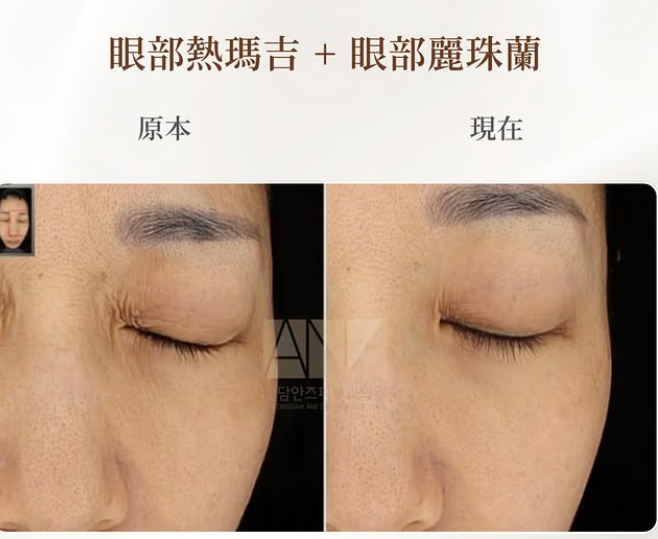
| American Thermage Eye Treatment – 450 shots + Rejuran for the eyes (2CC) + Botox for wrinkle reduction around the eyes and under the eyes from German Sima | 2.97 million | 2.42 million | 1.21 million per person (225 injections + 1 CC + Botox) |
| American Thermage 900 shots + RE2O Collagen Hydrating Treatment 6CC + German Sima Full-Face Micro-Drop Botox | 6.82 million | 5.5 million | 2.25 million per person (450 injections + 3CC hyaluronic acid + microneedling) |
⚠️ Important notes on the July promotional price
1. The prices listed above are reference rates for services available in July 2026. The actual cost will be based on the quote and availability provided by CHEONGDAM ANZ at the clinic.
2
. The prices already include 10% tax, but this offer **applies only to treatments designed by Dr. Lee and is not valid for treatments offered by other doctors**.
3. Dr. Lee is unavailable for consultations on Wednesdays. Please avoid scheduling appointments
on that day.
4. The complimentary services (ONDA/Lifting with Titanium) can be chosen as one of the two options. It’s recommended to confirm what’s available at the time of booking.
✅ Summary: When visiting CHEONGDAM ANZ in July, the most noteworthy packages are “American version Thermage 600 sessions on ONDA/Titanium Lifting at 2.7 million” and “2-person package at 9 million, plus hyaluronic acid injection and Botox at 5.5 million.” In other words, you can get either firming or Lifting treatments at the price of a single radiofrequency session. For those traveling alone, the best option is the package starting at 1.4 million, which includes 300 radiofrequency sessions as a free bonus.
How are prices categorized by “instrument type”? Understand both US and Korean versions in one table
💡
Both are referred to as “radio waves” or “sound waves,” but the version of the device directly determines its price range. CHEONGDAM ANZ focuses on original American-made models (Solta’s Thermage FLX and Merz’s Ulthera), which naturally come at a higher price than Korean or domestic versions. However, there are also differences in probe costs and energy precision. Below, we break down the reference prices for full-face treatments using the four most common devices, so you can understand exactly where the extra cost comes from. The exchange rate is estimated at ₩10,000 ≈ TWD 225.
📌 What this table means is: when you make a reservation at CHEONGDAM ANZ in Cheongdam, if you choose the “US original version,” your budget will fall under the ₩1.5 million range. If your budget is only around ₩800,000, then it corresponds to the Korean version of the device, which isn’t the same as the US version’s promise of no hidden sales tactics—so don’t try to compare them together.
✅ Summary: The first pricing factor is the “machine version” — the U.S.-originated models (Ulthera/Thermage FLX) for full-face treatment start at ₩1.5 million, while the Korean versions (Phenix wave/ similar to HIFU) cost around ₩600,000–1.5 million. Choosing the version first helps you determine your budget right away.
At the ANZ Dermatology clinic in Cheongdam, the same device comes with significantly different prices depending on the treatment area.
💡
Many people assume that “the number of units equals the price,” but in reality, for the same American-made device, the number of units and cost vary depending on whether it’s used for the entire face, eye area, neck, or abdomen. Clinics usually charge based on “area + number of units,” rather than a fixed price. Below are reference prices for common treatment areas based on the original American-made devices, to help you compare and decide which areas you’d like to treat.
| Injection site | Common frequency/number of entries | Reference price ₩ | Book a consultation in TWD |
|---|---|---|---|
| Full face (600 radio waves / 300–500 ultrasound pulses) | Standard Full Face Treatment | ₩1.5–2.5 million | NT$34,000–56,000 |
| Lower face/jawline | Approximately 300 shots per strip | ₩900,000–1.5 million | NT$20,000–34,000 |
| Eye area (450 radio waves) | 450 shots | ₩900,000–1.3 million | NT$20,000–29,000 |
| neck | About 200–300 items | ₩800,000–1.3 million | NT$18,000–29,000 |
| Body (abdomen/arms, radio waves) | 900–1200 shots | ₩1.8–3 million | NT$40,000–68,000 |
📌 Key tip: Treating the lower face and neck together is a popular “contour restoration” option for many women over 30. The estimated cost ranges from ₩1.7 million to ₩2.8 million. If you only opt for treatment around the eyes, the budget starts at ₩9 million and it’s most effective at reducing puffy eyes. First, identify the areas that concern you the most, and base your budget accordingly.
✅ Summary: The second factor affecting price is the treatment area — the whole face is the most expensive (starting at ₩1.5 million), the eye area/neck is the most affordable entry point (₩800,000–1.3 million), and the body treatments are the most costly (starting at ₩1.8 million). If you have a limited budget, start with just one area instead of going for a full-face treatment right away.
How are the prices calculated based on “quantity per order” and “per session”?
💡
The U.S. version of these devices is sold based on the number of shots or treatments, and this is often the price factor that gets overlooked. For example, with full-face ultrasound therapy, the price difference between 300 shots and 600 shots is significant; similarly, for radiofrequency treatment, 450 shots (for the eye area) cost differently from 600 shots (for the entire face). Below, we break down the common shot packages as well as the options between one-time treatments and series of treatments.
| Solution | Explanation | Reference price ₩ |
|---|---|---|
| US Version Ultrasound – 300 Patches | Local Introduction | ₩900,000–1.3 million |
| US Version Ultrasound – 600 Sessions | Full Face Standard | ₩1.5–2.2 million |
| US Version Ultrasound: 900+ sessions | Full Face + Neck/Enhanced Version | ₩2.2–3 million |
| Beauty Wave 450 shots (around eyes) | localized area | ₩900,000–1.3 million |
| Beauty Wave 600 shots (full face) | Standard | ₩1.5–2.2 million |
| 3 sessions of the same treatment program | Package Price | Per session × 2.5–2.7 |
📌 Cost breakdown for treatment packages: A single full-face ultrasound treatment costs ₩1.5 million. If you purchase 3 sessions, the price is usually “single-session price × 2.5–2.7,” totaling around ₩3.75–4.05 million—about 30% cheaper per session compared to buying them individually. If you plan to have 1–2 maintenance treatments per year, check with CHEONGDAM ANZ first to see if they offer any current package deals, which can be more cost-effective.
✅ Summary: The third pricing factor is “number of sessions and treatments” — for ultrasound therapy, the price increases in steps from 300 to 600 to 900 sessions. For radiofrequency therapy, 450 sessions for the eye area are cheaper than 600 sessions for the whole face. If you’re looking for long-term maintenance, consider package deals, as they offer better cost per session.
How to get the best deal on the dual-package deals at Cheongdam ANZ Dermatology?
💡
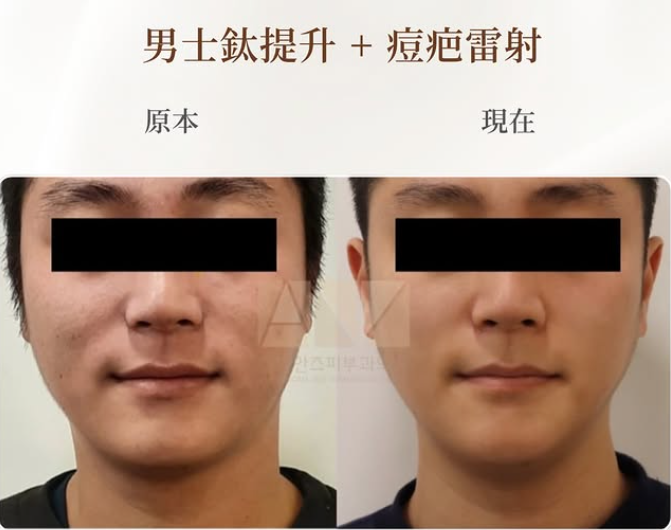
CHEONGDAM ANZ’s signature treatment is the “radio wave + HIFU layered therapy”: radio waves help tighten the skin, while HIFU shapes the facial contours. Using both together delivers the most comprehensive results, though the cost is the sum of both treatments. Below are the typical combinations along with reference prices for purchasing them individually versus as a package, so you can have an idea of how much to budget for this dual-treatment option.
📌 Practical tips for managing a dual-budget approach: If it’s your first time and your budget is around ₩3 million, opt for the “RF full-face treatment + ultrasound treatment for the lower face” package. This allows you to experience the layered treatment effects without exceeding your budget. Once you return to Taiwan to see the results and decide to continue with further treatments, you can then add a full-face ultrasound treatment or purchase additional treatment packages. CHEONGDAM ANZ’s transparent pricing system makes it ideal for this step-by-step approach, ensuring you’re not pressured to buy everything at once.
✅ Summary: The fourth factor affecting price is “package options” — full-face treatment combining radio waves and ultrasound starts at ₩3 million, while partial treatments start at ₩2 million. If your budget is limited, consider starting with partial or single treatments first, and take advantage of CHEONGDAM ANZ’s approach of not pushing aggressive sales to achieve your goals step by step.
US version radio waves vs US version sound waves: there’s a huge difference in the depth of action they provide.
💡
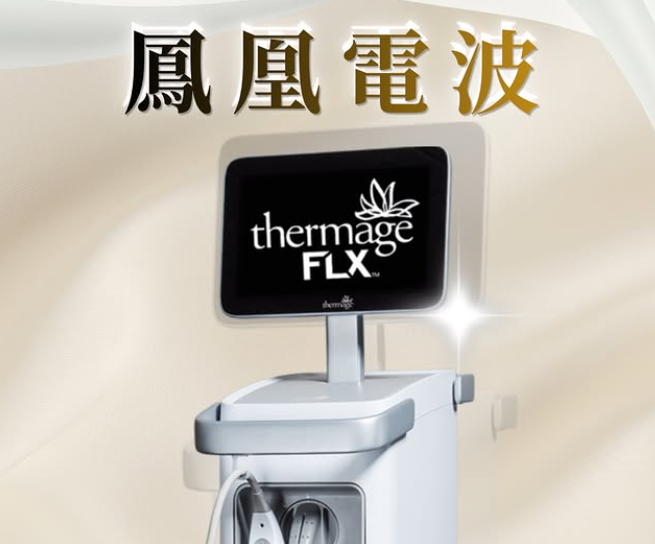
It’s important to understand the underlying principles first, so you won’t be misled by the idea that “radio waves and ultrasound are the same.” The American version of radio wave therapy (Thermage FLX) uses monopolar radio frequency, with energy delivered to both the dermis and subcutaneous fat layers, aiming to improve skin firmness, reduce Pores, and even out skin tone. On the other hand, the American version of ultrasound therapy (Ulthera) employs focused ultrasound (HIFU), delivering energy precisely to the SMAS fascia layer to lift facial contours and restore a defined jawline.
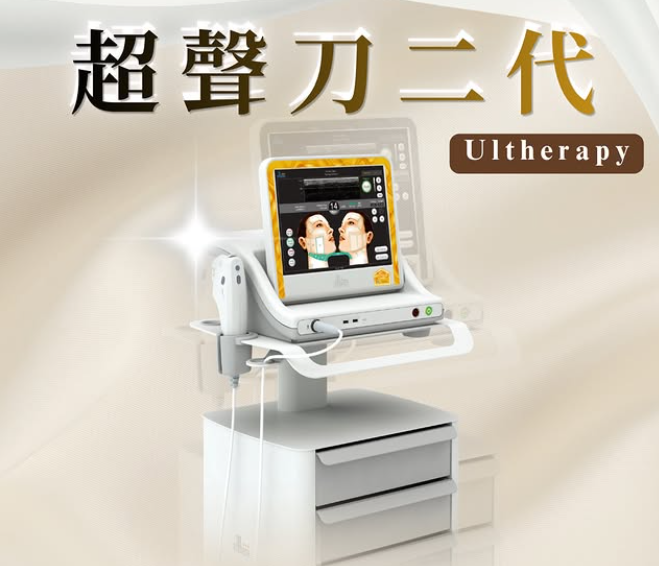
In short: Radiofrequency therapy helps improve skin texture and tighten the face, while ultrasound therapy lifts facial contours. They don’t replace each other but complement one another. For those over 30 who suffer from both sagging and drooping skin, doctors often recommend using radiofrequency and ultrasound treatments in combination—this is why the total cost for these two procedures starts at around ₩3 million.
📌 Keep it clear in one table
1. American version of radio waves: Monopolar RF → dermis/subcutaneous layer → improves skin firmness, reduces Pores, and evenens skin tone
.
2. American version of ultrasound: Focused ultrasound → SMAS fascia layer → lifts facial contours and defines the jawline.
3. The ideal c
ombination: Use radio waves to tighten the skin and ultrasound to lift it, delivering the most comprehensive results through layered treatment.
✅ Summary: Choose radio frequency therapy if you want to improve skin firmness, and choose ultrasound therapy if you want to address sagging contours. If you need both, plan for a budget for both treatments—don’t rely on the price of one treatment to estimate the results of both.
Why does CHEONGDAM ANZ charge high fees without any hidden sales tactics?
🏥
“High fees” and “no sales pressure” are actually two sides of the same coin. CHEONGDAM ANZ uses original American-made equipment, with disposable probes (each probe costing hundreds of thousands of won). Coupled with the time required for in-person evaluation by qualified doctors, the price naturally ends up being higher compared to clinics that use Korean or Chinese-made machines and operate on a mass-production basis. The high cost stems from both the hardware and the skilled staff.
What truly sets it apart with “no hidden sales tactics” is that the pre-operative quote is given in full right from the start—there’s no waiting until the anesthesia takes effect before being told you need to add a repair course. They won’t suddenly change your originally scheduled treatment to a more expensive one, nor will they pressure you by saying, “If you don’t decide today, you might lose this discount.” This is great for those who are careful with their budget—you know exactly how much you’ll be spending from the beginning.
📌 3 reasons why it’s pricey but worth it
1. Genuine disposable probes – clear cost breakdown included.
2. Pe
rsonal consultation by a qualified doctor, no rush-through procedures
.
3. Transparent pricing before the procedure; no unexpected charges or forced sales on site.
✅ Summary: The “high cost” at CHEONGDAM ANZ comes from transparent premium pricing, not hidden extra charges; with a well-planned budget, it’s actually less likely to result in overspending compared to clinics with lower prices.
How to tell real from fake US versions of radio wave/ultrasonic devices? 3 quick checks you can do on the spot
⚠️
When going to South Korea for treatment using American-made devices, the biggest concern is running into fake versions labeled as “Korean versions” or “Chinese versions” that are actually nothing but low-quality imitations. The genuine American version of radiofrequency therapy is Solta Medical’s Thermage FLX, while the genuine American version of ultrasound therapy is Ulthera (Ultherapy). Both come with original anti-counterfeiting mechanisms that can be verified in just two minutes on-site.
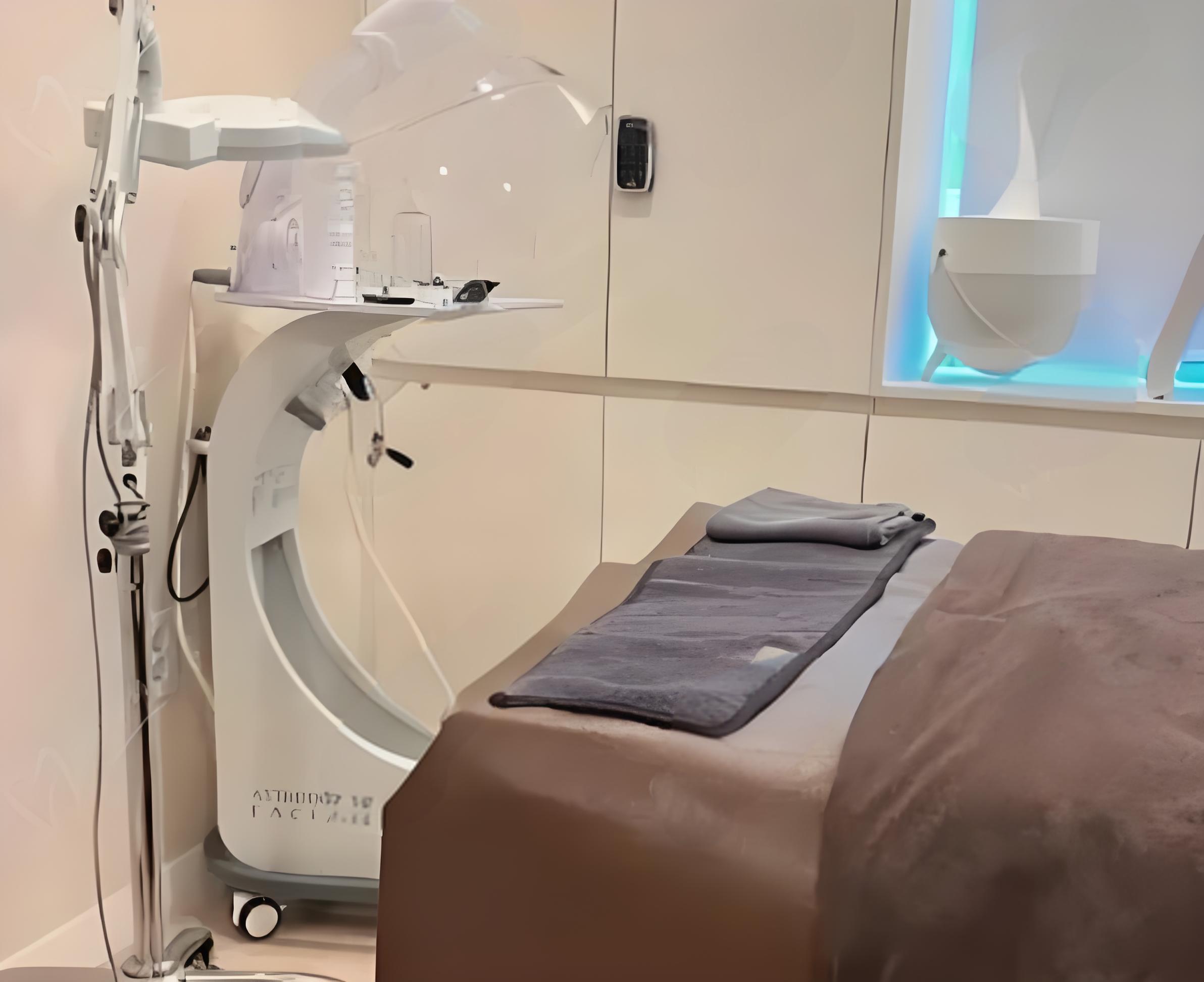
First, check the screen: Genuine devices display real-time information such as “number of sessions/units” and remaining quantity during treatment, with these figures decreasing as treatment progresses—unlike static stickers. Second, examine the probe: The U.S.-version probes come in sealed disposable packages with barcodes that can be scanned to verify they are brand new on the spot. Third, look at the model name: The device must be either the Thermage FLX or Ulthera model, not some vague labels like “Korean version” or “domestic version.”
⚠️ 3 verification steps on-site
1. Real-time display of the number of pulses/shots delivered; the count decreases as tre
atments are performed.
2. The probe is designed to be single-use and sealed, allowing custome
rs to request a barcode scan on-site to verify its freshness.
3. The device must be either the Thermage FLX or Ulthera model—no “Korean version/ domestic version” allowed.
✅ Summary: At reputable clinics like CHEONGDAM ANZ in Cheongdam, you’re usually welcome to check these three aspects in person. If the staff avoids it or refuses to show you the screen, that’s a clear sign that you should walk away no matter how low your budget is. For more insights on how to tell, take a look at the firsthand tests of new probes conducted at South Korea’s T-Up Clinic for ultrasound and radiofrequency treatments.
Real Feel During the Aesthetic Radiofrequency Treatment at CHEONGDAM ANZ Dermatology in Cheongdam
✨
The pain from radiofrequency treatment is highly correlated with the specific area treated. At CHEONGDAM ANZ, an anesthetic patch is applied for about 30–40 minutes before the procedure. Areas such as the Forehead, cheekbones, and protruding parts of the jawbone will experience a noticeable sensation of stinging combined with warmth. However, the doctor will use a cold spray to relieve the heat, and most patients describe the pain as something that’s tolerable but enough to make them frown—nothing severe enough to make them cry.
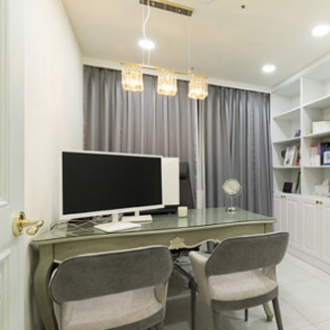
For a full-face treatment using 600 units, the procedure usually takes around 40–60 minutes. During the session, the doctor will check how you feel and adjust the energy level as they work, rather than just pressing the device against your face and leaving. Right after the treatment, your face will turn red and feel warm, similar to sunburn. The redness fades within 2–3 hours, and you can apply makeup to cover it right away—so it’s not something that prevents you from seeing people.
✨ Key Features of Radio Frequency Body Therapy
1. The numbing treatment takes 30–40 minutes; the stinging sensation is most noticeable at the bone areas, which can be relieved with co
ld spray.
2. A full-face treatment with 600 shots lasts about 40–60 minutes, during which the doctor adjusts the energy level
as needed.
3. Redness and warmth subside within 2–3 hours after the procedure, allowing you to apply makeup on the same day.
✅ Summary: The radio wave treatment causes pain that’s “noticeable but not unbearable.” Even if it’s outside your budget, set aside half a day for numbing, the procedure itself, and reducing redness — don’t schedule too many things back-to-back.
Real Feel During the Advanced Ultrasound Treatment at CHEONGDAM ANZ Dermatology in Cheongdam
✨
The pain from ultrasound is more “intense” compared to radio waves. Since the energy targets the fascial layer, there’s a brief “stingy” sensation along the cheekbones, jawline, and temples, often accompanied by a tingling feeling. Some people describe it as it being like an “eraser hitting the bone.” CHEONGDAM ANZ typically prescribes oral pain relievers or topical anesthetics depending on the situation, to keep discomfort within an acceptable level.
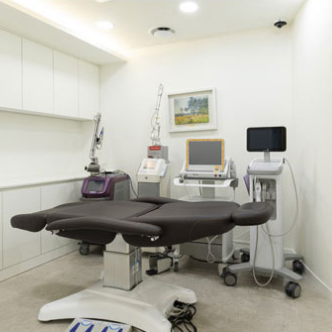
For a full-face treatment involving around 300–500 injections, the time required is shorter than that of radiofrequency therapy, at approximately 30–45 minutes. Unlike radiofrequency, ultrasound therapy results in less swelling after treatment—most people experience only mild redness. However, the “internal tightening” effect develops gradually, and changes may not be visible right away. It’s important to be prepared for this, so as not to get disappointed upon looking in the mirror right after the procedure and thinking it wasn’t effective.
✨ Key Features of Ultrasonic Body Therapy
1. A brief tingling sensation is felt at the bone sites, which can be alleviated with pain relief or topical anesthe
sia.
2. Treatment for the entire face involves 300–500 sessions, taking about 30–45 minutes—faster than radiofrequency ther
apy.
3. Slight redness may occur after the procedure, but visible results take 2–3 months to appear; no changes are noticeable right away.
✅ Summary: Ultrasound therapy delivers pain at the target area with redness on the surface—it’s suitable for those who can tolerate brief discomfort and are willing to wait for gradual results; those hoping to see changes immediately may be disappointed.
Post-procedure Care and Results Timeline (Radio Waves + Ultrasound)
📌
Post-surgery care directly determines how long the results will last. Both radiofrequency and ultrasound therapies fall under the “collagen regeneration” category, with the key points being “avoid skin inflammation, stay out of the sun, and keep the skin well-hydrated.” By following the checklist below, you can maximize the impact of your investment.
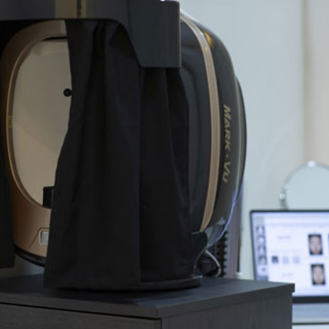
1. Avoid saunas, ovens, hot yoga, and excessive sun exposure for one week after the procedure—heat can worsen inflammation. 2. Strengthen moisturization and use SPF 50+ sunscreen, as these two weeks are crucial for collagen regeneration. 3. Do not massage your face vigorously within a week after the ultrasound treatment to prevent affecting the direction of fascia contraction. 4. Use gentle cleansing products during the first three days, and pause using acids and exfoliants. 5. You may use repair masks recommended by your doctor, but avoid applying unknown products on top of them.
📌 Timeline of Results
1. Radiofrequency: Results start to show in about 1 month, peak at 3 months, and last for around 1–2 years.
2. Ultrasound: Visible effects appear in about 2–3 months, stabilize after 6 months, and last approximately 1–1.5 years
.
3. Combining both treatments: Effects stack up, but the timing isn’t synchronized—don’t rush to judge the results.
✅ Summary: Avoiding sun exposure, heat, and massage for one week after the procedure is key to achieving the best results. The time saved on post-procedure care translates directly into a few extra months without having to maintain the results on your face.
CHEONGDAM ANZ Dermatology’s RF/Ultrasound Treatments: Who Is It Suitable For and Who Is Not?
👭
It’s not just a matter of having enough budget. Below is a comparison table to help you quickly determine which category you fall into, reducing the chances of making a wasted trip.
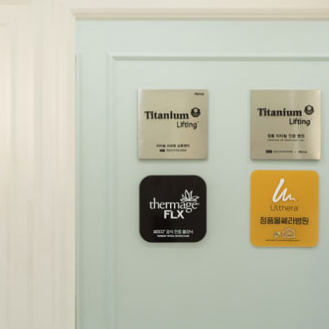
✅ Summary: Those with a sufficient budget, who prioritize authentic products, are willing to wait for results, and are committed to proper aftercare are the ideal clients for CHEONGDAM ANZ. If you’re looking for a cheaper option, want immediate results, and don’t care about the origin of the equipment, then this clinic isn’t right for you—don’t force yourself to try it.
Tips for Getting Korean-style Radio/Wave Therapy – Booking and Budget Planning Advice
📱
Finally, connect “cost” with the “procedure”. When visiting clinics in Cheongdam such as CHEONGDAM ANZ or those located in Gangnam, it’s recommended to seek online consultation in Chinese before you go. Clearly explain the procedures you want to have done and your budget, so the clinic can provide an assessment and a price range. This way, you won’t waste time making the trip only to find the cost doesn’t match what you expected.
When planning your budget, in addition to the cost of the treatment itself, be sure to include “pre-operative care + post-operative recovery + round-trip transportation and accommodation.” It’s recommended to set aside an additional ₩300,000–500,000 as a buffer. For easier estimation, use the rate of ₩10,000 ≈ TWD 225. You also need to factor in foreign transaction fees when using credit cards, as well as any additional costs after tax refunds are deducted, so that there’s no big gap between the listed treatment price and the actual amount you’ll have to pay.
📱 3 Steps to Booking and Budgeting
1. Consult in Chinese online before departure to get an estimated price range
first.
2. Total cost = treatment fee + recovery period costs + transportation fees; add a buffer of ₩3
00,000–500,000.
3. The exchange rate is approximately ₩10,000 = NT$225, including fees and actual payment amounts.
✅ Summary: By moving up your appointment schedule, accounting for necessary buffers, and factoring in the exchange rate, getting a radio wave/Titanium Lifting treatment at CHEONGDAM ANZ in Cheongdam is a worthwhile beauty experience that offers great value and peace of mind. For more detailed insights into radio wave treatments in South Korea, check out Day Beau’s in-depth review of their Gangnam branch. If you want to know how much money to prepare for radio wave treatments, refer to DICARAT’s accurate price list.
Frequently Asked Questions FAQ
Q: For the radio wave/ultrasonic treatments at CHEONGDAM ANZ Dermatology in Cheongdam, what’s the minimum budget needed to ensure the visit isn’t a waste of time?
A: The most reliable option starts at ₩1.5 million (about NT$33,000) for a single treatment, and ₩3 million (about NT$67,000) for two treatments. Adding an additional ₩300,000–₤500,000 covers repairs and travel costs. Below this amount, it’s likely only possible to have a single treatment or an insufficient number of sessions.
Q: Which dimension results in the biggest price difference among the different “types”?
A: First is the machine version—original U.S. models (Ulthera/Thermage FLX) for the entire face start at around ₩1.5 million, while Korean versions (Phoenix Radio/Wave-like HIFU) cost roughly ₩600,000 to ₩1.5 million, nearly double the price difference. Second is the treatment area and number of sessions; treating the whole face is significantly more expensive than just the eye area or neck. Determining the machine version and treatment area first will help you set a clear budget.
Q: Do the American version of radio waves and the American version of ultrasound have to be done together?
A: Not necessarily. Radio wave therapy tightens the skin, while ultrasound therapy lifts facial contours—these two methods complement each other. If your budget is limited, start with the issue that concerns you the most. If you’re dealing with both sagging and loss of firmness, treating them simultaneously in a layered approach yields the best results, but you’ll need to set aside at least ₩3 million for both treatments.
Q: How can I be sure that CHEONGDAM ANZ uses genuine American-made machines?
A: Three actions need to be done on-site: check the screen for real-time counts of treatments per session, verify the barcode of the probe used, and confirm that the device model is either Thermage FLX or Ulthera. Reputable clinics are always happy to allow you to check these in person—if they avoid showing them, it’s a red flag that should raise your alert.
Q: How soon after the procedure can I return to work and wear makeup?
A: After radio wave treatment, redness and warmth subside within 2–3 hours, and makeup can be applied on the same day. With ultrasound treatment, there’s usually only mild redness that fades almost completely by the next day. Avoid saunas, hot environments, and vigorous facial massage for a week—work is generally not affected.
Q: How long does the effect last, and is it necessary to keep getting treatments?
A: The effect of radio waves lasts around 1–2 years, while that of ultrasound lasts about 1–1.5 years. When both treatments are done together, their effects stack up, but they don’t occur at the same time. Most people only need to have the treatment once a year—there’s no need for frequent sessions. The key to maintaining the results is proper sun protection and moisturization after the procedure.
Or
ese customer service responds instantly
💬 Book via WeChat: Hannah972
Chin
ese customer service responds instantly
Related Recommendations
📌
- First-hand experience with Korean-style ultrasound/Lifting treatments! Visiting Day Beau’s Gangnam branch: an incredibly comprehensive range of devices
- How much money should you bring to get a Phoenix radio wave treatment in South Korea? The actual price list at Sinsa’s DICARAT Dermatology
- Reviews of T-Up Clinic in South Korea: You can ask to check the brand-new probes in person when getting ultrasound/radio wave treatments
- Actual price check for ANEW VA Dermatology: HIFU costs less than 10,000 yuan!
- Full Price List for Dermatology Services at Jd Dermatology in Sinsa, South Korea in 2026! Read this before you go!