Taking a flight to South Korea for photorejuvenation treatments can save you 30%–55% compared to doing them in Taiwan. However, it’s only worthwhile for “high-cost lifting procedures combined with multiple treatments in one session”; for lower-cost basic maintenance treatments, it’s actually more convenient to get them done in Taiwan. Take ReOne Dermatology in Cheongdam District as an example — for flagship devices like Thermage, Ulthrea, and Sofwave, the total cost including flights and accommodation still typically saves patients 15,000–30,000 New Taiwan Dollars compared to having the treatments done separately in Taiwan. This article uses the latest prices from 2026 to outline the costs of popular photorejuvenation treatments in both Taiwan and South Korea, along with a practical decision-making checklist you can use right away.
Let’s get to the bottom line first: whether it’s worth flying to Seoul depends on “what you plan to do” and “how many procedures you’ll have done at once.” Not all treatments require a trip to Seoul. Below, we’ve provided a table and a checklist to help you decide in just 30 seconds whether you should book a flight.
ReOne Dermatology in South Korea: Is the price for phototherapy worth the trip?
💡
To get straight to the point—the cost of undergoing photorejuvenation treatments in South Korea depends on both the price per treatment and how many procedures are done at once. Not all treatments are worth the trip. High-cost lifting devices such as Thermage, HIFU, and Sofwave are generally more than 30% cheaper in South Korea compared to Taiwan, and doing two or three procedures there is usually enough to cover the costs of flight and accommodation. On the other hand, for lower-cost basic treatments like hydrafacial and skin resurfacing, the price difference between the two regions isn’t significant, so it’s actually more time-efficient to have them done in Taiwan.
It’s easiest to categorize the decision-making logic into three types. The first category consists of high-cost lifting treatments, where South Korea has a significant advantage. The second category includes mid-cost laser therapies, which are worth trying if you happen to be on vacation there. The third category covers low-cost basic maintenance treatments, which are most convenient to undergo locally. The price breakdown at the end of this article is organized according to these three categories, so you can easily match them with your needs.
📌 Key takeaways:
1. High-c
ost lifting treatments (Thermage/HIFU/Sofwave): You can save 30–55% in South Korea, making it worth the trip.
2. Mid-cost laser treatments (Pico/Laser
Resurfacing): Savings of 40–55% are available in South Korea, but it’s not as cost-effective if you’re there just for tourism.
3. Low-cos
t basic treatments (Hydrafacial/skin resurfacing): The price difference is minimal; getting these done in Taiwan saves more time.

What is a “glow treatment”? Where does the price difference between ReOne in Taiwan and South Korea come from?
📌
“Photonic treatments” refer to procedures that utilize “glow” or “electrical energy (RF/Ultrasound)” to treat the skin. These include laser-based methods such as Pico lasers, skin cleansing lasers, dye lasers, and shuttle lasers, as well as device-based therapies like Thermage, HIFU, Sofwave, and INMODE. What they all have in common is that they require no surgery, and their costs are determined by the original equipment and probe consumables used. As a result, the “cost of purchasing the equipment” and the “clinic’s profit margin” ultimately determine the final selling price—this is precisely what causes the price difference between Taiwan and South Korea.
The price gap stems from five key structural factors. First, South Korea serves as the Asian headquarters for medical device manufacturers, resulting in a very high density of cosmetic clinics that compete fiercely with one another, thereby driving down final prices through competition. Second, most medical devices used in Taiwan are imported, adding costs such as tariffs, shipping fees, and agent markups. Third, clinic rental costs and labor expenses in Taiwan are relatively high. Fourth, South Korea’s tourism-based cosmetic industry relies on attracting foreign clients with affordable treatment packages. Fifth, exchange rates and tax refunds further reduce the actual cost for international patients. It is the combination of these five factors that leads to price differences of over Samseong.
📌 Key points:
1. Photorejuvenatio
n refers to treatments that combine lasers with radiofrequency/ultrasound devices, with prices determined by both the equipment itself and the consumables like probes.
2.
The highly competitive medical aesthetics market in South Korea, along with proximity to manufacturers, is the main reason why e
nd prices remain low.
3. In Taiwan, additional costs such as tariffs, rent, staffing expenses, and agent fees raise the overall price per treatment.
Comprehensive Price Comparison Table of Popular Aesthetic Procedures in Taiwan and South Korea (Latest 2026 Rates)
💰
Here are the reference pricing trends for the two markets in 2026: Prices in South Korea are based on the publicly listed rates and consultation ranges at dermatology and cosmetic clinics in areas such as Gangnam and Cheongdam in Seoul, while prices in Taiwan come from the quotes provided by cosmetic clinics and Dermatology departments. The exchange rate used is approximately ₩10,000 = NT$225. Actual prices may vary depending on the procedure, treatment area, current promotions, and exchange rates, and are provided solely for reference in making decisions.
🧴 Anti-aging lifting products (largest price difference)
🧴 Laser Skin Treatment Products

🧴 Firming Body Sculpting Products
🧴 Basic care products (lowest price difference)
📌 Key Takeaways:
1. Fillers a
nd laser treatments offer the biggest cost savings (30–55%), making them the top choices for those traveling to Korea for cosmetic pro
cedures.
2. Body sculpting options such as cryolipolysis and INMODE can result in savings of over 50%, with exceptionally favorable value for money.
3. Basic skinc
are treatments have the smallest price differences, so they aren’t worth the special trip just for them.
How to Choose Among These Three Budget Options: A Guide to Glow Treatment Packages in South Korea
🎯
After checking out the price list above, if you’re still unsure about how to choose, we’ve categorized options into three budget ranges below—just match yours accordingly.
Budget
-friendly entry l
evel
₩300,000 – ₩600,000
(Approx. NT$6,800 – NT$13,500)
-friendly entry l
evel
₩300,000 – ₩600,000
(Approx. NT$6,800 – NT$13,500)
Perfect for those flying to Seoulcheil for the first time and just want to test the waters: opt for 1–2 low-to-mid priced laser treatments while taking advantage of shopping and sightseeing opportunities, with the savings covering part of your travel expenses.
- Pico laser – eliminates spots and purifies skin in just one treatment, priced at 150,000–300,000 KRW
- Pure Skin/Black Face Doll – The perfect entry-level product for brightening skin, priced at 80,000–180,000 KRW
- Hydrafacial — Deep cleansing with hydration, ₩800,000–1500,000
Advance
d Anti-Aging Treatment
₩1.2 million – ₩2.5 million
(Approximately NT$27,000 – NT$56,000)
d Anti-Aging Treatment
₩1.2 million – ₩2.5 million
(Approximately NT$27,000 – NT$56,000)
Perfect for those over 30 who want to seriously combat aging: A single treatment combining lifting and laser therapy saves enough money to offset the cost of a vacation—essentially a “free trip.”
- Thermage 600 shots — Full-face tightening, ₩1.5–2.2 million
- Ulthrea – Contour Lifting, ₩800,000–1.5 million
- Pico finishing treatment — Smoother skin texture, ₩150,000–300,000
Premiu
m All-You-Can-Eat Mea
l
₩3 million – ₩5 million
(Approx. NT$68,000 – NT$110,000)
m All-You-Can-Eat Mea
l
₩3 million – ₩5 million
(Approx. NT$68,000 – NT$110,000)
Perfect for those who want a one-stop solution and have a generous budget: the full package of lifting, body sculpting, and laser treatment can save 50,000–100,000 New Taiwan Dollars compared to similar services in Taiwan.
- Thermage + HIFU — Dual-layer lifting, ₩2.3–3.7 million
- Sofwave – Eye and Jaw Contouring Treatment, ₩900,000–1.6 million
- INMODE Body Sculpting — Contour Definition, ₩400,000–800,000
What is the positioning of ReOne Dermatology? Why is it so highly discussed in Cheongdam-dong?
🏥
ReOne Dermatology (re:one clinic, in Korean 리원피부과의원) is located at the SGF Cheongdam Tower in Cheongdam-dong, Gangnam-gu, Seoul. It’s a medical aesthetics clinic renowned in the Cheongdam area for its focus on advanced equipment-based treatments. Unlike traditional Korean dermatology practices that emphasize injections and fillers, this clinic prioritizes cutting-edge photonic devices such as Thermage, Ulthrea, Sofwave, and INMODE. Additionally, it offers services in Chinese, making it a top choice for many tourists from Taiwan and Hong Kong. The clinic is headed by Dr. Moon Jung-yoon, and its staff includes attending physicians and nursing teams. It places a strong emphasis on one-on-one consultations prior to any treatment.
📌 5 Key Advantages of ReOne:
1. Prime Location: Situated in the SGF Towe
r in Cheongdam-dong, it’s conveniently close to Cheongdam Station, making it ideal for shopping and dining.
2. Chinese-Speaking
Service: Staff at the front desk and consultation areas speak Chinese, ensuring seamless communication.
3. Top-Tier Equipment: Equipped with state-of-the-art devices such as Thermage, HIFU, Sofwave, and INMODE.
4. Personalized Consultations: Doc
tors conduct individual assessments before treatment, avoiding mass-produced procedures.
5. Tourist-Friendly: Par
king assistance is available, and some treatments require no recovery time, allowing you to continue your day’s plans right away.
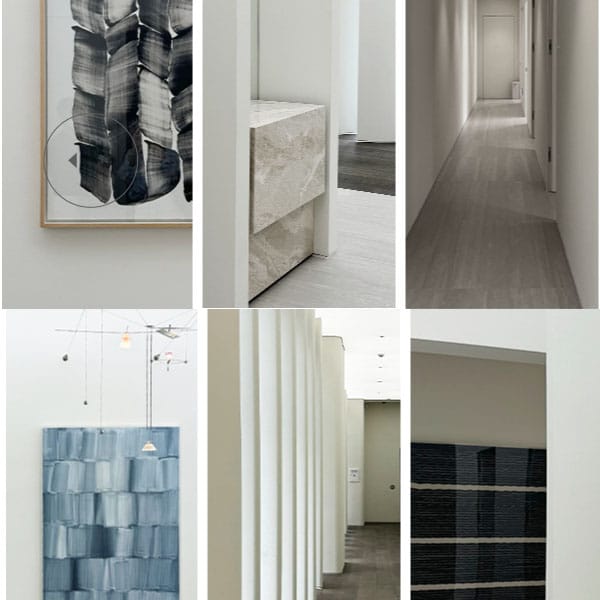
If you’re also considering the Pico treatment options at Barog Dermatology in Gangnam, Seoul, or KATE Dermatology in Hongdae, you can put them side by side in a comparison table. ReOne excels in its lifting devices, while the other two clinics offer injections or laser treatments—depending on what issue you’d like to address.
Real Experience of Getting Photorejuvenation at ReOne in South Korea and the Post-Procedure Timeline
🫧
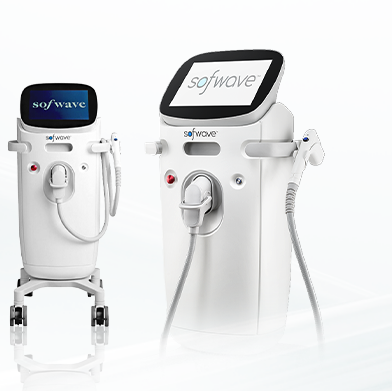
The sensation varies depending on the treatment. To be honest: during Thermage treatment, you’ll feel “waves of heat,” with more intense burning sensations in areas with higher energy levels such as the cheekbones and jawline. Most people can tolerate this pain, and cold sprays are used to relieve discomfort during the procedure. Ulthrea causes a “deep ache combined with a tingling sensation,” focused in the fascial layer. The pain is more intense but shorter-lasting compared to Thermage. Sofwave feels like a “warm massage,” with mostly just warmth and minimal pain. Pico treatment gives a “rubber band snapping against the face” sensation, and mild redness fades within half an hour after the procedure. Overall, lifting treatments cause pain similar to laser treatments, but it remains within an acceptable range.
Post-surgery care directly affects the treatment results and how long they last. Here are the key points to keep in mind: First, enhance hydration and sun protection from 3 to 7 days after the procedure, and avoid exfoliation or treatments using acids. Second, for lift procedures, steer clear of hot environments such as saunas, intense exercise, and direct sunlight within a week. Third, refrain from drinking alcohol or taking blood-activating herbal remedies for a week to reduce swelling. Fourth, if scabs form after a Pico treatment, do not pick at them—let them fall off naturally. Fifth, the optimal results won’t be achieved immediately; you need to wait for the collagen regeneration process to complete.
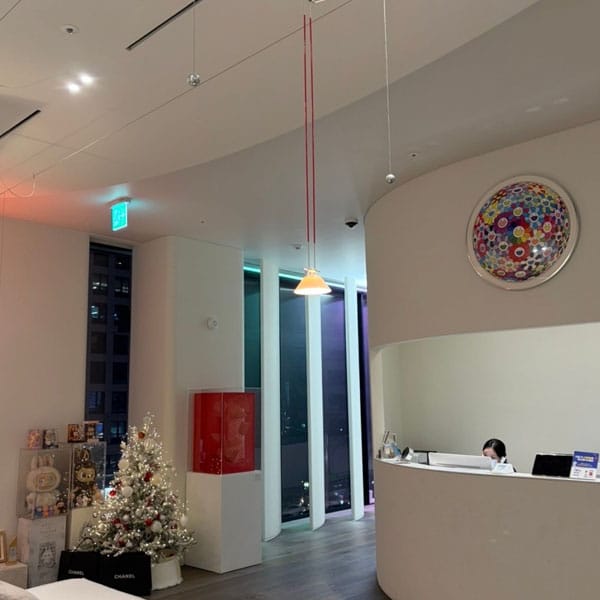
Set realistic expectations regarding the timeline of results: With Pico treatment, skin tone brightens on the same day, and it reaches its brightest state between days 3 and 7, with effects lasting around 1–2 months—regular treatments are needed to maintain this result. Thermage/HIFU/Sofwave all belong to the collagen-stimulating category; firming effects begin about 1 month after treatment, peak at 3 months, and can last 6–12 months. With INMODE body sculpting, contours become visible right after the procedure, while fat metabolism progresses gradually over 1–3 months. Keeping this timeline in mind will help you avoid getting frustrated if you feel the treatment isn’t working yet on the first day.
📌 Key takeaways:
1. Pain
level ranking: HIFU > Thermage > Sofwave > Pico – all within an acceptable range.
2. Post-treatment essentials: Kee
p the skin hydrated and protected from sun exposure, avoid high temperatures, refrain from drinkin
g alcohol, and don’t pick at scabs.
3. The best results are seen within 1–3 months, while lifting effects can last 6–12 months.
Who is suitable for getting ReOne glow treatment in Korea vs who isn’t
👭
Below is a comparison table to help you quickly determine which category you fall into. Overall, for those with sufficient budget who want to undergo multiple procedures at once and also plan to travel, flying to South Korea offers the best cost-performance ratio; whereas those who only want to have one or two basic treatments or are short on time will find it more cost-effective to have the procedures done locally.
Overall CP Value Summary: When Is It Most Cost-Effective to Fly to South Korea for ReOne?
🧳
The most accurate way to figure it out is by looking at actual cost breakdowns. Taking Taipei as an example: round-trip flight tickets during off-peak seasons cost around NT$8,000–15,000, accommodation for 2 nights is about NT$4,000–8,000, and miscellaneous transportation expenses total around NT$2,000. The “additional cost” for just one trip amounts to roughly NT$14,000–25,000. If you undergo Thermage treatment in Seoul (which costs about NT$20,000 less than in Taiwan) plus Ulthrea treatment (saving about NT$15,000), that totals a savings of NT$35,000. After deducting the travel costs of NT$20,000, you still end up with a net savings of NT$15,000—plus the bonus of getting to travel too. This is the ideal scenario for getting the best value when flying to South Korea.
On the other hand, if you only plan to have one Hydrafacial treatment (which can save around 1,000 New Taiwan Dollars in South Korea), the cost of just the flight will eat up all the savings, making it far from cost-effective. Therefore, the criteria for “the best value when flying to South Korea” are quite clear: high-priced treatments, multiple procedures in one visit, and already having plans to travel there. When all these conditions are met, clinics like ReOne in Cheongdam-dong become excellent choices; otherwise, it’s more hassle-free to do your research back in Taiwan and find a clinic with original manufacturer certification.
📌 Key takeaways:
1. The formula
for getting the best deal when traveling to Korea = high-cost procedures × multiple treatments in one visit + taking advantage of the trip.
2.
Example: Thermage combined with HIFU can save up to 35,000 TWD; even after deducting travel expenses, you still stand to save 15,000 TWD.
3. If you only need b
asic treatments, there’s no need to go to Korea—getting them done in Taiwan is the most cost-effective option.
Common Questions about ReOne Glow in South Korea
Q: Is getting photorejuvenation treatments in South Korea really that much cheaper than in Taiwan?
A: Overall, high-end treatments such as lifting procedures and laser therapies in South Korea (especially in areas like Gangnam and Cheongdam in Seoul) are typically 30%–55% cheaper than in Taiwan, with body sculpting treatments sometimes being over 50% less expensive. However, there’s little difference in prices for basic maintenance treatments. The key factor is what treatment you choose—going to South Korea alone doesn’t guarantee lower costs.
Q: Does ReOne Dermatology offer services in Chinese? Will there be any communication issues?
A: Yes. ReOne offers Chinese-language services, allowing you to communicate in Chinese throughout the process—from consultation and in-person consultation to post-surgery instructions—making it very convenient for Taiwanese travelers who are not familiar with Korean. It’s recommended to book an appointment in advance through BeautsGO or their WeChat customer service to ensure smoother arrangements on the day.
Q: It’s my first time flying to Seoulcheil for photorejuvenation treatments. Which treatment should I start with?
A: If you’ve never had any treatments before, it’s recommended to start with low-risk, recovery-free options like Pico or skin-clearing lasers to get a feel for the clinic’s procedures and how they suit your skin type. If you’re serious about anti-aging, you can then move on to treatments such as Thermage or HIFU. Don’t schedule too many procedures at once—leave some time to observe any post-treatment reactions.
Q: Are the numbers on the price list the official prices from ReOne?
A: The price table listed in this article represents the “reference market rates for Taiwan and South Korea” as of 2026, and it is not an official quote from a single clinic. The actual prices for various services at ReOne may vary depending on current promotions, supply levels, and the treatment area. Please visit BeautsGO to check the latest quotes for this clinic, or contact their Chinese-speaking customer service for pricing details.
Q: Can I go shopping the same day after a lifting procedure? How many days does it take to recover?
A:Thermage, HIFU, and Sofwave all fall under the category of “surgery-free” treatments. There is only mild redness after the procedure, and most people can go shopping on the same day. It’s recommended to avoid saunas and intense exercise within 24 hours after treatment, as well as to focus on proper moisturization and sun protection—no special leave is needed.
Or
ustomer service responds instantly
💬 Book via WeChat: Hannah972
Chinese c
ustomer service responds instantly
Related Recommendations
📌
- Reviews of T-Up Clinic in South Korea: Dcard users share that when getting ultrasound/radio wave treatments, you can ask to confirm the use of brand-new probes on-site, which is a big plus.
- If you’re thinking about getting Juvelook or Rejuran treatments, you must read this! Price list for dr.evers’ Seomyeon Branch in Busan: Special chain discounts in July – tips for budget-conscious women to look beautiful painlessly
- Here’s the much-anticipated price list for Galleria Dermatology in South Korea that all ladies are curious about! A comprehensive breakdown of services and current rates.
- Worried about getting scammed at Galleria’s Dermatology in South Korea? We tested it firsthand – prices are exactly the same across China, Japan, and South Korea! Includes a list of 31 specialist doctors + numbing timer.
- The affordable medical beauty treatments that Dcard users are热烈讨论?Honest reviews of the PPEUM Dermatology branch in Myeongdong, South Korea
- Reviews of Dr. Evers’ Busan Seomyeon Branch: It’s located inside Lotte Hotel? Real tips to avoid pitfalls when choosing one of Korea’s 30 popular chain clinics