Let me tell you straight up: getting Rejuran injections does hurt, but it’s not unbearable. From my personal experience at Ocean Clinic in Gangnam, Seoul’s top Dermatology practice, the pain level after applying an anesthetic was around 4-5 out of 10. The discomfort was most noticeable on the Forehead and areas with prominent bone structures like the nose bridge, while the cheeks and chin felt less painful. The entire injection process takes about 25 minutes. Afterward, your face might turn slightly red but won’t swell, allowing you to go shopping or have coffee as usual that very afternoon. If you’re still hesitating about whether it really hurts and whether it’s worth it, this article will break down every detail so you can prepare mentally before making an appointment.
What is Rejuran? Understand South Korea’s Most Popular “Salmon Needle” Treatment in Just 5 Minutes
💡
Rejuran is a skin-renewing injection developed by South Korea’s PharmaResearch biotech company. Its key ingredient is PN (polynucleotide), extracted from salmon testes. Instead of acting as a filler, it functions like a key that activates the skin’s natural repair mechanisms—stimulating the regeneration of Collagen and elastin. In short, Rejuran doesn’t just inject something into the skin; it helps the skin produce healthy components on its own.
In South Korea’s medical aesthetics community, Rejuran is affectionately dubbed the “date injection” or “lifelong glow serum,” thanks to the radiant and plump texture it brings to the skin that’s hard to achieve even with regular skincare products. The key difference between it and ordinary fillers lies in their functions: while fillers focus on hydrating and moisturizing, with hyaluronic acid as their main component, Rejuran initiates repair at the cellular level, offering a more profound effect of “skin renewal” — reducing fine lines, shrinking Pores, and giving the skin a thicker, more elastic feel.
5 Key Things You Must Know About Rejuran
✨
① Key ingredient: PN (salmon DNA extract) — highly similar in structure to human DNA, with excellent biocompatibility and a low risk of allergies. It’s not a filler but rather a “cell repair signaling molecule.”
② Mechanism of action: Triggers natural repair — After injection, PN is gradually broken down by enzymes in the skin, releasing nucleotides and nucleosides. These substances stimulate fibroblast proliferation, helping the skin produce new Collagen and elastin on its own. The results are gradual, rather than immediate.
③ Key improvements: fine lines, dullness, Pores, and skin laxity — It offers the most noticeable results for static fine lines such as those under the eyes, Nasolabial Fold Correction, and neck lines. It also effectively reduces overall facial dullness and uneven skin tone. However, if your primary concern is sagging or hollows, Rejuran isn’t the best choice.
④ Time to see results: Effects start appearing 2–3 weeks after the procedure. Right after the injection, you might only notice mild swelling, but true improvements in skin quality begin to show in the 2nd–3rd weeks, reaching their peak by the 4th–6th weeks. The results typically last 3–6 months (varies from person to person).
⑤ Treatment plan: It is recommended to use 3 sessions as a complete course—each session may bring some noticeable effects, but not significant ones. For an optimal Rejuran treatment outcome, it’s suggested to receive injections every 3–4 weeks for 3 sessions in total. After completing the course, follow-up injections should be given every 4–6 months to maintain the results.
The Atmosphere and In-person Consultation Experience at Gangnam Osyeon Ocean Dermatology Ocean Clinic
🏥
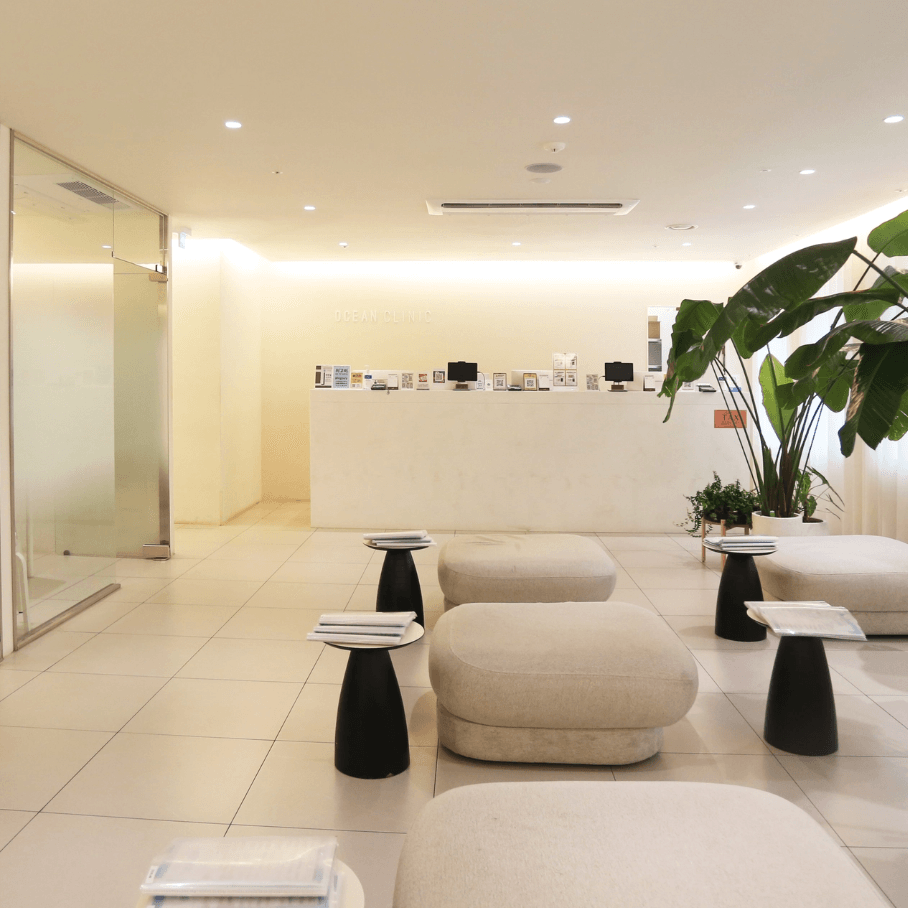
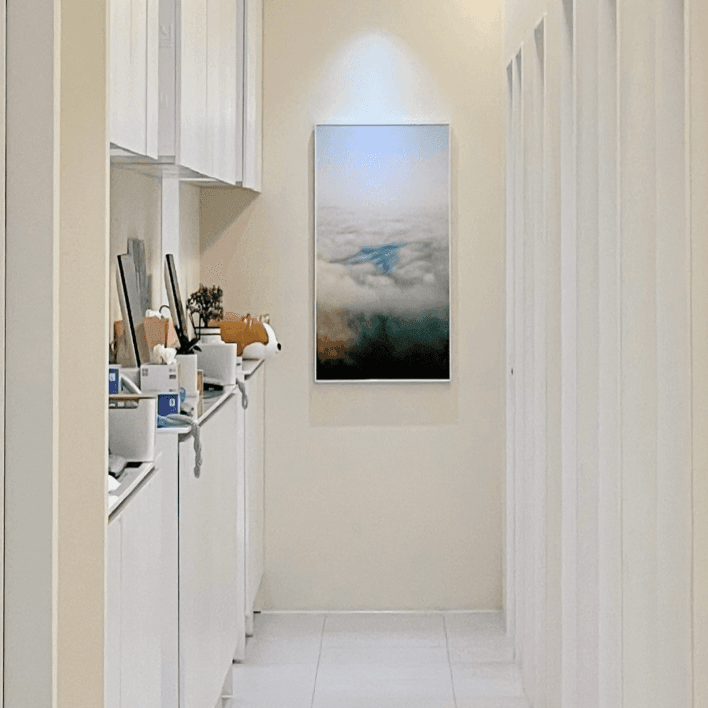
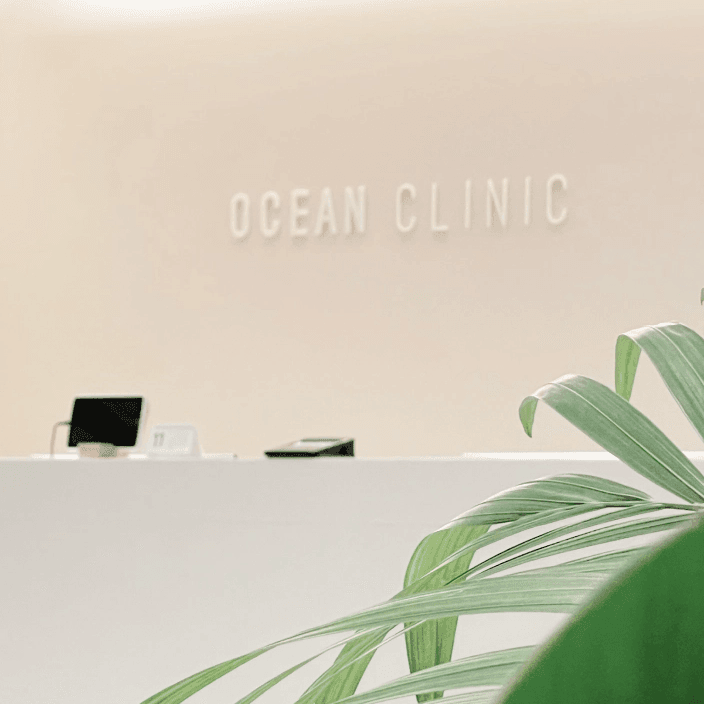
Osyeon Ocean Dermatology is located in the Sinsa-dong area of Gangnam, Seoul, just a 5-minute walk from Exit 8 of Sinsa Station on Subway Line 3. The clinic features a minimalist white-themed exterior, free from any overt “tourist-oriented” flair. Upon entering on the first floor, you’ll find a clean and bright reception hall, where a manager who speaks Chinese is available to assist with inquiries and provide translations—something that’s especially helpful for foreign guests who aren’t very proficient in Korean.
The consultation process goes like this: First, you fill out basic information and a medical history questionnaire → then there’s a photo analysis using a skin analysis device → after that, you go into the consultation room for a one-on-one meeting with the director. After reviewing my skin analysis results, the director was very honest about the limits of what Rejuran can achieve—for example, the fine lines under my eyes could be improved by about 70%, but to address the depression in my Tear trough correction area, Filler injection would still be necessary. This approach of not overpromising the results actually makes people feel more at ease.
Here are the questions you can ask directly during the in-person consultation:
① “Is my skin condition suitable for Rejuran treatment? Or would another treatment be more effective?” — A good dermatologist will give an honest answer without pushing a specific treatment.
② “Will this injection be done manually or with a machine? Why?” — This is an important question as it affects both pain level and results. We’ll compare the two in detail in the next section.
③ “How many days after the procedure can I normally wear makeup or travel abroad?” — If you’re pursuing medical aesthetics for travel purposes, you must clarify this timeline first.
How painful is getting Rejuran injections? Osyeon Ocean Dermatology reveals the full pain level experience
🫧
This is the question everyone is most concerned about. To give you the straight answer: the pain from Rejuran isn’t of an “unbearable” kind—it’s more like a series of quick stings one after another. Each injection takes only a moment, but since many injections are needed (around 80–120 points across the face), the overall sensation is more like enduring a long song rather than the intense pain from being punched.
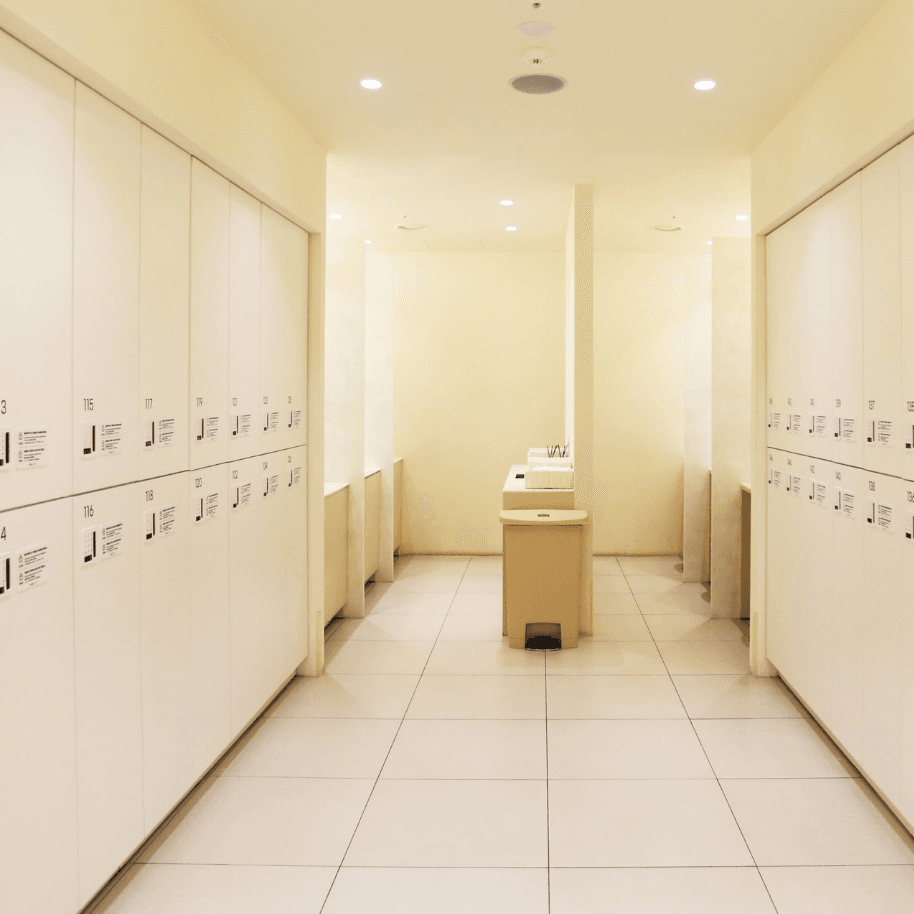
Here is the complete timeline of my experience at Osyeon Ocean Dermatology, from the moment I entered until the treatment was finished, with my feelings at each stage recorded in detail:
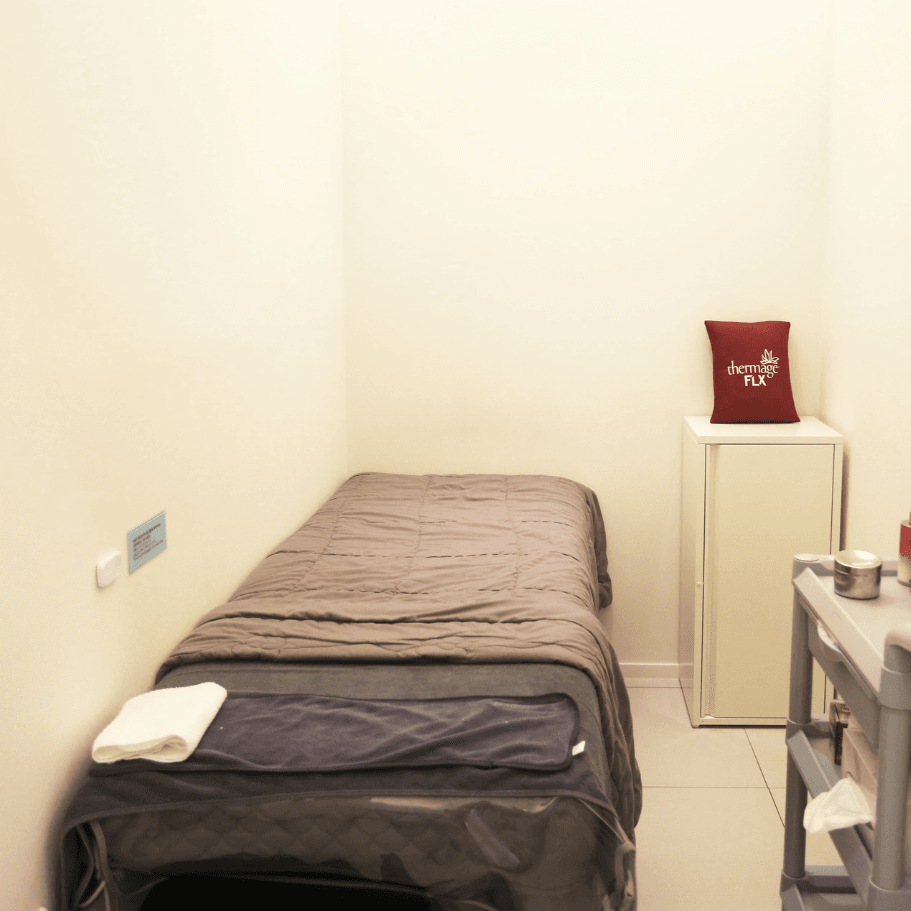
Stage 1 | Anesthetic application (about 20 minutes) — The nurse applies anesthetic ointment evenly across the entire face, then covers it lightly with plastic wrap to help it absorb. I opted to let it sit for an extra 5 minutes (a total of 25 minutes), as the clinic director mentioned that a longer application provides greater comfort for those with skin that’s more sensitive to pain. There’s no discomfort at all during this stage; you just lie there and scroll through your phone while waiting.
Phase 2 | Facial Disinfection (about 2 minutes) — After the anesthetic is wiped off, the entire face is disinfected with alcohol swabs. The alcohol evaporates, giving a slight cooling sensation. There’s no pain at this stage either; it’s just that anxiety starts to set in mentally.
Phase 3 | Actual injection (about 25 minutes) — The doctor begins injecting from the Forehead. Pain levels are recorded by area as follows:
Forehead (pain level: ★★★★☆ 5/10) — This is the area where you feel the pain the most. Since the bone in the forehead is quite thin, it feels like being hit by a rubber band the moment the needle goes in. Each injection lasts only about 0.5 seconds, and after administering one shot, the doctor immediately moves on to the next one, keeping a fast pace so there’s no time to dwell on the discomfort. The first 10 injections are the most stressful, but once that’s over, you get used to it.
Nasal bridge + forehead (pain level: ★★★★★ 6/10) — the most painful area on the whole face! With prominent bones and thin skin, every injection feels like someone is firmly squeezing the nasal bridge. Thankfully, there are relatively few injection points in this area (about 5–8 shots), so it’s manageable once you get through it.
Cheeks + Apple Zone (pain level: ★★★☆☆ 3/10) — A sudden shift from hell to heaven. With the cheeks having plenty of soft tissue, the sensation when the needle is inserted is mostly just that of something going in, with little pain. This area requires the most injections (around 30–40), but it’s actually the least painful.
Chin + mandibular line (pain level: ★★★☆☆ 3.5/10) — A slight tingling sensation, about one-third as intense as that from a vaccination. You’ll mainly feel fluid moving beneath the skin, which is a normal reaction.
Under the eyes + Tear trough correction (pain level: ★★★★☆ 4/10) — This is a sensitive area, but it’s not a stinging pain; rather, it feels more like a dull ache. The doctor takes extra care when treating this area and slows down the procedure.
After the full-face treatment, the face will feel slightly warm and reddened, similar to how it feels right after running. The therapist will immediately apply a soothing mask (for about 15 minutes), and after that, most of the redness goes away. In summary, the pain level during this treatment is less intense than that of Pico therapy but more comfortable than HIFU treatment—roughly somewhere in between.
Hand-applied vs Machine-applied Rejuran: Pain Differences and Selection Tips
💡
Rejuran can be injected either manually (by a doctor using a syringe to inject at each point) or mechanically (using an electronic injector with multiple needles for simultaneous injection). There are significant differences between the two methods in terms of pain level, effectiveness, and suitable patient groups. I chose the manual injection method at Osyeon Ocean Dermatology. Below is a comparison based on actual experiences with both approaches:
① Hand-applyd Rejuran
Pain level: Relatively high (4-6/10), as each needle is inserted individually without the help of a machine’s rapid sequential mechanism to distract attention. The advantage, however, is that the doctor can adjust the depth of insertion and dosage based on the skin thickness in different areas—such as using different techniques for the Forehead and under the eyes.
Results: It’s widely recognized as more precise than laser treatment. Physicians can focus on specific problem areas such as the Nasolabial Fold Correction and Tear trough correction, ensuring a more even distribution of the treatment agent. Its duration also lasts about 20–30% longer than laser therapy. The downside is that mild bruising (1–3 small spots) may appear after the procedure, which usually fades within 2–3 days.
② Machine-applied Rejuran
Pain level: Low (2-3/10), as the device inserts multiple needles at once and injects at a very fast pace, giving the sensation of being lightly tapped several times in a second—there’s almost no tension waiting for the next needle.
Results: It offers good evenness, but its precision isn’t as high as that of manual treatment. Machine treatments are suitable as a basic skincare routine for the entire face, but if you need to target specific problem areas for enhanced care, it’s still recommended to combine them with manual treatment. The advantage is that there are no bruising at all, allowing you to apply makeup right after the treatment.
Conclusion: Who should choose manual treatment? Who should choose machine treatment?
→ If you have high expectations for results, specific areas you’d like to improve (such as the Nasolabial Fold Correction or fine lines under the eyes), and aren’t afraid of mild pain — go with manual treatment.
→ If you’re new to medical aesthetics, sensitive to pain, or only need overall Lifting of your skin without targeted enhancement in certain areas — opt for laser treatment. → The perfect app
roach: start with laser treatment to get used to the sensation of pain, then switch to manual treatment for subsequent sessions to enhance the results.
Ocean Clinic’s Rejuran Treatment Costs Made Public
💰
Many people worried most when checking the prices at Dermatology clinics in Gangnam is ending up with an unexpected price hike upon arrival. As for Osyeon Ocean Dermatology, its pricing falls within the mid-range for clinics in Gangnam — not the cheapest, but certainly not the most expensive either. The prices are transparent, and there’s no extra charge just because you’re a foreigner, which is quite rare among medical beauty clinics targeting tourists.
Below are the price references for Rejuran-related treatments at Osyeon Ocean Dermatology (prices are subject to the clinic’s current rates, with 10,000 KRW approximating NT$225).
① Rejuran full-face injection (2 centum core) – Estimated price: ₩350,000–550,000 (approximately NT$7,900–12,400). The price variation mainly depends on whether additional treatment packages or promotional offers are included. It’s recommended to confirm the current price when making an appointment.
② Rejuran + Hyaluronic Acid Injection Package — This is the most popular treatment option at Osyeon Ocean Dermatology. Rejuran helps with repair and regeneration, while hyaluronic acid injections provide deep-level hydration, creating a synergistic effect when used together. The estimated price is around ₩600,000–800,000 (approximately NT$13,500–18,000), which is about 15% cheaper than purchasing them separately.
③ Rejuran 3-Course Package — If you’re committed to completing the full treatment course, buying the package is by far the most cost-effective option, often offering 10-15% discounts. The suggested price ranges from ₩1.0 million to ₩1.4 million (approximately NT$22,500–31,500), meaning each session costs about ₩50,000–100,000 less when purchased as part of the package rather than individually.
④ Additional treatment options — Pico laser spot reduction at ₩200,000–350,000 (approximately NT$4,500–7,900), and Botox for a smaller face at ₩150,000–250,000 (about NT$3,400–5,600). Please refer to the clinic’s current pricing for exact costs.
Compared to Taiwan, the cost of a single Rejuran injection at medical beauty clinics in Taiwan ranges from NT$12,000 to 18,000. In South Korea, even when including flight and accommodation costs, the overall expense remains relatively competitive if multiple treatments are done together. However, if you fly to South Korea just for one treatment, it’s not cost-effective—you need to take both the time and flight expenses into account.
Post-surgery recovery timeline: A realistic record from Day 1 to Day 30
📌
Rejuran is a minimally invasive treatment, and its recovery period is shorter than one might expect. Here’s a realistic timeline from the day of the treatment to one month later:
On the day of the procedure (Day 0) – the face appears slightly red and warm, similar to a mild sunburn. The skin feels a bit tight to the touch. After about 3–4 hours, the redness subsides by 80%. It’s possible to wear a mask normally without any impact on daily activities. I even went to a café in Sinsa-dong right after the treatment, and no one noticed anything unusual.
Days 1–2 – The redness completely disappears, but the skin may develop 2–3 very small injection bruise spots (the size of needle holes), which are barely noticeable under makeup. The face might feel a bit dry as the skin activates its repair mechanisms and needs more hydration. Avoid using functional skincare products (acids, retinol, etc.) at this time.
Days 3–7 – The bruising spots completely disappear. The skin begins to look more supple, but this isn’t yet the final result. The “supple feel” at this stage is actually partly due to mild swelling as the skin heals; don’t get carried away with expectations thinking this is already the final outcome.
Weeks 2–3 – Real improvements start to show. You’ll notice that makeup applies more smoothly, your skin tone looks more even without makeup, and it doesn’t feel dry right away even after washing your face without applying any moisturizer. Your Pores appear visually smaller, and the fine lines under your eyes seem to be “slightly filled in.”
Weeks 4–6 – the peak effect period! The skin’s plumpness and glow reach their maximum, giving it a natural dewy look even without filters when taking photos. If you’ve received both Rejuran and Filler injections, the results will be most noticeable during this time.
Months 3–6 – The effects gradually diminish. Once PN is fully metabolized, the skin returns to its baseline state. However, compared to before any treatment was administered, the skin’s underlying quality has improved (as new Collagen was indeed produced during the injection period).
5 Must-Dos After the Procedure: Key Factors Affecting How Long Rejuran Lasts
⚠️
How long the effects of Rejuran can last largely depends on whether proper post-treatment care is carried out. The following 5 points are especially emphasized by the director of Osyeon ocean Dermatology — all of them are essential:
① Avoid washing your face or getting it wet within 24 hours after the procedure—this gives time for the tiny wounds from the injections to heal. If cleaning is necessary, gently wipe with saline solution. Never rinse your face directly with tap water.
② Avoid any heat sources for one week—no saunas, steam baths, hot yoga, or hot springs. High temperatures can accelerate blood circulation, potentially causing the injected PN to be metabolized too quickly or absorbed by the body sooner, thereby shortening its duration of effect.
③ Avoid using acidic and retinol-based skincare products for one week—stop using irritating ingredients such as fruit acids, salicylic acid, retinol, and high-concentration vitamin C. Post-surgery care should focus on three key aspects: hydration, repair, and sun protection—the simpler, the better.
④ Maximize sun protection — Your skin is in a sensitive recovery phase after the procedure, and UV damage can completely undermine the healing effects of Rejuran. Make sure to apply SPF 50+/PA++++ sunscreen, reapplying every 3–4 hours. If possible, avoid prolonged exposure to sunlight for at least a week after the treatment.
⑤ Adequate hydration + protein supplementation — The mechanism behind Rejuran lies in stimulating the regeneration of Collagen, and the body needs sufficient water and protein as raw materials for this process. After the procedure, drink at least 2000 centum core of water daily for a week, and consume more high-quality proteins such as fish, eggs, and tofu.
Who is a good candidate for Rejuran? Who should consider it with caution?
👭
Not everyone needs to get Rejuran injections, and not everyone will be satisfied with them. Below are several factors to help you determine which category you fall into:
Below is a comparison table to help you quickly determine whether Rejuran is right for you:
The above comparison can serve as a preliminary screening reference; the final decision on suitability should still be based on a face-to-face evaluation by a doctor.
Frequently Asked Questions FAQ
Q: How long does it take to apply makeup after getting Rejuran?
A: It’s recommended to avoid applying makeup within 24 hours after the procedure to allow the tiny wounds to fully close. If there’s no noticeable redness or open wounds after 24 hours, you can resume wearing makeup normally. Still, it’s best to use mild makeup removers and avoid rubbing your face vigorously.
Q: Can Rejuran cause bruising? How long does it take for them to fade?
A: Manual injections are more likely to cause minor bruising (petechiae about the size of 1–3 needle holes), and this is a normal occurrence. They usually fade within 2–3 days and are barely noticeable under makeup. If you’re very concerned about it, you can stop taking supplements like fish oil and vitamin E, which may increase the risk of bruising, one week in advance.
Q: Does Osyeon Ocean Dermatology offer services in Chinese? Can I visit there even if I don’t speak Korean?
A: Yes. Osyeon Ocean Dermatology has department heads who speak Chinese to provide full translation support throughout your visit, from the initial consultation to post-procedure instructions—so language is absolutely not an issue. You can mention your need for Chinese services when making an appointment, and the clinic will arrange a suitable time slot for you.
Q: What’s the difference between Rejuran and regular hyaluronic acid injections?
A: The main component of hyaluronic acid injections is Filler, and its mechanism of action is to “hydrate” the skin. Rejuran, on the other hand, contains PN as its key ingredient, working by “triggering repair and regeneration.” Hyaluronic acid injections provide immediate moisture and luminosity, while Rejuran offers long-term improvements in skin quality. The two can be used together to enhance each other’s effects.
Q: For the first time using Rejuran, is it recommended to do it manually or with a device?
A: If you’re new to cosmetic procedures or particularly sensitive to pain, it’s recommended to start with injectables first to get used to the level of discomfort and understand the post-procedure recovery process. If you already have experience with cosmetic treatments and can tolerate pain levels around 4-5 on the scale, going straight for injectables will yield more precise results.
Related Recommendations
📌
- Is Barog Dermatology in South Korea just a high-volume clinic? Full documentation of consultations by the director ensures you say goodbye to careless medical beauty treatments.
- Cost and Results Review of Hand-Appplied Rejuran at Busan JRYN Dermatology | Just a Short Walk from Seomyeon Station
- I went to Hongdae in South Korea and had a Pico treatment combined with hyaluronic acid injection at KATE Dermatology|Fully in Chinese, transparent pricing, with my real experiences included
- Unveiling the qualifications of dermatologists at Seoul HEV Dermatology: Graduated from Yonsei University with 14 years of experience – no mass-produced cosmetic treatments!
- Full Experience Report of HEV Dermatology HIFU 10Trip: The Latest Choice for Anti-Aging and Lift in Gangnam, Seoul
Or
mer service provides instant replies
💬 Book via WeChat: Hannah972
Chinese custo
mer service provides instant replies