
Going to South Korea for cosmetic procedures is no longer something new for many people. However, every time they actually sit in the treatment chair, they still feel a bit nervous: What will the results be like? Will the pain be tolerable? Are the doctors reliable? In this article, I would like to share my personal experiences of having Rejuran injections and Thermage treatments at TUP Dermatology in Seoul. I will not exaggerate or avoid any details; this is just a straightforward account based on my own experiences as an ordinary person.
Why choose South Korea’s TUP Dermatology?
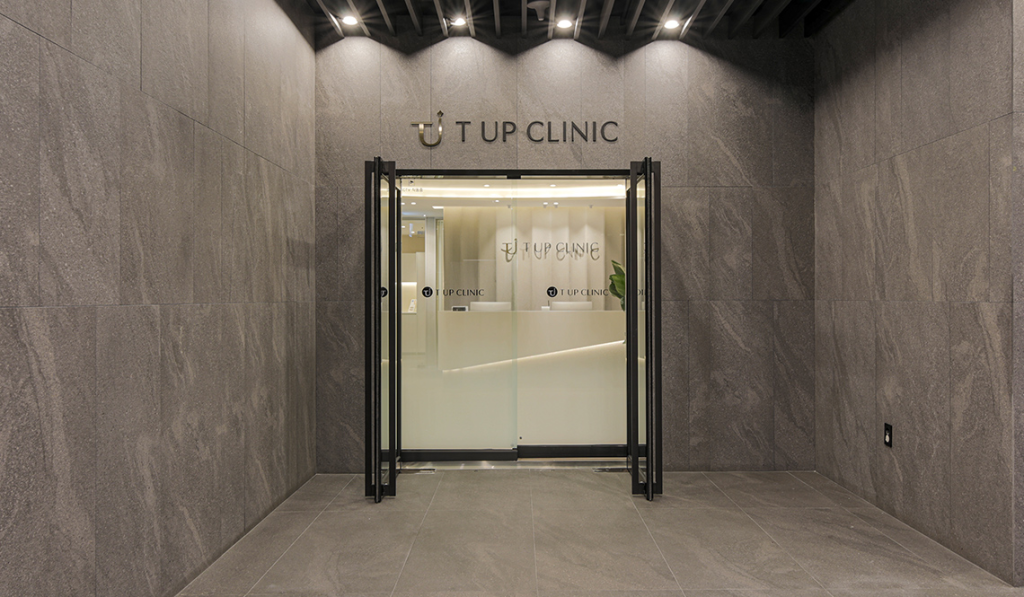
To be honest, choosing TUP was somewhat accidental. A friend recommended it, saying that this Dermatology clinic in Seoul is known for its advanced technical skills, and that the doctors performing Rejuran treatments are very meticulous and have a good reputation. Additionally, after doing some research, I found that they are relatively accommodating to Chinese customers – there’s no need for an interpreter, and patients can communicate their basic needs in Chinese during consultations. This is really important for someone like me who knows almost nothing about Korean.
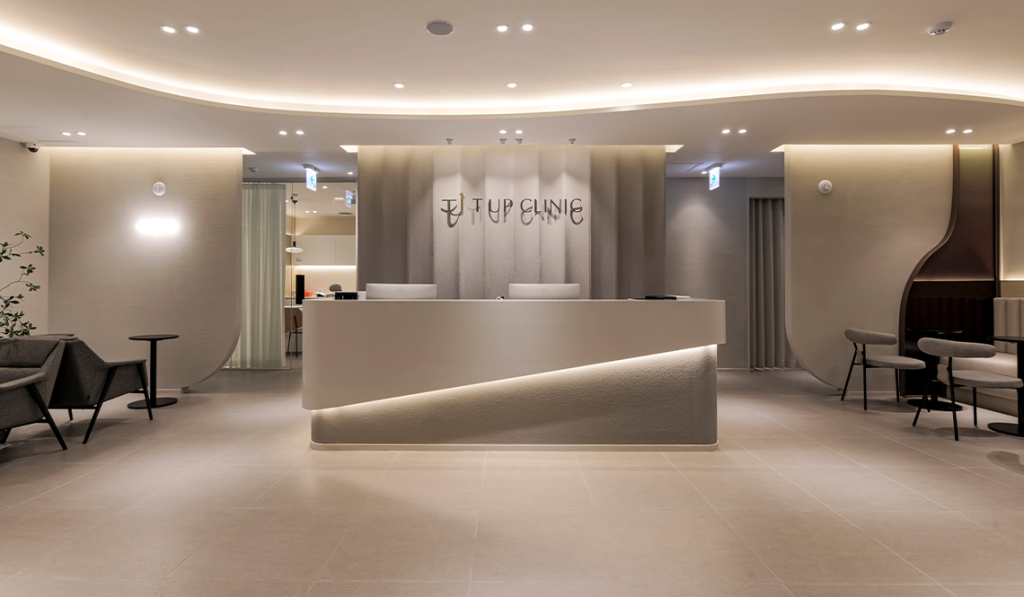
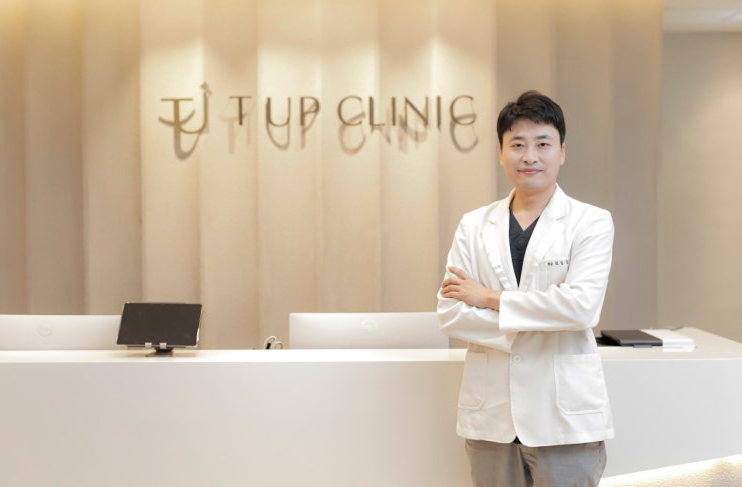
TUP Dermatology is located in Seoul. The environment there is clean and tidy, and the waiting area does not create a sense of pressure. Upon entering, I filled out a questionnaire, which included questions about my allergy history and whether I had undergone any other injection treatments recently. I really appreciate this step, as it shows that they take safety very seriously. The waiting time was approximately 15 minutes, which is not long at all.
The consultation process at South Korea’s TUP Dermatology: doctors truly listen to what you have to say.
I had prepared my requirements in advance: my face lacked overall glow, my Pores were enlarged, and my Nasolabial Fold Correction was quite noticeable; I wanted to achieve a more tightened and firm appearance. During the consultation, the doctor used a translation software to assist him. As he listened to what I said, he also observed the condition of my skin. In the end, he recommended that I first undergo Thermage treatment to achieve a basic tightening effect, and then combine it with Rejuran injections to replenish Collagen and improve the quality of my skin.
I have also researched this combination in advance, and logically, it makes sense. Thermage uses radiofrequency energy to stimulate the regeneration of deep-layer collagen, while Rejuran belongs to the category of “dermal regeneration injections” and contains PDLLA particles and hyaluronic acid, which can directly induce collagen proliferation in the dermis. The combination of these two treatments is theoretically expected to produce more comprehensive results than using either one alone.
Actual experience with Thermage at TUP Dermatology in South Korea: It hurts, but it’s worth it.
For Thermage, I choose the FLX version, the full-face treatment package. Before the procedure, a nurse will apply a topical anesthetic cream, and the waiting time is approximately 45 minutes. As for the effect of the topical anesthetic… well, it’s only slightly effective; it doesn’t completely eliminate the pain.
During the actual treatment process, the most uncomfortable areas were around the eyes and jawbone. There were intermittent stings of heat, and sometimes when the energy reached the bones, it would cause a slight jolt, which was a bit frightening for me. However, the doctor kept asking me how much pain I was experiencing and whether I felt any discomfort at all. The entire procedure was very steady and didn’t feel like just going through the motions. The whole treatment took about 90 minutes, and after it was over, my face would turn slightly red, but applying an ice pack helped to relieve the discomfort significantly.
On the day after the Thermage treatment, my skin felt tight, as if a thin layer of film had been applied to it. A friend noticed that my face seemed smaller, and when I looked in the mirror, I indeed saw that my Nasolabial Fold Correction had faded a bit. However, the effects of Thermage become apparent gradually; the full results usually take 2 to 3 months to appear. So, what I felt on that day was just the beginning of the process.
What is it like to get Rejuran injections at South Korea’s TUP Dermatology? Is there any difference compared to machine-assisted injections?
Rejuran injection is, as the name implies, a procedure in which doctors use handheld injectors to administer the injections manually, one by one, rather than relying on devices such as hyaluronic acid guns. Compared to automated injection methods, the advantages of manual injection are that doctors can flexibly adjust the depth and intensity of the injections according to the specific characteristics of each individual’s face, allowing for more precise treatment of detailed areas such as the contours, around the eyes, and around the lips.
In terms of pain – I got the Rejuran treatment after having the Thermage procedure, so my skin had already gone through some stress before. It felt a bit numb, and the pain wasn’t as intense as I had expected. The nurse applied another thin layer of local anesthetic, and the sensation during the injection was like being bitten by many tiny mosquitoes at the same time. There was a slight stinging and swelling in the dense areas of my Forehead and cheeks, but it was definitely within an acceptable range. The entire injection process took about 30–40 minutes.
After receiving the Rejuran treatment, my face developed some small red spots. Before going out, the nurse applied some healing patches for me and instructed me not to get the area wet or wear makeup for 24 hours. By the next day, the red spots had mostly disappeared, and my skin felt “plump” – as if it had been replenished with moisture from within.
Is South Korea’s TUP Dermatology’s Rejuran really worth it? My assessment
Objectively speaking, Rejuran is not the kind of treatment that can instantly transform one’s appearance. It belongs to the category of slow-acting collagen regeneration injections. In South Korea, the cost of such treatments usually ranges from 400,000 to 600,000 South Korean won per session, which is certainly not considered cheap.
So, is it worth it? Based on my own experience:
- Improvement in skin texture: After about a week, the skin begins to show a noticeable “brighter appearance”, and the Pores appear to have become smaller.
- Durability: South Korean doctors generally recommend 3 to 4 sessions as a course of treatment, with the effects lasting for 6 to 12 months. This is my first time undergoing this treatment, and the effects are still ongoing.
- The synergistic effect with Thermage: So far, I can definitely feel it. The overall contour of my face is clearer than before, and the elasticity of my skin has also improved.
If you have good underlying skin conditions and simply want to maintain them, Rejuran injections are a great option. However, if you have multiple skin issues, the effects of a single treatment may not be noticeable, so it is necessary to follow a comprehensive treatment plan.
When the two treatments offered by Dermatology TUP in South Korea are used together, does that cause any adverse effects?
I was also very concerned about this issue beforehand. Would it put too much strain on the skin to undergo Thermage and Rejuran treatments on the same day?
My actual experience was as follows: I did not experience any obvious adverse reactions. The degree of redness remained within the normal range; there were no bruises or any unusual swelling. The doctors at TUP also took the procedure sequence into consideration—they first performed the Thermage treatment and then administered the Rejuran injections. This order ensured that the injected substance was better distributed and absorbed within the already stimulated dermis.
Of course, since my body recovers relatively quickly, it doesn’t mean that everyone is suitable for undergoing the procedure on the same day. If you have sensitive skin or are trying medical aesthetics for the first time, it is recommended that you consult with a doctor in detail; splitting the procedure into two sessions may be a more cautious approach.
How do I carry out post-operative care after treatment at TUP Dermatology in South Korea?
The doctor provided a list of postoperative precautions (also available in Chinese), which can be summarized as follows:
- Avoid high-temperature environments for 48 hours (saunas, hot baths, high-temperature yoga).
- Stay without makeup for 24 hours, and avoid rubbing the injection area vigorously.
- Reduce the intake of spicy and stimulating foods within a week.
- Be sure to protect yourself from the sun; it’s best to use sunscreen with an SPF of 50 or higher every day.
- You can use mild restorative masks to help soothe and calm the skin.
I followed all the instructions, and indeed, the recovery process was quite fast. By the third day, I was already able to wear makeup and go out normally, with no noticeable abnormalities on my skin.
Reference Costs and Appointment Recommendations for Dermatology at TUP in South Korea
The costs of undergoing these two procedures in South Korea vary from person to person. Here, I provide a general range for your reference:
- Thermage FLX full face treatment: Approximately 1.5 to 2.5 million Korean won, depending on the clinic and the number of treatment sessions.
- Rejuran injection (one session): Approximately 400,000 to 600,000 Korean won; the cost may vary depending on the area treated and the dosage used.
If you plan to undergo cosmetic procedures in South Korea, it is recommended to make an appointment for a consultation in advance through a reliable platform. Firstly, this will ensure that you can get a doctor available for your treatment. Secondly, many of these platforms offer Chinese-speaking customer service, which can save you the hassle of language barriers.

Overall, my experience at TUP Dermatology was quite positive. The doctors are skilled and communicate sincerely; they never try to force customers into additional treatments, and the overall atmosphere is down-to-earth and unpretentious. Although the firming effects of Thermage take some time to become apparent, I have already started to notice them. The improvement in my skin quality after the Rejuran treatment is also very real.
If you are considering going to South Korea to have Rejuran injections or Thermage treatments, I hope this personal experience sharing can provide you with some useful information. If you have any questions, feel free to leave a comment below and I will do my best to answer them!
Frequently Asked Questions
Q: How long does the effect of Thermage last after the treatment?
A: The effects of Thermage usually last for 1 to 2 years. It is recommended to combine it with regular skincare routines to extend its effectiveness. Those who undergo the treatment for the first time can assess whether a follow-up session is needed after 6 months.
Q: Is Thermage painful? Is it necessary to apply anesthesia before the treatment?
A: During the treatment with Thermage, there is usually a noticeable sense of heat and stinging, especially in areas where the bones are more prominent. Most clinics offer topical anesthesia or cold compresses to alleviate this discomfort, and the degree of pain varies from person to person, but it is generally tolerable.
Q: How long does the effect of Rejuran last?
A: The effects of Rejuran usually last for 3 to 6 months. It is recommended to return for a follow-up examination after 3 months to determine whether a booster dose is needed. The results achieved through manual injection are more lasting than those obtained by machine injection, but the pain associated with manual injection is also slightly greater.
Q: Are the evaluations of Dermatology clinics in South Korea trustworthy? How can one tell whether they are genuine or not?
A: It is recommended to compare reviews from Naver, Dcard, and Google. If a platform receives too many positive reviews, it is worth paying attention. Genuine reviews usually contain specific details (such as pain levels, the procedure itself, and post-treatment changes), while template-based positive reviews are often fabricated.
Q: How should one choose a clinic for medical beauty treatments when visiting South Korea for the first time?
A: Give priority to clinics that offer Chinese-language services, have the chief physician conducting personal consultations, and provide clear pricing. Avoid those that engage in aggressive sales tactics, refuse to allow in-person consultations, or have vague pricing. Every clinic mentioned in this article is one that I have personally visited.
Related recommendations
- 2026 South Korea Thermage Price List: A comprehensive guide to Thermage FLX! How much does it cost to avoid being overcharged?
- Top Dermatology Institutions in South Korea in 2026 | Comprehensive Reviews of 10 Popular Dermatology Centers Such as Meilab, ELEV Private Antiaging Center, and jd – Price Comparisons at a Glance
- Recommendations for HIFU treatments at Dermatology clinics in South Korea: Starting from 500,000 South Korean won, 5 top physicians provide personal consultations – no additional charges for foreigners.
- South Korea Rejuran Price List 2026! How much does the Hyaluronic Acid injection from Hermes cost? What is the price difference between manual injections and machine-assisted injections?
- Recommended by South Korea’s Rejuran Dermatology: Hand-lift treatments starting from ¥330,000 – price comparisons of 6 clinics; this one offers the best value for money.