
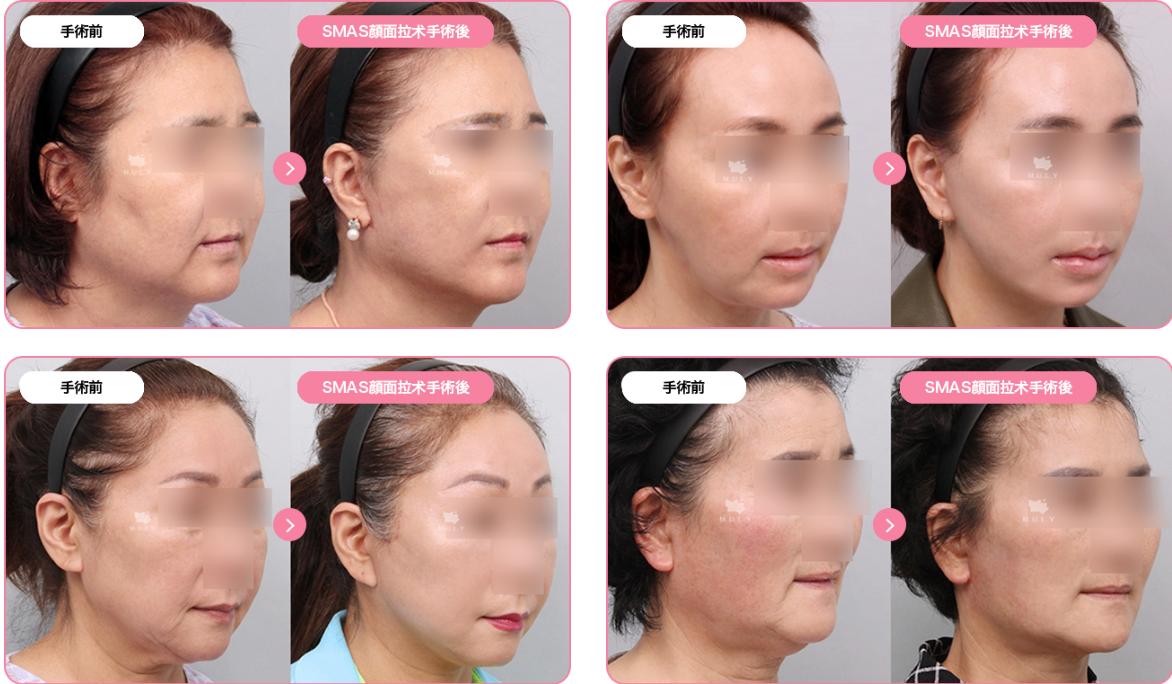
In recent years, skin care treatments from South Korea have become extremely popular in Taiwan. More and more Taiwanese customers are flying to Seoul specifically for medical beauty treatments. In particular, the Muly Dermatology clinic in Gangnam District has gained high attention online for its non-surgical anti-aging treatments and precise injection procedures. However, with such popularity come various reviews that are sometimes genuine and sometimes misleading, as well as hidden concerns regarding consumer experiences. Are the Muly Dermatology clinics in South Korea really reputable institutions that local Koreans would regularly visit? And will foreigners face issues such as “differential pricing,” “unlicensed practitioners,” or aggressive sales tactics when seeking these services there?
From the perspective of Taiwanese customers, this article combines local Naver reviews from South Korea, actual in-store experiences, and industry-specific information to thoroughly analyze the strengths and weaknesses of Muly Dermatology, its target customer base, hidden rules, and tips to avoid common pitfalls, helping you to undergo skin care treatments in South Korea without running into any problems or wasting money unnecessarily.

1. Do local people in South Korea really go to Muly Dermatology in Myeongdong?
The answer is: Yes, but it mainly targets the “local middle-aged and young group interested in beauty treatments,” and it is not a shop specifically designed to cater to foreign tourists.
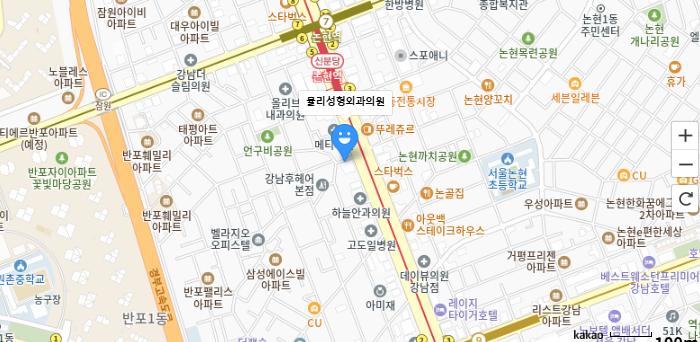
Myeongdong Muly Dermatology is located in Gangnam District, Seoul. It is a established institution with a good reputation in South Korea, maintaining a score of 4.7 or above on Naver (South Korea’s largest search platform) for a long time. Over 90% of the reviews come from local South Korean office workers, college students, and housewives. The clinic focuses on a gentle aesthetic treatment approach that allows customers to take care of their skin during lunch breaks before returning to work in the afternoon, which aligns well with the daily skin care habits of South Koreans.
The most straightforward way to distinguish between “local shops” and “tourist shops” is…
1. Proportion of customers visiting the store:
During the day, Muly mainly serves local South Koreans; in the evening and on weekends, the number of foreign customers (including those from Taiwan, Hong Kong, and the Chinese mainland) increases. It is not a “specialized store” that only speaks Chinese throughout the entire service process.
2. Pricing system:
It supports reservations and pricing on local South Korean platforms, without any obvious double standards of “lower prices for locals and higher prices for foreigners”.
3. Sales logic:
Local people place greater emphasis on the effectiveness and stability of treatment outcomes, and agencies do not resort to tactics such as exaggerating treatment effects or offering extremely low prices to attract tourists.
In simple terms, Muly is a legitimate Dermatology clinic that is recognized by local residents and also serves foreigners. It is not one of those fake clinics that target Taiwanese tourists specifically. However, precisely for this reason, it is even more essential to follow the correct procedures to avoid any disadvantages resulting from language barriers or information asymmetry.
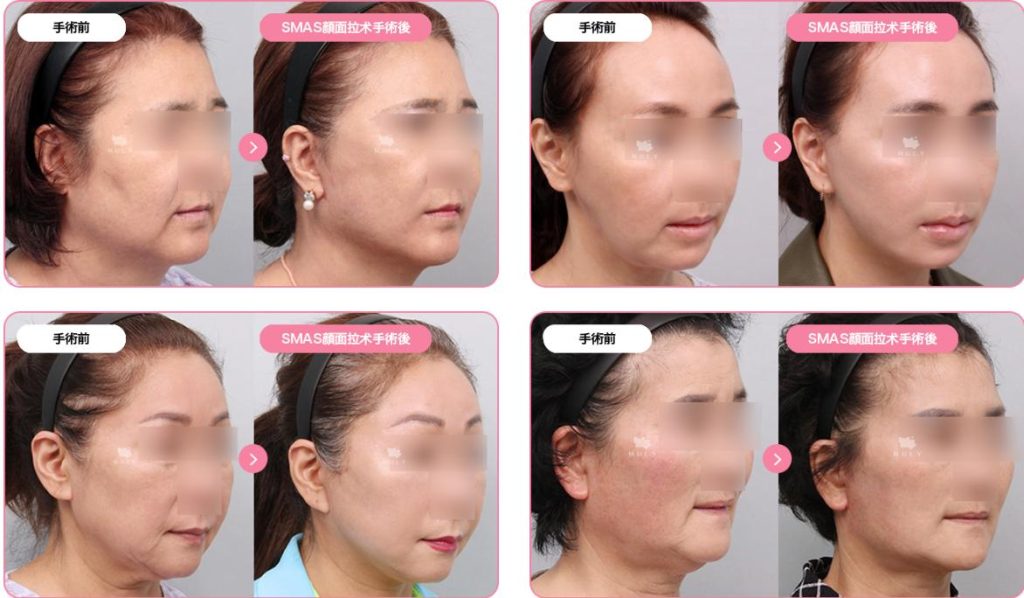
II. The real advantages of Muly Dermatology in South Korea: Why are local people willing to repurchase their services?
As an established institution in Gangnam District, Muly has been able to operate steadily for many years. There are indeed several compelling reasons why Taiwanese customers choose it, and these are also the reasons why local residents continue to return to use its services:
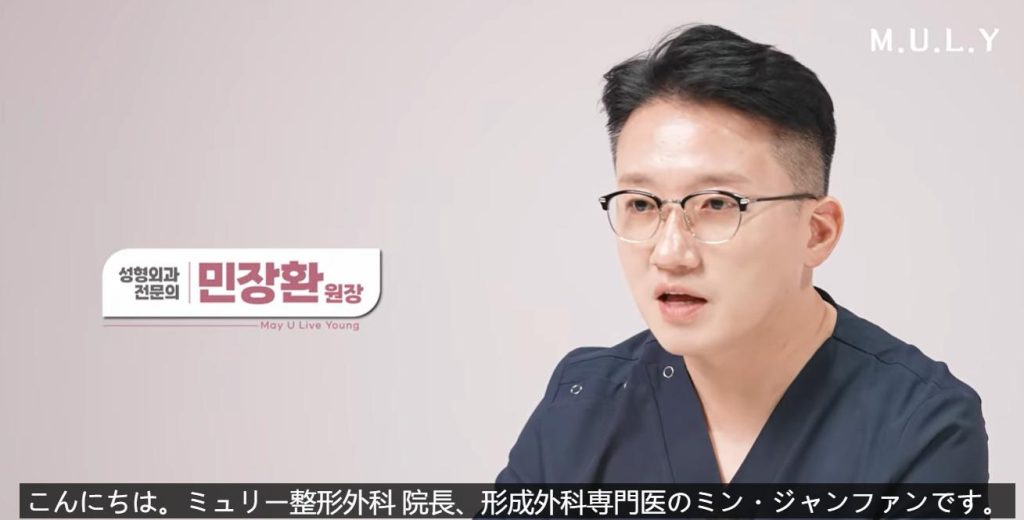
1. The medical team is professional, and the proportion of consultations conducted personally by the hospital director is high.
Muly adheres to the “system of responsibility by the head of the clinic.” The physicians working there mostly come from top medical institutions in South Korea, such as Seoul National University. Their practice information can be verified on the official websites of South Korean medical organizations, ensuring that injections, laser treatments, and other procedures are carried out only by licensed physicians or assistants, thus guaranteeing their safety.
2. Specializes in non-surgical anti-aging treatments, in line with the natural beauty standards of Korean aesthetics.
Focusing on improving dynamic wrinkles, tightening the skin’s contours, and promoting deep skin regeneration, this approach does not aim for drastic changes but rather emphasizes “looking 5-10 years younger while preserving one’s individual characteristics.” It is particularly suitable for Taiwanese customers who prefer a natural look.
3. Standardized processes that are user-friendly for foreigners.
We provide consultation forms in both Chinese and Korean, as well as Visia skin analysis services that can measure data such as Pores, redness, inflammation, and skin pigmentation. During the treatment process, we will clearly explain the steps involved and the energy parameters used. After the procedure, we offer soothing care and detailed instructions for aftercare. In addition, remote consultations via WeChat are available to address any concerns of Taiwanese customers after they return home.
4. Prices are relatively transparent, with fewer hidden costs for consumers.
Compared to some other tourist hotels, Muly’s price list is transparent. The prices for basic treatments such as laser therapy, hyaluronic acid injections, and facelifts are in line with the market standards of the Gangnam area; there are no arbitrary price increases or forced upgrades of packages.
III. Important information for foreign customers: 5 hidden pitfalls and tips to avoid them at Muly Dermatology
Although Muly is a legitimate organization, for Taiwanese customers who face language barriers or have tight schedules, there are still many details that the industry does not actively mention. If not paid attention to, these details can easily result in additional expenses or reduced effectiveness of the services.
1. The probe/material verification process should be initiated proactively.
For treatments using devices such as Thermage and HIFU, some institutions have issues such as “reusing probes” or “reducing the number of treatments.” Although Muly is a legitimate provider, it still needs to take proactive measures to ensure compliance.
- Tips to avoid pitfalls: Before the treatment, ask explicitly to have the device opened and verified on the spot to ensure it is genuine, and take photos as evidence. Make sure to confirm the number of treatments and the energy parameters used to prevent any shortcuts being taken.
2. The rules regarding the consultation fee are not communicated in advance.
For customers who only come for a consultation without undergoing any treatment, Muly charges around 30,000 Korean won as a consultation fee, which can be deducted if they eventually decide to proceed with treatment. Many foreign customers are unaware of this.
- Tips to avoid pitfalls: When making an appointment, directly ask, “Is there a fee for the in-person consultation? Can I get a refund if I don’t proceed with any treatment?” This will help prevent disputes during the payment process.
IV. Standard process for foreign customers visiting Muly Dermatology: Follow these steps to avoid any problems.
To ensure a smooth experience and stable results when you visit our store, we have compiled a standard process specifically designed for foreigners, ensuring that you won’t encounter any issues throughout the entire process:
- 7 days before departure: Make a reservation through Muly’s official Chinese channels, indicate that you are from Taiwan, specify your skin care needs and the desired attending physician, and confirm the price details and the rules regarding the consultation fee.
- Upon arrival at the clinic: First, undergo a Visia skin examination. Only communicate with the doctor and avoid listening to excessive sales pitches from the clinic manager.
- Confirm the treatment plan: Re-check the details of the procedure, prices, required materials, and post-operative care. It is best to document all these commitments in writing.
- During the treatment: It is required to open the consumables on the spot and verify the instrument parameters; any discomfort should be reported immediately.
- At the time of payment: Check the bill to ensure there are no hidden charges, and keep the receipt and treatment records.
- After the procedure: Please request the Chinese instructions and add the WeChat customer service. If you encounter any issues after returning to Taiwan, please communicate with them promptly.
V. Which foreign customers are suitable for Muly Dermatology, and who are not?
Suitable for
- The younger adult population that seeks a Korean-style approach to natural anti-aging and minimalistic medical beauty treatments
- People with sensitive skin who require professional skin testing and barrier repair.
- Customers who prefer reputable institutions, direct consultations by the clinic director, and place a high emphasis on safety
- Those who have carefully planned their itinerary and are willing to make reservations in advance
Not suitable for certain groups of people
- Those who only want to opt for ultra-low-cost basic skincare treatments and are determined to find the cheapest options available.
- Those who cannot make reservations in advance and simply decide to visit the store on a whim
- I hate any form of sales pitches; I prefer customers who want absolutely no interference at all.
- If you are considering undergoing high-risk surgical procedures (Muly primarily focuses on non-surgical treatments; surgical options should be approached with caution).
VI. Is Muly Dermatology a place worth visiting for foreign customers?
Overall, Muly Dermatology is a established and reputable institution that South Koreans truly trust and rely on; it is a good option for foreign customers, but it is essential to do thorough research and pay attention to any potential hidden details.
It isn’t a scam, but it’s also not the “perfect” and problem-free ideal shop: its advantages include professional doctors, standardized procedures, natural results, and recognition among local residents; however, it also has common industry issues such as aggressive sales tactics, tight appointment schedules, and small, hidden fees.
For Taiwanese customers, as long as they adhere to these four principles – making advance reservations, insisting on in-person consultations with doctors, ensuring transparent pricing, and actively verifying the quality of consumables – they can enjoy safe and effective skin care at Muly and avoid becoming victims of unfair practices targeting tourists.
Finally, a reminder: Since medical beauty treatments in South Korea involve cross-border consumption, it can be relatively inconvenient to seek post-treatment repairs or protect your rights. It is recommended to opt for non-surgical treatments such as basic skincare and anti-aging procedures first. For more major procedures, it is essential to seek advice from multiple sources – safety is always more important than the results.