
Last month, I visited Busan and decided on the spot to undergo a cosmetic treatment. To my surprise, I found Busan Rinoplastic Surgery Hospital, where both the environment and service exceeded my expectations. This article details the entire process of visiting the hospital, the physical surroundings, and my experience during the treatment. Sisters who are considering undergoing cosmetic procedures in Busan might find this information useful and worth saving.
🏥 Where is Busan Rinoboo Plastic Surgery Hospital located? Is the transportation convenient?
The hospital is located near one of Busan’s main roads, in a prominent position that makes it easy to find. It can be reached either on foot from several major subway stations in the city center or by taking a short taxi ride. For visitors from other places, this makes it very convenient and easy to locate, so there’s no need to worry about getting lost in an unfamiliar city.
Compared to the pressure in Seoul, where one always has to struggle to find parking spaces in areas like Cheongdam-dong in Gangnam, the pace of life in Busan is indeed much more relaxed, and the entire process of arriving at the hospital is also less stressful.
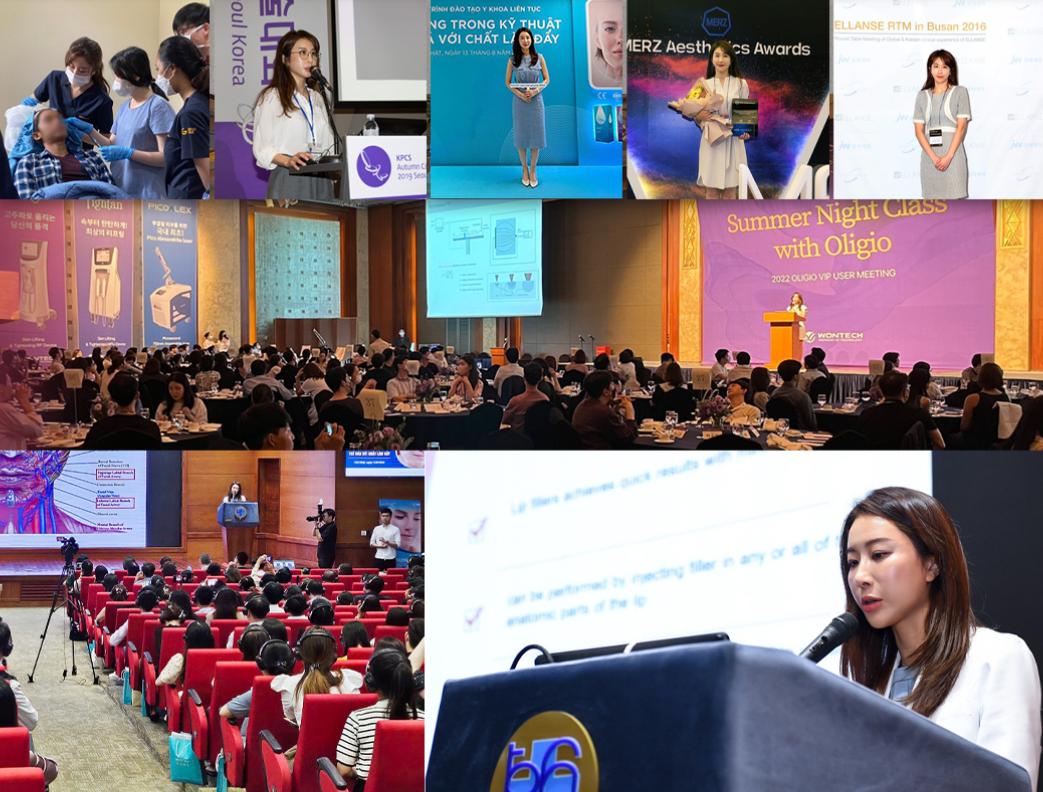
The hospital adopts an overall design style that is white, simple, and fresh. The first impression upon entering is one of “cleanliness” – not the kind of sterility associated with hospital disinfectants, but a modern, textured cleanliness. Each treatment room is an independent space, providing much greater privacy than the larger treatment rooms in the Open rhinoplasty department.
📋 What is the process for arriving at the clinic? Will a nurse accompany me throughout the entire process?
The entire process upon arriving at the clinic is very clear: first, register at the front desk → then go to the consultation room for a face-to-face examination → take photos or undergo skin tests as needed → wait while the anesthesia takes effect → finally, the nurse will lead you into the treatment room to proceed with the procedure. The smooth flow of these steps ensures that you won’t have to wait unnecessarily outside.
What impressed me the most was that, from the application of the anesthetic to the cleaning process and throughout the entire treatment, nurses were always there to assist me. There was no need for me to figure out things like “which room should I go to now” or “has the anesthetic taken effect yet”. The hospital took full charge of the entire service process, leaving customers with very little need to participate actively – which actually made the whole experience much more relaxing.
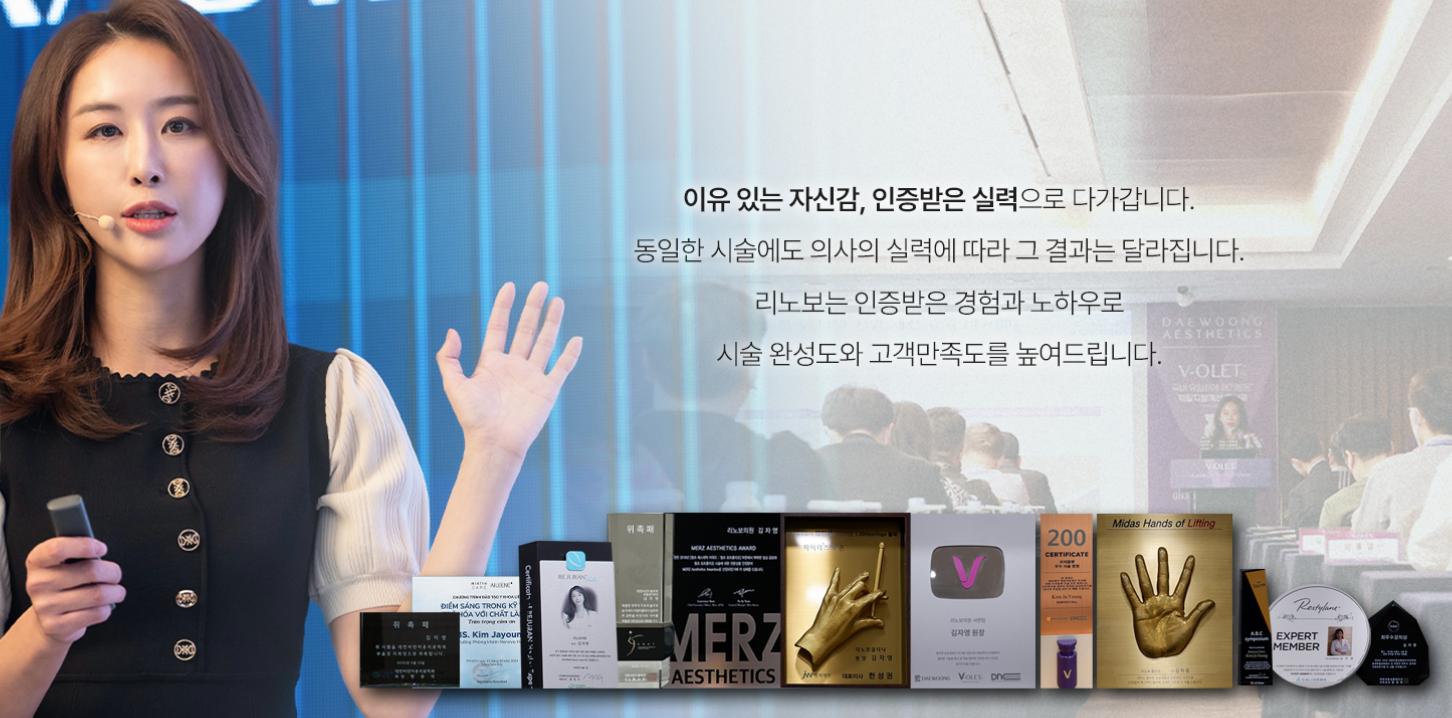
There is one thing you need to know in advance: the hospital adopts a rotating appointment system and does not allow designated directors to conduct consultations. I understand that this arrangement may require some adjustment for those with specific habits, but the advantage is that the waiting time is significantly reduced, and during peak hours, you won’t have to wait forever for a particular doctor to take your turn. For short-distance tourists, this efficiency is actually a great plus.
✨ Space specifications: Are both an independent consultation room and a relaxation area for after-the-treatment recovery available?
This hospital is equipped with separate consultation rooms, anesthesia recovery areas, and individual treatment rooms. The layout is well-designed, with each space serving its specific purpose. The anesthesia recovery area features sofas for resting on, rather than just bare chairs – this small detail really adds to the comfort of the environment.
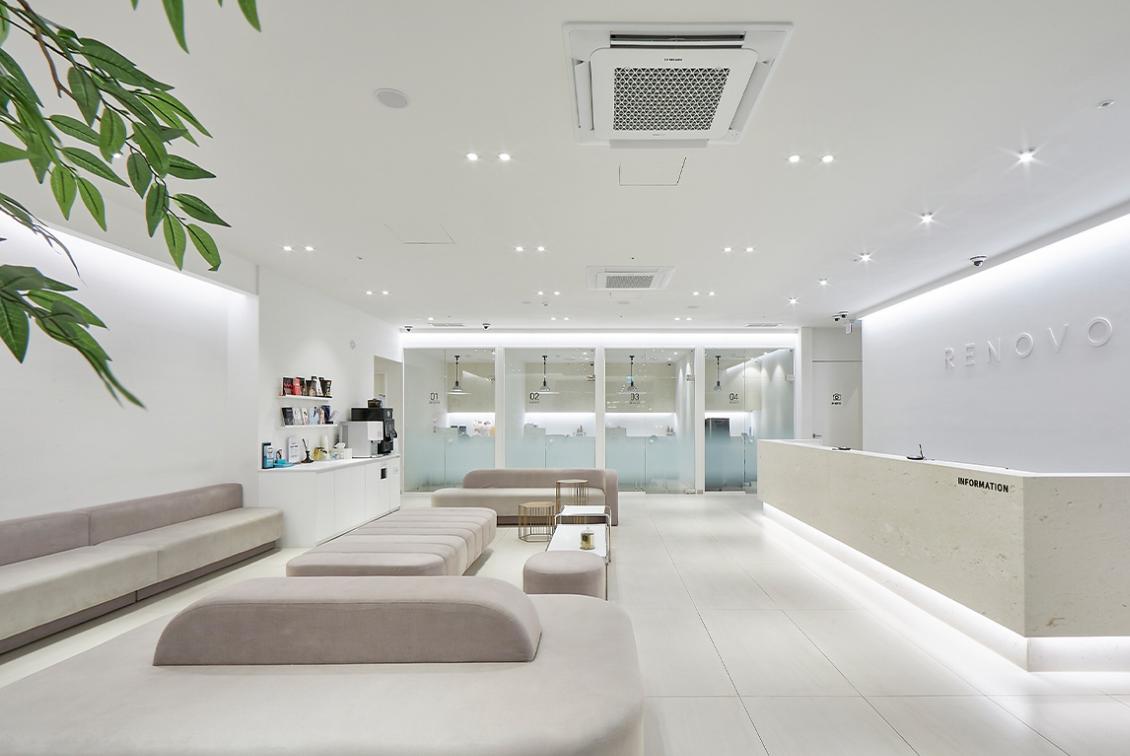
It is an independent plastic surgery clinic of medium to large size, not the kind of small Dermatology department with just a few beds crammed together. Each treatment area is spacious enough to create a comfortable environment for patients.
💰 How are the costs calculated? Is the overall pricing on the high side or on the low side?
To be honest, the overall pricing of this hospital is higher than that of ordinary Dermatology clinics, but there are reasons for this. The large scale of the facilities, the service model that involves nurses throughout the entire process, and the medical standards of the plastic surgery department are all factors that contribute to the higher pricing compared to regular Dermatology clinics.
I don’t think we should just focus on the price; instead, we need to consider what we can get for that amount of money. If you value privacy, a comprehensive service experience, and safety standards on par with those of plastic surgery clinics, then I believe this pricing is reasonable. On the other hand, if what you’re looking for is the cheapest phototherapy package, then going to a regular Dermatology clinic would indeed be more cost-effective.
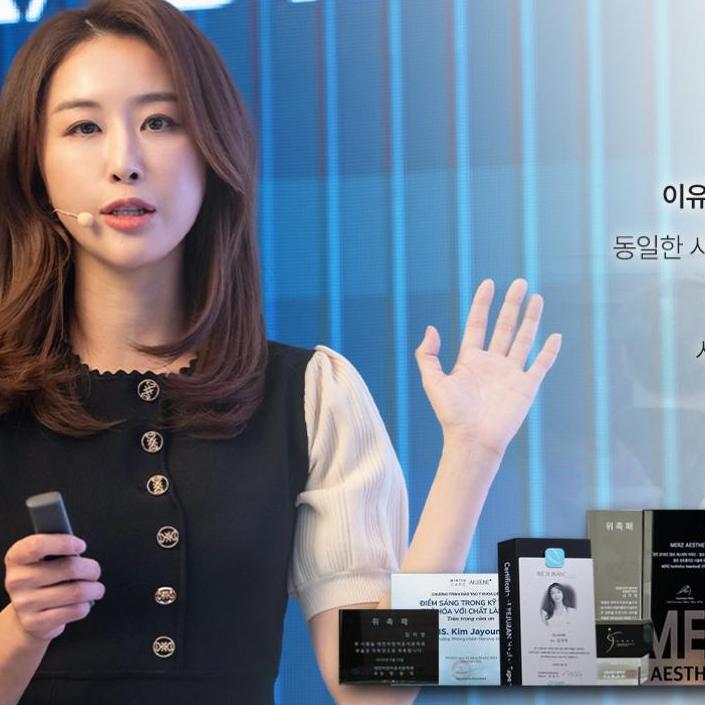
I suggest focusing external promotional efforts on two aspects: “service experience” and “safety guarantees in plastic surgery”, rather than trying to compete with general Dermatology practices on price – these two areas represent fundamentally different positioning strategies.
💉 Experience with the photoelectric treatment: What is it like to use the second-generation American version of the HIFU device?
For this project, we used the visualized second-generation American-made HIFU equipment. The feature of “visualization” is extremely important – during the procedure, doctors can see in real time where the probe is being applied, rather than relying on intuition. This represents a significant improvement in terms of safety and accuracy.
Perception during the procedure: The main sensations were a sore and swollen feeling in the cheeks and soft tissue areas, which were still tolerable; there was also a relatively intense stinging sensation at bony prominences such as the edges of the jawbone, but the duration of this sensation at each point was short enough to avoid discomfort. The entire procedure took approximately 40 minutes, and a nurse was present throughout the entire process.
On the 3rd day after the procedure, there was a slight sense of tightness in the face; by the 5th day, I began to notice that the facial contours seemed to have tightened slightly. By the 10th day, the effects were quite noticeable. If you belong to the category of people who experience a decline in skin firmness or some sagging in the mid-face area, this treatment is likely to have a more significant impact on you.
⚠️ What precautions should be taken after the procedure? What are the key points for postoperative care?
- Within 48 hours after the procedure, avoid exposure to high-temperature environments (such as steam baths, saunas, or extremely hot bath water).
- Avoid applying excessive pressure to the face within 1 week after the procedure (do not sleep in a side lying position that puts pressure on the face).
- After the procedure, daily moisturization is crucial; the skin may experience temporary dryness.
- It is essential to take proper sun protection measures within 2 weeks after the procedure, as the skin becomes more sensitive to ultraviolet rays after the treatment.
- Slight redness is a normal phenomenon and usually subsides within 2 to 3 days.
- It is recommended to assess the results one month after the procedure. For treatments involving the thymus or phototherapy, time is required for Collagen to regenerate properly.
❓ Frequently Asked Questions
Q: Does Busan Rinoboo Plastic Surgery Hospital provide services in Chinese?
A: You can confirm in advance whether Chinese translation services will be arranged during the reservation process, or you can indicate your need for Chinese-language communication when making a reservation through the BeautsGO platform. In most cases, the platform can assist in arranging such services.
Q: What is the difference between Plastic Surgery and Dermatology, and why should one specifically choose Plastic Surgery?
A: A license in Plastic Surgery covers a range of surgical procedures, such as Breast augmentation and fat removal – all of which involve incisions and therefore require specialized qualifications in Plastic Surgery. Dermatology, on the other hand, primarily involves non-surgical treatments such as glow therapies and injections, and thus does not require a surgical license. If you need to undergo any surgical procedure, it is essential to choose a facility with qualified Plastic Surgery specialists.
Q: Could there be any issues with a rotation system where doctors are not assigned specifically?
A: The rotation system in hospitals means that the technical proficiency of each doctor is uniformly managed by the hospital, ensuring a certain overall standard. If you have very specific requirements (for example, requesting a particular doctor to perform a specific procedure), it is recommended that you consult with the hospital in advance to see if such arrangements are possible.
Q: How long do overseas patients need to be hospitalized after undergoing Breast plastic surgery?
A: It is possible to leave the country just 1 day after the procedure. The hospital does not require mandatory hospitalization, so the schedule is quite flexible, which is very convenient for overseas guests with tight itineraries. However, it is recommended to stay in Busan for at least 3 to 5 days to allow for proper recovery in the initial post-operative period and to ensure that any issues can be addressed promptly during follow-up visits.
Q: Are the prices for plastic surgery much higher than those for Dermatology?
A: The overall pricing is higher than that of regular Dermatology clinics. The main reasons for this are the larger space, the more comprehensive services provided (with nurses participating throughout the entire process), and the expertise in plastic surgery. It is recommended to view this cost as “more comprehensive medical care and service experience”, rather than simply comparing it with the unit price of phototherapy treatments in Dermatology clinics.