🔊 South Korea’s HEV Dermatology HIFU: Is this equipment reliable?
When it comes to HIFU (High-Intensity Focused Ultrasound), it is undoubtedly the most popular treatment in South Korea’s aesthetic medicine market. However, despite both treatments being called HIFU, the results can vary vastly – some customers feel that their faces have become smaller after the procedure, while others report experiencing “no noticeable effect at all”. The key to these differences often lies not in the equipment itself, but in the person performing the treatment.
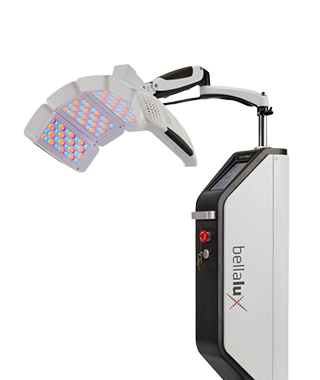
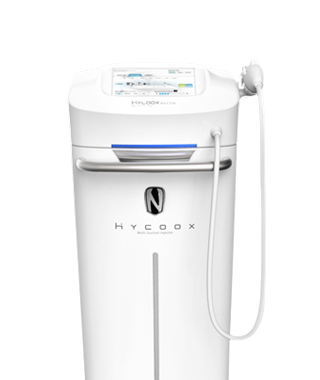
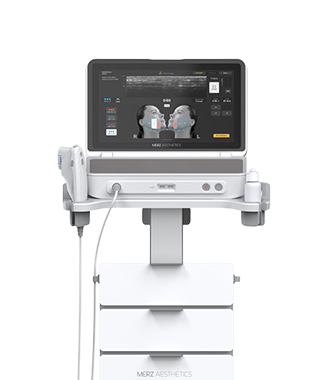
The Sinsa branch of HEV Dermatology in South Korea has introduced the Korean version of the HIFU device, the 10trip model. This device is renowned in the South Korean market for its stable energy output and advanced probe design. However, what truly sets this clinic’s HIFU program apart is not the device itself, but rather the person operating it—the clinic director.
According to the hospital’s records, one of the directors of the Sinsa branch of South Korea’s HEV Dermatology holds the “operation training qualification” for the HIFU Second Generation device. What does this qualification mean? It means that this director is not only capable of performing HIFU treatments on patients but also qualified to teach other physicians how to use the device correctly. In fact, there are only about 10 physicians in South Korea who hold this qualification.
👨⚕️ Why is the qualifications of the person operating the HIFU device more important than the device itself?
The principle of HIFU is to use focused ultrasonic waves to generate heat in the deeper layers of the skin, thereby stimulating the contraction and regeneration of Collagen and achieving a Lifting and tightening effect. Although the principle seems simple, there are numerous variables involved in its actual application:
- Control of energy intensity: Different skin thicknesses and different areas (Forehead, cheeks, jawline) require varying levels of energy intensity. Applying too much energy to areas with thinner bones can cause pain and side effects.
- Selection of probes: Probes with different depths of 4.5mm, 3.0mm, and 1.5mm should be carefully selected based on the customer’s skin condition and desired results.
- Control of the duration of exposure: The duration of exposure at each point determines the total amount of energy transferred. If the time is too short, insufficient energy will be delivered, resulting in inconspicuous effects; if the time is too long, burns may occur.
- Design of the injection route: Experienced doctors will design the most optimal injection route based on the patient’s facial structure, to avoid issues such as an “oil-paper face” or uneven results.
For such technical details, ordinary practitioners may only need to complete basic training before starting to work. However, true experts are those who are able to find the optimal balance among the client’s facial structure, age, and skin condition. The director of HEV Dermatology in South Korea is precisely such an expert.
⏱️ A comprehensive analysis of the duration of effects achieved by HIFU in Dermatology in South Korea
The appearance of the results after HIFU treatment follows a rather unique time course; it’s not as simple as “getting V-shaped cheeks immediately after the procedure”.
- 1–2 weeks after the procedure: In the initial stages, there may be mild redness and tenderness; some clients may feel that their face appears a bit “taut.” The changes observed during this phase are not very noticeable.
- 1–3 months after the procedure: This is the peak period for the production of new Collagen. During this time, you will notice that the contours of your face gradually become clearer, and the jawline begins to tighten. This stage is truly the most rewarding part of the process.
- 3 to 6 months after the procedure: The effects continue to improve, reaching their optimal state. The specific duration varies from person to person.
- 6 to 12 months after the procedure: The effects begin to diminish gradually, but a certain degree of improvement is usually still maintained.
- After 12 months: Most customers need to receive another treatment to maintain the optimal results.
If proper care is taken (such as adequate sun protection, avoiding excessive weight loss, and maintaining a healthy lifestyle), the effects can last longer. It is important to note that the effectiveness of HIFU is closely related to the amount of energy used, the number of treatments administered, and the treatment area. Packages with excessively low prices often mean that the number of treatments has been reduced, resulting in significantly diminished effectiveness.
😣 A true account of the pain experienced during HIFU treatment at a Dermatology clinic in South Korea: Is it really that painful?
The pain associated with HIFU is a concern for many people. What is the actual level of pain when undergoing HIFU treatment at HEV Dermatology in South Korea?
According to feedback from patients who have undergone the treatment, the pain level during HIFU treatments at the Sinsa branch of South Korea’s HEV Dermatology is considered to be “tolerable”. The main reasons for this are as follows:
- The HIFU treatment offered by this clinic includes the use of a pre-operative anesthetic ointment, which is applied for approximately 30 minutes and can significantly reduce discomfort in the epidermis.
- Deans who possess the qualifications for instructional guidance in medical aesthetics are able to control the energy more precisely. In areas where bones protrude, they will appropriately reduce the amount of energy used to minimize any discomfort.
- The Korean-made 10trip HIFU device used in this hospital has seen improvements in pain control compared to earlier versions.
The areas where the pain is most intense are usually along the jawline (where the bones protrude) and near the temples. When injections are administered in these areas, there is a noticeable sensation of soreness and mild stinging. However, this discomfort is temporary and will subside shortly after the procedure is completed.
In summary, the pain associated with the use of HIFU at South Korea’s HEV Dermatology can be considered relatively mild compared to other similar treatments. Of course, individual experiences may vary, so those who are particularly sensitive to pain are advised to discuss this in advance with the clinic director.
📋 Precautions after HIFU treatment at South Korea’s HEV Dermatology clinic
Postoperative care after HIFU treatment is of utmost importance, as it directly affects the outcome of the treatment and the duration of its effects. The following are the precautions that the director of the HEV Dermatology Institute in South Korea particularly emphasizes:
- Within 24 hours after the procedure: Avoid washing your face with hot water, and do not go to places with high temperatures (saunas, steam baths, hot yoga).
- Within 1 week after the procedure: Avoid using skincare products containing acids (such as retinol, fruit acids, or salicylic acid), and also refrain from exfoliating your skin.
- Within 2 weeks after the procedure: Avoid excessive massage of the face and refrain from undergoing any other high-intensity treatment using electronic devices.
- Sun protection: It is essential to strictly avoid exposure to the sun within 1 month after the procedure. Use sunscreen with an SPF of 50+ and reapply it regularly.
- Moisturization: Strengthen moisturizing care to promote the regeneration of Collagen.
- Avoid excessive weight loss: Within 1 to 3 months after the procedure, avoid drastic weight loss, as a rapid decrease in weight can affect the durability of the results.
- Avoid smoking and excessive alcohol consumption: These habits can accelerate the loss of Collagen and shorten the duration of the effects.
📊 Suitable and Unsuitable Candidates for HIFU Treatment at South Korea’s HEV Dermatology Clinics
✅ Suitable candidates for HIFU treatment at South Korea’s Dermatology clinics:
- For those whose facial contours have begun to loosen and whose jawlines are no longer well-defined
- Skin in middle-aged and older adults with sagging Apple Zone and deepened Nasolabial Fold Correction
- Those who hope to achieve Lifting effects on their face without undergoing surgery
- People who have a basic understanding of HIFU and have reasonable expectations regarding its effects
- Those who can properly apply sun protection and maintain skin hydration after the procedure
❌ Not suitable for the following groups of people:
- People with severe infections or skin conditions on their faces
- Pregnant women and lactating mothers
- People who have fillers or implants on their faces (must inform the director in advance for an assessment)
- Customers who expect to achieve the same results as surgical facelifts through just one HIFU treatment have unrealistic expectations.
- Short-term visitors from South Korea: The effects of these treatments take some time to become apparent, and it is not possible to monitor the post-treatment care during a single short-term visit.
❓ Frequently Asked Questions
Q: How many HIFU treatments are required for one session at HEV Dermatology in South Korea?
A: The standard HIFU treatment for the entire face usually involves 200 to 400 treatments. The exact number of treatments required will be determined by the director of the clinic, based on the patient’s facial structure and desired results. At the Sinsa branch of HEV Dermatology in South Korea, the director will conduct a personalized assessment during the initial consultation to ensure that the number of treatments and the energy level used achieve the best possible results.
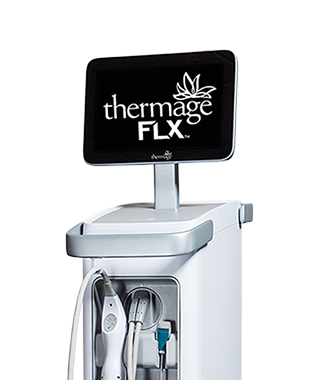
Q: What is the difference between HIFU and Thermage?
A: The principles of the two treatments are different. HIFU acts on the SMAS layer by focusing ultrasonic waves to generate heat energy, focusing primarily on Lifting; Thermage (radiofrequency) acts on the dermis layer, promoting the production of new Collagen and enhancing skin tightness. Depending on an individual’s specific skin concerns, the clinic director will recommend the more suitable treatment option.
Q: How long does it take to see the results after HIFU treatment?
A: The initial effects begin to appear 2 to 4 weeks after the procedure, while the optimal results are usually seen 2 to 3 months after the surgery. The duration of these effects varies from person to person, but generally ranges between 12 and 18 months.
Q: How many times can HIFU be used in a year?
A: It is recommended to wait at least 12 months between each HIFU treatment, as too frequent sessions may cause damage to the skin.
Q: Why are there only 10 physicians in South Korea who possess the qualifications to teach HIFU operation?
A: This qualification requires verification by the manufacturer, and the application requirements are quite stringent. These include the duration of clinical experience, the number and quality of cases performed, as well as the level of expertise in new technologies. Obtaining this qualification signifies that the physician has met the highest technical standards in the field of HIFU.