What is one’s greatest fear when going to South Korea for cosmetic procedures for the first time? It’s not the high cost or language barriers, but rather being pushed into what I call “factory-style clinics” – those places where you get a 30-second consultation, then someone else takes over to perform the procedure, and you can’t even remember the name of the doctor. Those are the real pitfalls one should avoid at all costs.
So, without any formalities, this article will directly compare the services offered by Dcard, PTT, REDnote, and Naver to clearly address the question of whether DAN-A Dermatology operates on a assembly-line basis. The article includes price comparisons, detailed real-user experiences, and five important tips to help you avoid potential pitfalls before making a decision to visit DAN-A Dermatology.
To conclude: DAN-A Dermatology in Myeongdong has been operating in the Myeongdong area for 14 years and is one of the very few clinics on Dcard that are labeled as “non-conveyor-line system + personal consultations by the director.” However, it is not without its flaws—if you are not prepared for the difficulty of making appointments, the busy schedules on weekends, or the need to communicate using professional medical terms in Chinese, you may still encounter some problems.
What is a “factory-style clinic”? Understand these 5 red flags at a glance.
⚠️
Before consulting DAN-A, it’s important to understand what a “factory-style clinic” actually means. This term is not derogatory in any way, but it directly determines whether your medical beauty experience will be treated with care and attention or merely handled in a quick and efficient manner. If you notice 3 or more of the following red flags, you should be alert:
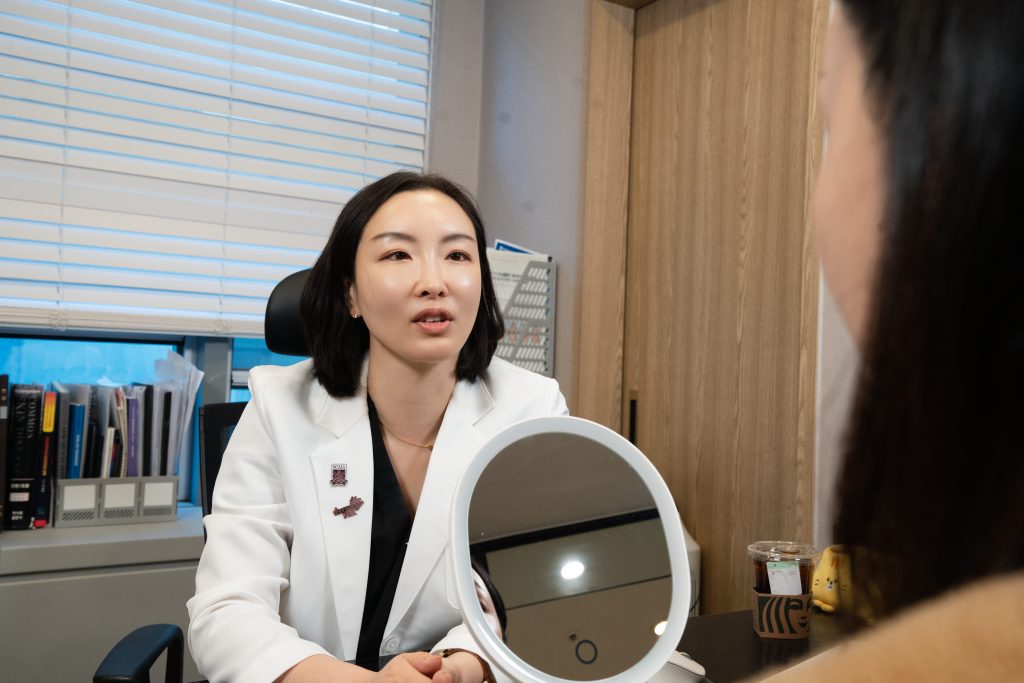
- Within just 3 minutes of the consultation, the doctor quickly recommended a treatment package without asking about your allergy history, conducting any skin tests, or explaining the potential risks after the procedure.
- The person performing the procedure is not a physician who conducts a face-to-face consultation. In fact, the physician may lie down during the procedure, and someone else—perhaps a nurse—will then operate the laser or administer the injections. This practice falls into a gray area under South Korea’s regulations regarding cosmetic medical treatments.
- The prices are opaque, and they vary depending on the customer – there is no fixed price list. Foreigners are charged 30-50% more than local residents of South Korea, and written quotes are refused to be provided.
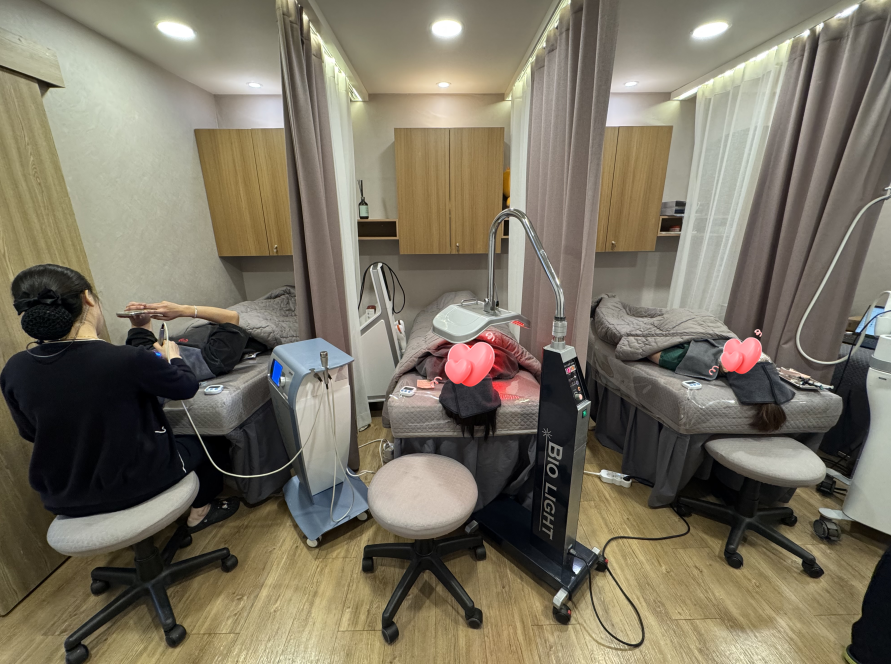
- The treatment room resembles an examination room, where multiple people are working simultaneously. You are only separated from the patient in the next bed by a curtain. Doctors move quickly between each bed, and during a single consultation, they may attend to 5 or 6 patients at once.
- After the procedure, there is no follow-up mechanism – once it’s over, you just pay and leave. There are no post-procedure care packages, no WeChat groups for follow-up, and if anything goes wrong, you have to rely on Google to find solutions on your own.
These five red flags are particularly common in tourist areas such as Myeongdong and Gangnam. Clinics in these areas understand that a single visit may not lead to repeat business, so they focus not on building a good reputation but rather on attracting customers.
Dcard Fact Check: Is DAN-A Dermatology really just a mass-production model?
📱
After reviewing over 80 genuine reviews on four platforms – Dcard, PTT, REDnote, and Naver – I can say with certainty that DAN-A is not just another standard operation. But it’s also far from being some perfect miracle shop. The following is an objective summary based on these comparative analyses.
Positive feedback about Dcard (accounting for approximately 75%):
- “The dean handled everything from start to finish himself – from the initial consultation to the actual procedure; it was always the same person doing it, so there was no issue of someone else taking over midway.” This is also the core advantage that DAN-A has received the most discussions about on Dcard.
- “The consultation takes at least 15 to 20 minutes. The director will actually listen to your entire description before giving any suggestions and won’t rush you.”
- “We won’t force customers to opt for expensive treatments. I originally planned to have the HIFU procedure, but the hospital director advised me to try basic management measures first to see how they work.”
- “The Line group after the surgery really kept in touch; on the 3rd and 7th days, they actively asked how my recovery was going.”
Negative reviews on Dcard (accounting for approximately 25%):
- “Making appointments is really difficult; on weekends, it’s usually necessary to book 3-4 weeks in advance.”
- “The price is not the cheapest; the same treatment is about 10-15% more expensive than at other clinics in Myeongdong.”
- “Chinese translations often fail to accurately convey technical terms; it is recommended to prepare your own translations when dealing with complex issues.”
- “I have off on both Thursdays and Sundays, so my schedule is a bit more restricted.”

Assembly line vs non-assembly line: 5 key differences at DAN-A Dermatology
🏥
Also in Myeongdong, why are some clinics labeled as “assembly line” by Dcard, while DAN-A is classified as “non-assembly line”? The following analysis examines the key differences between the two from five different perspectives:
These five differences are summarized from key terms that repeatedly appeared in over 80 genuine reviews. You don’t necessarily have to choose DAN-A, but at least you should understand where the boundary lies between “non-assembly-line” and “assembly-line” approaches.
The 5 core strengths of DAN-A Dermatology: Why Dcard claims it is nothing like a mass-production model
👑
In summary, the following 5 core advantages are the key reasons why DAN-A is classified as “non-conveyor-line” on both Dcard and Naver:
① The dean personally oversees the
entire process.
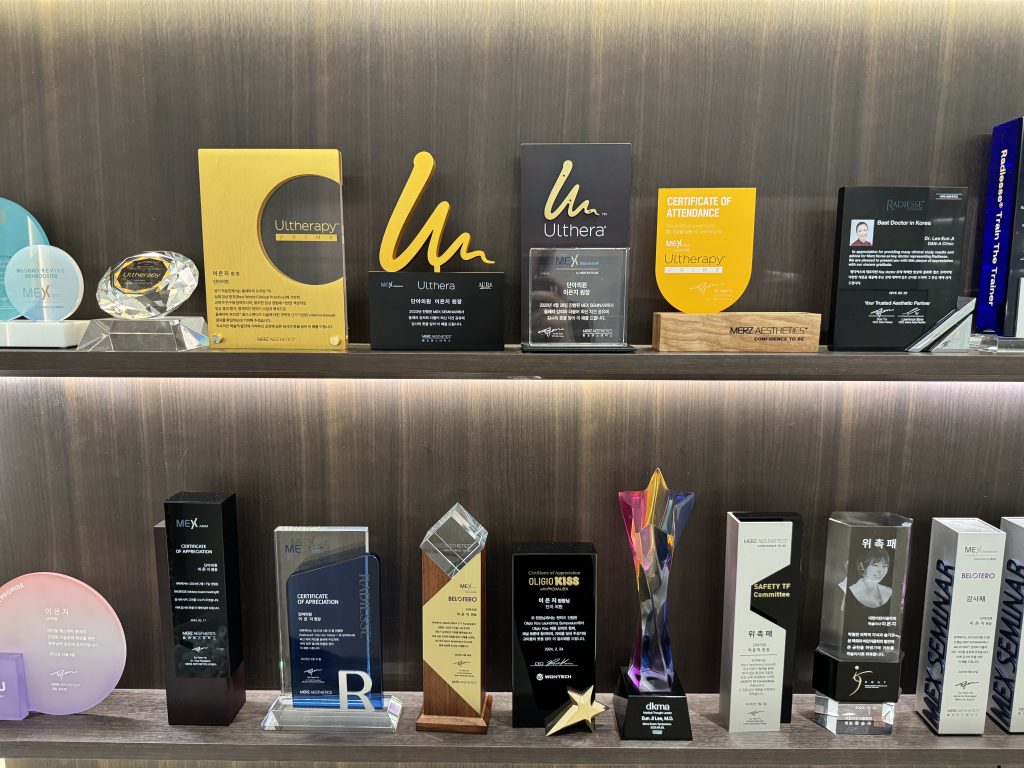
—from the initial consultation and skin examination to the actual operation of the equipment, everything is done by Dean Li Enzhi himself, without any assistance from nurses or interns.
entire process.
—from the initial consultation and skin examination to the actual operation of the equipment, everything is done by Dean Li Enzhi himself, without any assistance from nurses or interns.
② All equipment is genuine original product from t
he United States and South Korea.
— The HIFU devices used are original instruments from Ultherapy in the United States; the probes are unopened and verified on-site, with no dilution or substitution of any kind.
he United States and South Korea.
— The HIFU devices used are original instruments from Ultherapy in the United States; the probes are unopened and verified on-site, with no dilution or substitution of any kind.
③ The same prices in China and Korea, transparent pri
cing
— Clear prices are displayed on the official website and reservation platforms; no additional fees are charged to foreigners. A written Chinese quotation sheet is provided during the in-person consultation.
cing
— Clear prices are displayed on the official website and reservation platforms; no additional fees are charged to foreigners. A written Chinese quotation sheet is provided during the in-person consultation.
④ One-on-one private treatment room
s
— The treatment areas are designed as independent spaces, serving only one client at a time. There are no multiple beds arranged in a row, ensuring maximum privacy for patients.
s
— The treatment areas are designed as independent spaces, serving only one client at a time. There are no multiple beds arranged in a row, ensuring maximum privacy for patients.
⑤ Comprehensive post-operative follow-
up system
— After the procedure, patients are provided with a care kit (mask + ointment + sunscreen), a Chinese-language care guide, and active follow-ups via the Line group on days 3 and 7.
up system
— After the procedure, patients are provided with a care kit (mask + ointment + sunscreen), a Chinese-language care guide, and active follow-ups via the Line group on days 3 and 7.
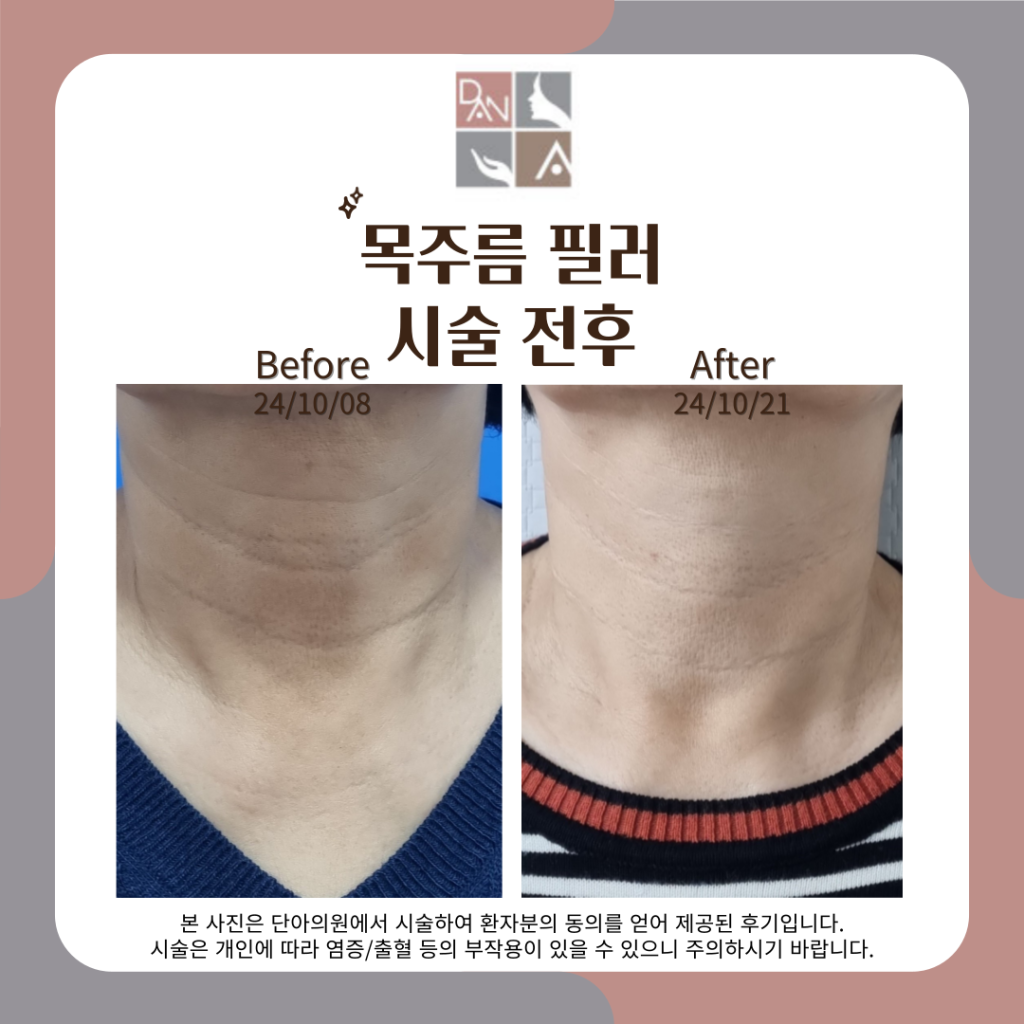
Reference prices for DAN-A’s popular services: The prices are the same as those in Korea; please convert the Taiwanese dollars once for reference.
💰
The prices listed below are the latest information from 2026, obtained through cross-referencing multiple sources. DAN-A adopts a pricing strategy of “equal prices for Chinese and Korean customers,” and will not charge higher fees just because you are a foreigner—something that is quite rare in the Myeongdong area. The exchange rate used is ₩10,000 ≈ NT$225.
Compared with similar clinics in Taiwan, the cost of HIFU treatment ranges from NT$120,000 to NT$180,000, while DAN-A’s service only costs NT$36,000 – resulting in a price difference of NT$80,000 to NT$140,000. Even if travel expenses and accommodation are taken into account, the total cost of undergoing advanced anti-aging treatments in South Korea is still 40% to 60% lower than that in Taiwan.
Suitable or not suitable: Check these 6 points before going to DAN-A.
👭
The following table provides a quick way for you to determine whether DAN-A is right for you. These categories are based on actual evaluations from users on Dcard and are not merely marketing slogans.
| ✅ Suitable for DAN-A | ⚠️ Not recommended for certain individuals |
|---|---|
| We place great emphasis on in-person consultations by doctors: we cannot accept that the procedure be performed by someone else; we insist that the same doctor be responsible for both the initial examination and the injection. | Pursuing the lowest price: Only concerned about cost and not service quality – there are clinics in Myeongdong that charge 10-15% less than DAN-A. |
| Those with specific skin issues such as acne, acne scars, or pigmentation problems who require customized treatment plans. | Thinking about undergoing plastic surgery? DAN-A specializes in skin care services and does not offer surgical procedures such as Double eyelid surgery or nose augmentation. |
| Those who value privacy and a comfortable experience – individuals who prefer not to receive treatment in a crowded room and need their own independent space. | The “walk-in” policy: No advance reservations are accepted; DAN-A prefers walk-ins. Therefore, it is usually necessary to book tickets for DAN-A 3 to 4 weeks in advance on weekends. |
| Those who have done their homework before the procedure: those who are able to understand the basic terminology on their own and are willing to spend time having in-person consultations and discussions. | No knowledge of Korean/English: Although Chinese services are available, understanding specialized terminology still requires a basic level of language proficiency. |
| You can schedule appointments from Monday to Wednesday: Avoid the crowds on weekends and enjoy a better experience on weekdays, as you will have more time for consultations. | I can only go on Thursday or Sunday: DAN-A is closed these two days, so my plans are completely disrupted. |
| Willing to spend a bit more for quality: I agree with the consumption philosophy that “it’s a bit more expensive, but it brings much more peace of mind.” | The desire to get everything done in one stop: People hope to receive skin care treatments, plastic surgery, and Dental services on the same day, but currently, this requires visiting multiple clinics and scheduling appointments separately. |
The above comparison can serve as a preliminary screening reference. If you find that you fall more on the left side of the spectrum, then DAN-A is likely the right choice for you; if you tend to be on the right side, don’t force it either—there are other types of clinics in Myeongdong that you could consider.
Summary of the advantages and disadvantages of DAN-A Dermatology in Myeongdong: To be honest, no support or assistance is provided.
🧳
After reading the detailed analysis above, the following comparison table of advantages and disadvantages will help you draw a final conclusion. All the information comes from genuine reviews, without any filtering or exaggeration.
| ✅ The advantages of DAN-A | ⚠️ DAN-A’s Disadvantages/Precautions |
|---|---|
| ✅ The director personally examines every patient throughout the entire process, without delegating tasks or letting others perform the examinations on their behalf. | ⚠️ Reservations are quite difficult to secure; it is recommended to book 3-4 weeks in advance on weekends. |
| ✅ The same price as in China; written quotes are available in Chinese. | ⚠️ The prices are approximately 10-15% higher than those of similar services in Myeongdong; it’s not the cheapest option available. |
| ✅ Genuine original equipment from the US and South Korea; the probes are unpacked on-site for verification. | ⚠️ Thursdays and Sundays are off, so the flexibility of travel schedules is limited. |
| ✅ Postoperative follow-up in the LINE group: show active concern on days 3 and 7 | ⚠️ The accuracy of translating professional terms into Chinese could be further improved. |
| ✅ Private consultation rooms and one-on-one services ensure excellent privacy. | ⚠️ There is only one store in Myeongdong; no other branches are available. |
Before visiting DAN-A Dermatology in Myeongdong, be sure to understand these 5 important points first.
⚠️
⚠️
Pitfalls I’ve encountered: 5 common misunderstandings about DAN-A
Pitfalls I’ve encountered: 5 common misunderstandings about DAN-A
⚠️ Mistake 1: Thinking that “Chinese-language services” mean “zero communication barriers”
The front desk staff can handle everyday conversations in Chinese without any problems, but when you ask about professional terms such as “SMAS fascial layer depth” or “concentrated focal energy parameters”, their translation skills may fail. This is not a problem unique to DAN-A; it is actually a common phenomenon in the Chinese-language services provided by medical beauty institutions in South Korea.
→ How to avoid it: Before you set off, use Google Translate to prepare a Chinese-English-Korean glossary of the terms you want to ask about, and show it directly to the doctor during the consultation.
⚠️ Mistake 2: I only went on the weekend, but ended up not being able to get a reservation at all.
Many people in Taiwan are used to scheduling surgeries on weekends, but DAN-A is only open until 5 p.m. on Saturdays and closes on Sundays. With just one director and one independent clinic, the number of patients they can receive each day is limited. During the summer vacation and the cherry blossom season, the weekend schedules often fill up a month in advance.
→ How to avoid it: Try to schedule appointments during weekdays, from Monday to Wednesday. Not only is it easier to get a appointment, but you will also have more time for the consultation (since the director is not busy on weekdays).
⚠️ Pit 3: Only comparing prices without considering service quality; you’ll regret not choosing DAN-A after the procedure is completed.
Indeed, there are clinics in Myeongdong that charge 10-20% less than DAN-A, but behind these lower prices often lie factors such as therapists operating lasers simultaneously for multiple patients or the lack of private treatment rooms. Many reviews on Dcard mention, “I tried to save money by going to these ‘factory-style’ clinics, only to find that the experience was far inferior.”
→ How to avoid it: If your budget allows it, prioritize quality over price; if your budget is truly limited, at least make sure that the person performing the procedure is a doctor, not a nurse.
⚠️ Pit 4: Using an agent to make a reservation only to end up at a fake DAN-A clinic
Some agencies online claim to be able to help you “save money by booking a consultation with DAN-A”, but in reality, they might lead you to another clinic that offers something different from what it promises. There are many clinics in Myeongdong with similar names, making it difficult for foreigners to distinguish between the genuine ones and those that are fake.
→ How to avoid it: Make reservations only through official channels – either the BeautsGO platform or the clinic’s official website – and never use any third-party agencies. Be sure to verify the address: 3rd Floor, Arnuvo Centum, 21 Myeongdong 7-ro.
⚠️ Warning 5: Going on a trip right after getting cosmetic surgery only to experience unexpected complications during the recovery period.
Many people, after undergoing HIFU or DAN-A treatments at DAN-A, think that since their faces don’t turn red or swell, they can go shopping, eat spicy fried rice cakes, or drink soju without any issues. However, the next day, their faces end up swelling, and they blame the clinic for not giving them any warnings. In fact, DAN-A’s post-treatment guidelines are very clear—it’s simply because their schedule was too aggressive.
→ How to avoid it: On the day of the procedure, plan a relaxing schedule (such as visiting a café, bookstore, or resting in a hotel), and reschedule shopping activities for the day before the treatment. Avoid alcohol and spicy foods within 24 hours after the procedure.
How to make an appointment at DAN-A Dermatology in Myeongdong? A practical comparison of 3 methods
📱
DAN-A operates on a fully reservation-based system and does not accept walk-in customers. Below is a practical comparison of the three most common reservation methods:
| How to make an appointment | Response speed | Suitable for | Precautions |
|---|---|---|---|
| BeautsGO Platform | Within 24 hours | It’s my first time visiting; I need a Chinese-language interface. | Highly recommended – fully Chinese-language operation. |
| WeChat: Hannah972 | 2 to 12 hours | Requires human customer service; has special requirements. | Can help coordinate during special periods. |
| Clinic official website / Instagram | Within 24 to 48 hours | I can speak Korean, and I don’t have any rush. | With the Korean interface, responses are a bit slower. |
Recommended approach: First, use BeautsGO to check available appointment times → After selecting the target date, contact Hannah972 on WeChat for final confirmation and detailed communication. It’s safer to proceed using both methods simultaneously, especially if this is your first time undergoing medical beauty treatments in South Korea.
💬 WeChat reservation: Hannah972
Chinese cus
tomer service will respond immediately.

Frequently Asked Questions
Q: Is DAN-A really not just a standard production line? Are there any actual evidences to support this?
A: Based on a cross-re comparison of over 80 genuine reviews on Dcard and Naver, it is clear that DAN-A is not a standard, mass-produced clinic. Key evidence includes: ① The director personally handles the entire process, from consultation to treatment; ② The consultation takes 15–20 minutes (whereas in standard clinics, it usually takes only 1–3 minutes); ③ Each independent treatment room serves only one customer at a time; ④ There is ongoing follow-up in the post-treatment LINE group. However, it should be noted that these findings are based on current reviews, and individual experiences may vary depending on the time period and specific treatment options.
Q: Which is better, DAN-A or other clinics in Myeongdong, such as umi UMI and itsme?
A: These three clinics all have high ratings on Dcard and are not part of any mass-production medical chain, but they target different customer segments. DAN-A follows a “high-quality, established brand” approach, focusing on anti-aging treatments (HIFU, Thermage) and skin care; UMI umi adopts a “high cost-performance ratio” strategy, offering basic treatments at more affordable prices; itsme伊瓷美 focuses on a “youth-oriented” approach, with excellent reviews for its injectable treatments and whitening services. It is recommended to choose based on your specific needs and budget, rather than simply following the trend of “which clinic is the most popular”.
Q: Does DAN-A charge extra for foreign customers?
A: No. DAN-A adopts a pricing strategy of “same prices for both Chinese and Korean customers,” without any differences based on nationality. During in-person consultations, a written Chinese quotation sheet is provided, making all fees clear at a glance. This is one of the key reasons why it has earned such high trust on Dcard.
Q: Can I go shopping on the same day after having the HIFU treatment?
A: Theoretically, it’s possible. Since there are no obvious scars or swelling after the HIFU procedure, many people go straight to Myeongdong to shop afterwards. However, the following recommendations are advised: ① Avoid alcohol and spicy foods within 24 hours after the procedure; ② Refrain from using steam saunas or other similar facilities; ③ Choose light activities rather than prolonged outdoor pursuits. If you have undergone treatments such as hyaluronic acid injections or procedures that involve incisions, it is best to return to your hotel and rest on the same day.
Q: Is it really worth taking a separate flight just to undertake one small procedure, such as LDM cleansing?
A: It’s not worth it. Although the LDM treatment only costs ₩100,000 (about NT$2,250), which is half the price in Taiwan, the cost-effectiveness of flying to South Korea just for basic maintenance procedures is too low. It’s more advisable to include DAN-A in your trip to South Korea and opt for anti-aging treatments such as HIFU, Thermage, or Pico treatments. The price difference between these treatments in Taiwan and South Korea can range from NT$80,000 to NT$140,000, which is more than enough to cover the cost of airfare and accommodation.
Q: Can I use a credit card? Will I need to exchange a large amount of South Korean won?
A: DAN-A supports payments via Alipay, WeChat Pay, UnionPay cards, and South Korea credit cards, so there is no need to exchange a large amount of South Korean won. It is recommended to prepare a small amount of South Korean won (about ₩50,000 to ₩100,000) as a backup; for all other transactions, you can simply use your card. If you need to claim a tax refund after the procedure (for transactions exceeding ₩30,000), be sure to request a tax refund receipt.
Related recommendations
📌
- Many people on Dcard are asking: Is DAN-A Dermatology in Myeongdong really worth visiting? Here is my honest review after actually going there.
- 【2026 Myeongdong DAN-A Price List】All prices for hyaluronic acid treatments, fillers, and wrinkle removal procedures are openly listed, with the same rates in both China and Korea. No more worries about getting overcharged when making appointments!
- While shopping at Haeundae, why not take the opportunity to get a facial treatment? For online appointments at Busan Floria Dermatology, I always use BeautsGO. If you have any questions about the travel permit, just contact Hannah972 on WeChat.
- Should I go for it or not? We have gathered a huge number of real reviews about “Dexia Dermatology dcard” – this article is a must-read before you travel to South Korea.
- Avoid pitfalls! A guide to Dermatology clinics in Myeongdong, South Korea: What’s the difference between mass-produced clinics and high-end specialized hospitals? A must-read for first-time visitors.
- 2026 Myeongdong Dermatology Recommendations: A Comprehensive Guide to Dcard – Reviews and Price Comparisons of 5 Popular Clinics Including DAN-A, umi, Yici Meimei, lovae, and Carat