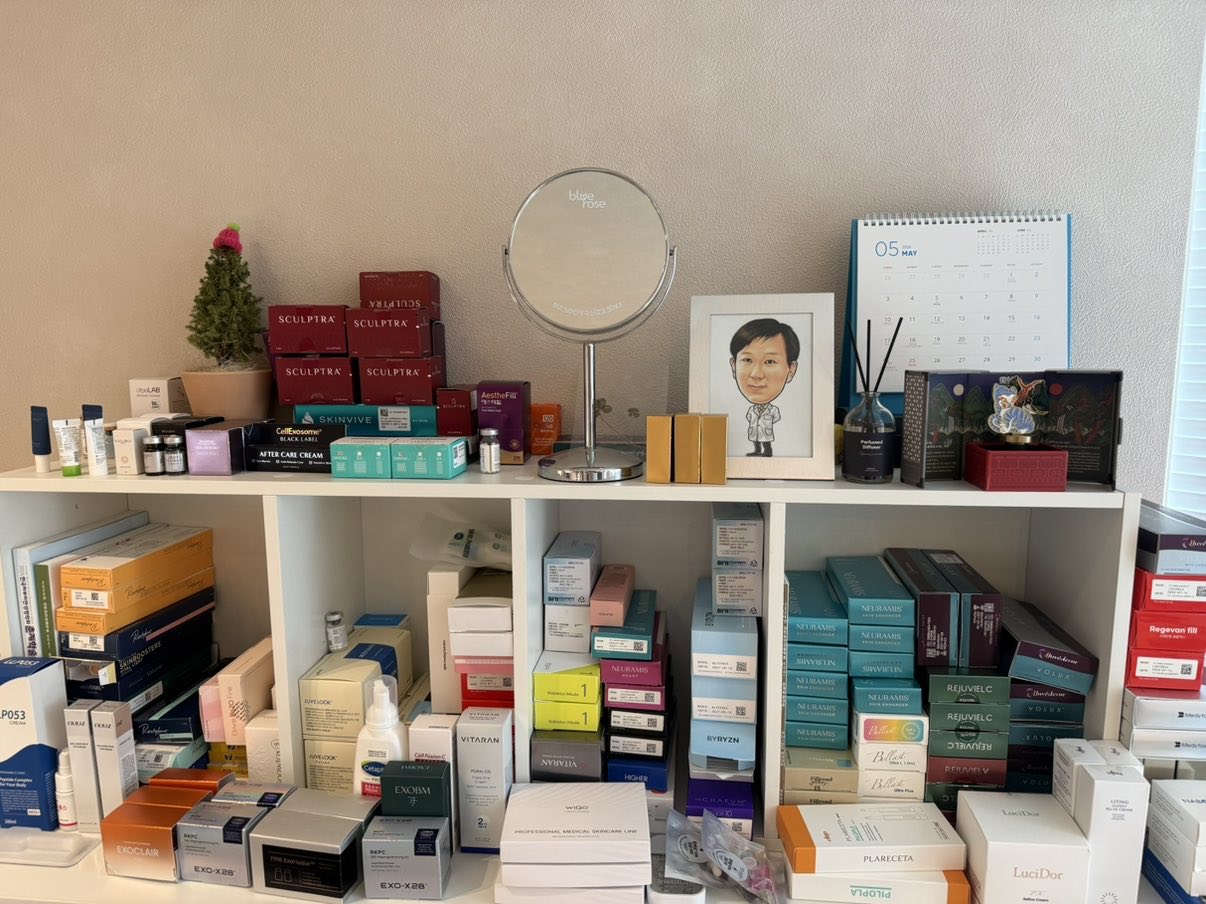
To be honest, before heading to South Korea for cosmetic procedures, I was so nervous that I suffered from insomnia for an entire week. I was worried about language barriers, being treated poorly, and not getting the results I expected—fears that I’m sure anyone reading this article can relate to. But a month after the procedure, I can confidently say, “If you choose the right clinic, getting cosmetic treatments in South Korea is truly worth making the trip just for it.” This article details my entire experience at It’s Me Clinic in Cheongdam, from scheduling the appointment, going through the treatment, to one month post-procedure. All my genuine thoughts and cost breakdowns are shared here, in hopes that it will help those like me who want to look better but are afraid of making a bad choice.

Why Choose Eci Beauty? How to Make the Right Choice for Your First Medical Aesthetic Treatment in Seoul
💡
After deciding to go to South Korea for cosmetic procedures, I spent about two weeks scrolling through posts on Dcard, PTT, REDnote, and Threads. My filtering criteria were simple: I ruled out all clinics that operated like mass-production factories, focusing instead only on those run by the doctors in person, without any sales pressure, and offering a private and comfortable environment. After narrowing down three candidates, I chose Echimee in Cheongdam after making actual inquiries—here’s why:
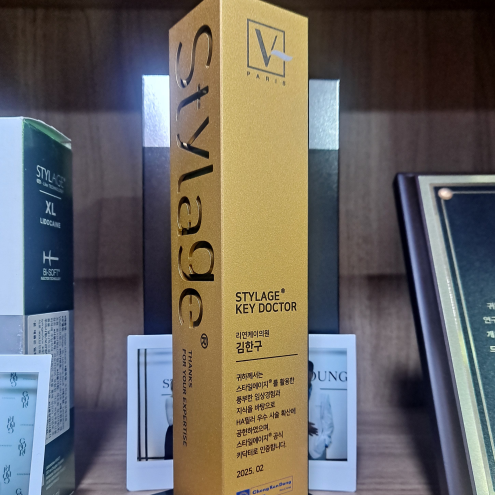
First, Dr. Kim is an officially certified instructor for Sculptra by the manufacturer, with over 20 years of clinical experience in the Apgujeong area. This isn’t one of those clinics where a nurse just gives you a quick treatment and leaves—you’ll spend at least 20 minutes in your initial consultation, during which Dr. Kim will personally go through your VISIA test results and explain each metric to you in detail. Second, this clinic doesn’t push sales aggressively. When I asked about three different procedures, Dr. Kim suggested I start with basic treatments instead of immediately recommending the most expensive package. This cautious approach only made me trust them even more. Third, the clinic is located just 2 minutes’ walk from Exit 5 of Apgujeong Rodeo Station, so after your treatment, you can head straight to Cheongdam-dong for some shopping—making it perfect for combining treatments with sightseeing.
The Atmosphere and First Impression at Cheongdam E-Ji Beauty Dermatology
🏥
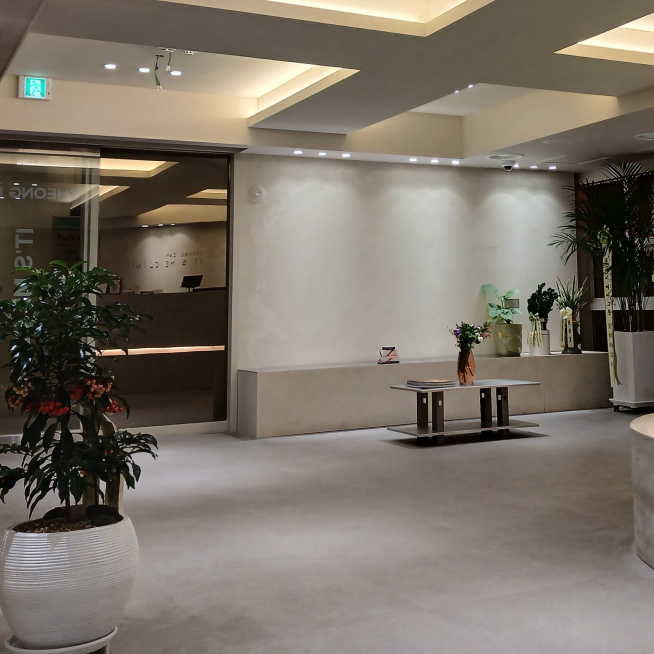
Exit No. 5 at the Apgujeong Rodeo Station, then turn into the side alley — you’ll arrive in about 2 minutes. Eecui Dermatology is located on the 3rd and 4th floors of the Hanju Building. Its entrance is so unassuming that it’s easy to miss — yet it’s precisely this “hidden” quality, requiring you to know where it is to find it, that gives me a sense of reassurance even before stepping inside (at least it’s not like some clinics in Myeongdong where the entire floor is packed with tourists).
Upon entering the clinic, my first impression was, “This doesn’t feel like a hospital at all—it’s more like a high-end private salon.” The entire space is dominated by a milky white marble theme. The waiting area isn’t large but offers great privacy—there’s no awkwardness of people sitting in rows, eyeing each other to see what procedures others have undergone. The receptionist will first serve you a cup of warm corn silk tea, after which you’ll be asked to fill out some basic information and a questionnaire about your skin condition. It was Tuesday afternoon, and I was the only Taiwanese person in the clinic, along with one or two local South Koreans—creating a quiet and comfortable atmosphere.
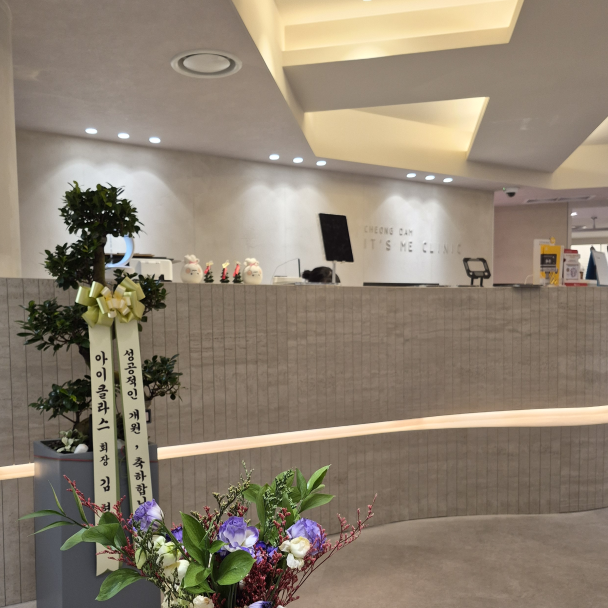
Full service at Seoul I Dermatology: VISIA screening + in-person consultation by Director Kim
👑
After filling out the information, the consultant first took me for a VISIA skin analysis. This device captures images of your face from three angles (front view plus 45-degree views from the left and right), then automatically analyzes 12 different indicators such as UV spots, brown spots, red areas, Pores, texture, wrinkles, porphyrins (bacterial metabolites), and more. Once the scanning is complete, a detailed skin condition report is generated, showing your percentile ranking among people of your age group for each indicator.
To be honest, I was completely devastated the moment I saw the report—my UV damage ranked in the bottom 30% among people my age, and my enlarged Pores also placed me in the lower percentile. But Dr. Kim didn’t use these numbers to scare me into making a decision; instead, he patiently explained, “UV spots are the result of cumulative exposure over time, not just a lack of sun protection recently. Pore size is related to sebum production and Collagen loss. The right treatments can help improve the situation, but you won’t have perfectly smooth Pores overnight.” This approach of avoiding exaggerated claims and speaking honestly made me decide right then and there to get the treatment here.
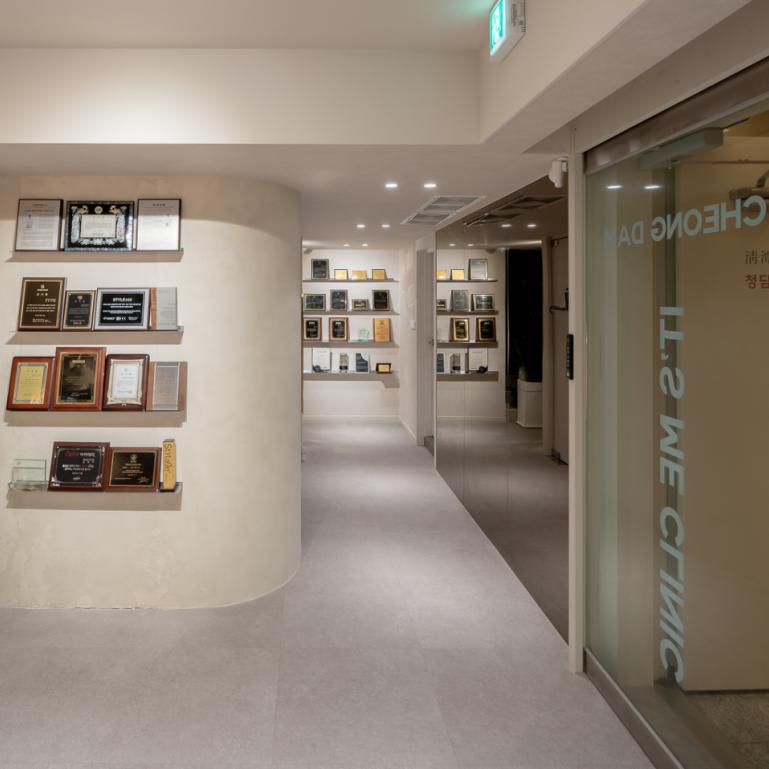
Dr. Kim spent about 25 minutes discussing treatment options with me. I had originally wanted to try Thermage (since it’s highly recommended on Dcard), but after reviewing my VISIA report, she said, “Your skin sagging isn’t severe enough to require Thermage. Using HIFU at 300 shots to tighten the lower face would be more suitable, and it won’t give that overly tight, artificial look while preserving your natural facial shape.” She also suggested I return in a month for a Rejuran treatment to hydrate and restore my skin—but she didn’t push it at all, saying instead, “We can decide based on how your skin looks when you come back.”
The E-Ceramic treatment package I chose + fully transparent pricing
💰
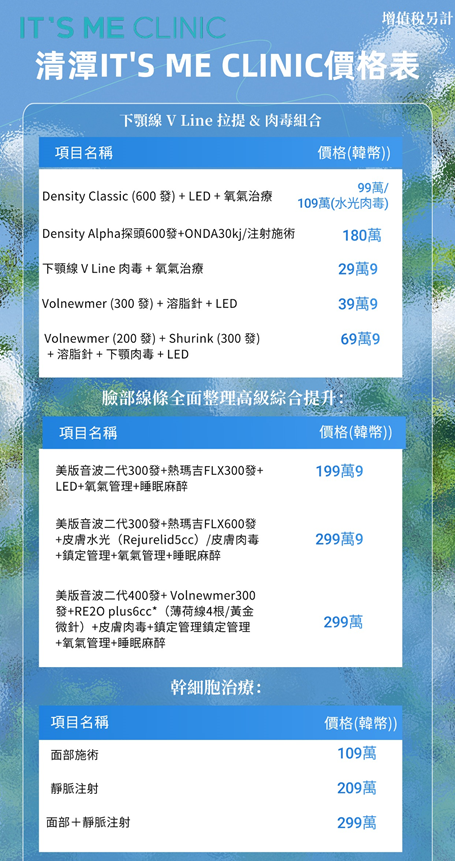
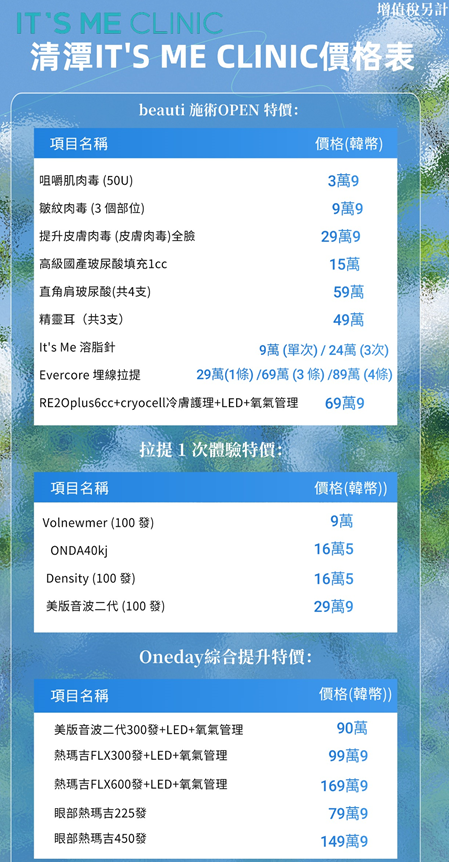
The treatment plan I ultimately chose was: second-generation HIFU at 300 shots (for tightening the lower face) combined with Rejuran PN regeneration injections, administered in two sessions—first the HIFU treatment, followed about four weeks later by the Rejuran injections. Dr. Kim said this sequence is the most effective, as the HIFU requires time for Collagen to regenerate gradually; administering Rejuran too early could interfere with this repair process. Below is the full breakdown of my costs for this treatment (June 2026, exchange rate: ₩10,000 ≈ NT$225):
At this price point, it’s considered fairly reasonable in Gangnam, Seoul—₩900,000 for an HIFU treatment that includes post-procedure LED therapy and oxygen management is a sensible deal, while Rejuran costs ₩290,000, which is significantly cheaper than the typical NT$8,000–12,000 price in Taiwan. What’s great is that the same price applies to both Korean and foreign patients, with no extra charges for foreigners. The amount is clearly stated on the pre-treatment agreement, so there’s no need to worry about hidden fees being added halfway through the treatment.
First-hand account of the entire HIFU treatment process for Yici Meier II: pain level, time taken, and detailed insights into each treatment area
🪄
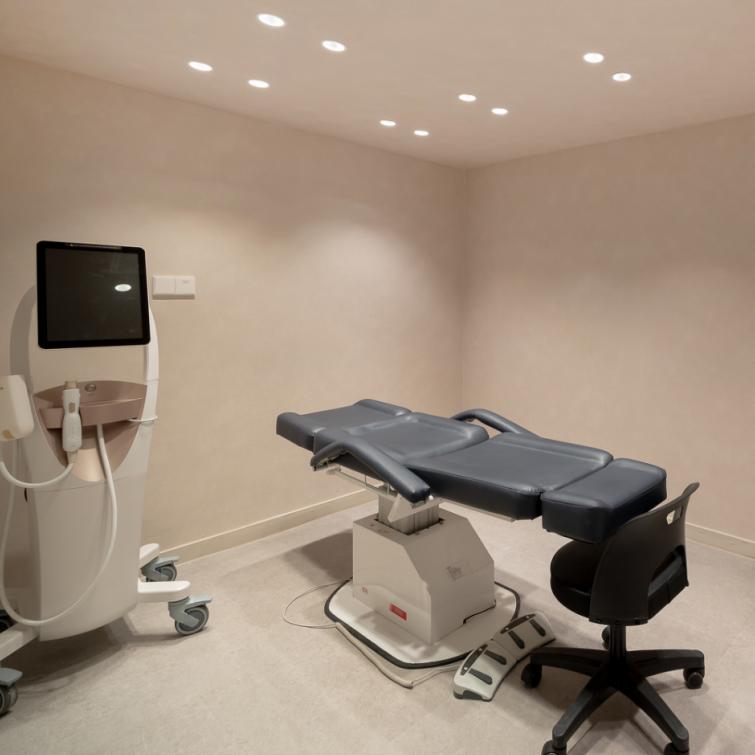
This is probably what everyone wants to know most—does it hurt? My answer is: it’s more comfortable than you might think, but it’s not completely pain-free either. Let me walk you through the process: once you’re in the treatment room, the nurse will remove your makeup and wash your face, then apply an anesthetic cream for about 30 minutes. After Dr. Kim arrives, he’ll first draw grid lines on your face to mark the areas to be treated, while also confirming the treatment scope and hair distribution once again.
Once the treatment begins, the probe of the HIFU is moved across the face in small sections, delivering a sensation as if warm energy is penetrating from the skin’s surface deep into the underlying layers. The lower jawline and the edges of the cheekbones are where you feel it most strongly—not pain, but rather a deep tingling sensation, as though someone is gently pressing on your bones from within. The Forehead and the middle part of the cheeks hardly show any sensation, with only a warm, comfortable feeling. The entire 300 shots take about 50 minutes, during which the doctor keeps checking in, asking things like, “Is this okay? Do you need the energy reduced?” The pace is very relaxed, with no sense of urgency at all. After the treatment, the face turns slightly red but doesn’t swell noticeably.
Pain score: Overall around 3/10 (0 = no pain felt, 10 = unbearable). The lower jaw area scores around 4/10, while the cheeks score 1–2/10. The subsequent LED therapy and oxygen treatment last about 15 minutes; the cool sensation is very soothing, and the pain-relieving effect is noticeable.
Four Weeks After Trying Rejuran PN Injections: A Completely Different Experience from HIFU
🫧
Four weeks later, I returned to the clinic for another session of Rejuran treatment. This time, the process was quicker: removing makeup → applying an anesthetic cream for 20 minutes → Dr. Kim checking the skin condition → starting the injections. Rejuran is administered using a dermaroller combined with manual injection—the device quickly covers large areas such as the cheeks and Forehead, while manual injections are used in key areas like fine lines around the eyes, Nasolabial Fold Correction zones, and areas with enlarged Pores.
The sensation from injection is completely different from that of HIFU: there’s no deep ache or swelling, but rather a slight stinging feeling at the epidermal layer, along with a mild bloating sensation as the liquid expands the skin during injection. The pain level is slightly higher than with HIFU, especially in areas with thinner skin like the eye contour and nostrils, where there’s a brief stinging sensation similar to pulling out eyebrows. Pain rating: around 4.5/10. However, the advantage is that the face only turns slightly red on the day of treatment, without the noticeable heat sensation seen after HIFU treatments. Director Kim explains that Rejuran contains PN (polynucleotides), which primarily help repair damaged skin barriers and promote collagen regeneration—offering a complementary approach to HIFU’s physical lifting effect.
Effect timeline one month after treatment: The dual transformation achieved with HIFU + Rejuran
✨
This is the most valuable part of the entire experience—keep a record of it, and when you look back after a month, the changes will be truly remarkable. Below is the complete timeline I’ve kept starting from the day the HIFU treatment was performed:
In summary: The effects of HIFU are most noticeable during weeks 2 to 4, while Rejuran helps improve skin quality from weeks 5 to 6. By scheduling these two treatments at different times, the combined improvement is significantly greater than getting just one treatment alone. Dr. Kim says that the collagen-renewing effect of HIFU lasts for 3 to 6 months after the procedure, so I will continue to monitor any further changes.
Complete Guide to Post-Procedure Care for YiCi: Recovery Tips Using HIFU + Rejuran
⚠️
The quality of post-surgery care directly determines how well the results will be achieved. Below are the comprehensive guidelines I’ve compiled based on Director Kim’s post-operative instructions and my own personal experience:
- Avoid contact with water for 24 hours after the procedure: Do not wash your face on the day of the HIFU treatment or Rejuran injection, and on the following day, gently cleanse it with lukewarm water and a non-irritating facial cleanser.
- Intensive hydration for 3 days after surgery: Apply medical-grade hydrating masks 1–2 times a day (the clinic will recommend suitable repair masks), avoiding products containing acids or whitening ingredients.
- Strict sun protection is required for 7 days after the procedure: apply SPF50+ PA++++ sunscreen every 3–4 hours, and wear a hat or use an umbrella. The skin is particularly sensitive to ultraviolet rays after treatment, increasing the risk of tanning compared to normal times.
- Avoid high-temperature environments within 7 days after the procedure: Saunas, steam baths, hot yoga, and hot spring baths are strictly prohibited, as high temperatures can accelerate inflammatory responses and potentially interfere with collagen regeneration.
- Avoid strenuous exercise for 2 weeks after the procedure: Stop activities that cause heavy sweating such as running and weight training, as sweating may irritate the injection site and lead to inflammation.
- Avoid other cosmetic procedures within 1 month after the treatment: Do not undergo chemical peels, other lasers, or fillers at the same time to give your skin a full recovery period.
- Drink plenty of water + take vitamin C: Aim for at least 2000 cc of water daily, and combining it with vitamin C supplements can boost collagen production and speed up recovery.
Who is a good candidate for E-Ceramic Beauty? Who should avoid it?
👭
The following table comparison helps you quickly determine whether you’re a good fit for E-Ceramic Beauty in Cheongdam.
The comparison above can serve as a preliminary screening reference, but the actual suitability still needs to be determined through a face-to-face consultation with Dr. Kim. Everyone’s skin condition, age, and desired results vary, so the advice of a professional doctor is far more reliable than any online guide.
A Comprehensive Review of the Pros and Cons of Yici Dermatology: To be honest, it lacks proper support.
📋
One month after undergoing the procedure, I’ve tried to objectively list the following advantages and disadvantages. Next to each advantage, I’ve noted a point to keep in mind to help you make a more informed decision.
5 Practical Tips for First-Time Visits to South Korea for Medical Aesthetics Treatments
🧳
As someone who’s been there before, I’d like to share 5 things you must keep in mind when going to South Korea for cosmetic procedures for the first time:
- Make an online reservation before you go—don’t wait until you arrive. Popular clinics are often fully booked during peak times such as Saturday afternoons and Tuesday evenings. It’s recommended to book at least a week in advance through BeautsGO or WeChat Hannah972 to secure your preferred time.
- Bring a translation tool: Although the clinic offers basic Chinese services, it’s recommended to install Papago or Google Translate on your phone and translate any questions you want to ask into Korean in advance to ensure smoother communication.
- Don’t schedule too many activities right after the procedure: Your face will be slightly red on the day of the HIFU treatment. It’s recommended to have the procedure in the afternoon and return to the hotel to rest in the evening—avoid planning trips to fancy restaurants or bars later that night. You can go sightseeing as usual on the second day, but be sure to apply sunscreen regularly.
- Bring sufficient cash in Korean won or confirm card payment: Some clinics may charge a fee (around 3-5%) for card payments, so it’s recommended to have enough cash in Korean won or use an international credit card that eliminates fees. E-Cosmetic accepts card payments, but the fee will be confirmed on the spot.
- Avoid scheduling other cosmetic procedures within one month after the surgery: Some people might think, “Since I’m already here, why not get a few more treatments?” But the skin needs time to recover, and doing too many procedures too soon can actually have the opposite effect. Keeping at least 4 weeks between treatments is the basic rule.
Real reviews of Yi Ci Mei on Dcard / PTT / REDnote
🌐
🌐
Reviews from international travelers (Dcard / PTT / REDnote / 39 Health)
Reviews from international travelers (Dcard / PTT / REDnote / 39 Health)
- The HIFU treatment gives a natural result — “Recommended by a friend, I went to Dr. Jin for the HIFU treatment. It only took less than two hours despite 300 shots being used, and the doctor’s technique was very precise. I didn’t feel anything right after the procedure, but after a month my face became firmer, and my chin line is exactly what I wanted.” (Tourist from Mainland China)
- High follow-up rate, with the doctor remembering you — “This is my second time at this clinic. I was very satisfied with the results of my previous HIFU treatment, so I came back for a Rejuran session. The doctor remembered what I had done before, checked my records, and gave me personalized advice—this really made a big difference.” (Taiwanese visitor CC)
- No sales pressure, natural-looking results — “I got a Filler injection for my nose. Dr. Kim has great aesthetic sense; the result looks natural without being overdone. During the consultation, he showed me several options for me to choose from, without pushing me to go with the most expensive one.” (Malaysian traveler)
- A secret clinic favored by celebrities and socialites — “With its low-key and private atmosphere, many local artists, streamers, and elite women choose it precisely because of this sense of reliability and peace from distractions.” (REDnote user)
- Certified Instructor by the Manufacturers of Thermage FLX, Ultherapy, and Sculptra — “Her wall is adorned with certifications from all three manufacturers. With over 20 years of experience, Dr. Kim is also a certified instructor for Sculptra.” (User from VeryPerfectForum)
Frequently Asked Questions FAQ
📱
Q: Is 300 shots sufficient for the second-generation HIFU? Do I need to increase it to 500 shots?
A: 300 shots is the standard dosage for treating the lower half of the face (chin line + Buccal Fat). If your sagging is mainly concentrated in the lower face, 300 shots will be sufficient. If you’d like to include the Forehead and neck as well, additional shots will be needed (usually an extra 100–200 shots). Dr. Kim will determine the appropriate number of shots based on the degree and extent of your sagging during the consultation, without recommending unnecessary treatments. The results will gradually become visible within 1–3 months, as collagen regeneration takes time—patience is far more important than adding more shots.
Q: Can HIFU and Rejuran be done on the same day?
A: It’s not recommended to undergo both treatments on the same day. Both procedures can cause some degree of irritation to the skin. Generally, it’s advised to start with HIFU first, and wait 3–4 weeks until the skin’s condition stabilizes before applying Rejuran. Dr. Kim’s standard approach is to carry out the treatments in stages—first using HIFU for deep-layer lifting, followed by Rejuran for surface repair and hydration. Attempting to do both on the same day might exacerbate inflammatory reactions and actually undermine the treatment results.
Q: Can I瓷美 Dermatology handle communication in Chinese?
A: The clinic lists Chinese-language services available, but they’re at a basic level — not fluent bilingual service, but enough to handle common procedure names and basic communication. It’s recommended to book in advance through the BeautsGO APP (with a Chinese interface), or add WeChat ID Hannah972 to discuss your needs beforehand, and use a translation app on site as a backup. Director Kim is better at English than Chinese, so if you can communicate in basic English, things will go more smoothly.
Q: Can you really go shopping right after getting an HIFU treatment?
A: Sure. After the treatment, your face will be slightly red for about 2-3 hours before fading away. It’s recommended to wear a hat and apply sunscreen to avoid direct sun exposure. The area around Apgujeong Rodeo Station is already a popular shopping spot—you can head straight to the boutiques in Cheongdam-dong or relax at nearby cafes right after the procedure, with no issues at all. I went for coffee that afternoon and took a walk in Olympic Park in the evening after my treatment, and everything went smoothly.
Q: Is Yici Mei open on weekends?
A: They are open on Saturdays (10:00–16:30), but it gets extremely busy in the afternoon, so it’s recommended to book at least 1–2 weeks in advance. They are closed on Wednesdays and Sundays—make sure to check that before going. If you can only visit over the weekend, it’s best to schedule your appointment for Saturday morning or noon so you still have time to shop around afterward.
Related Recommendations
📌
- Cheongdam Itsme Dermatology Price List for May 2026: Rejuran starts at 100,000 KRW, DongAn Center Introduction injections start at 120,000 KRW; foreigners pay the same price without any additional charges.
- Stop asking me how to make an appointment! Here’s a complete guide to booking at Cheongdam’s ITSME Dermatology — you can do it easily even if you don’t speak Korean.
- The popular Dermatology clinic in Cheongdam that all the elite ladies in Seoul frequent – address and transportation details right here: 5 minutes’ walk from Exit 3 of Cheongdam-dong Station
- The whole internet is talking about Titanium Lifting from South Korea, but Fortra used at Cheongdam’s ITSME Dermatology has one additional wavelength compared to Titanium, making it suitable even for people with red skin.
- Don’t go to factory-style clinics! A guide to avoiding pitfalls when seeking medical aesthetics treatments in South Korea—things you must know before visiting DAN-A
Or
ese customer service responds instantly
💬 Book via WeChat: Hannah972
Chin
ese customer service responds instantly