
Guys, have you been browsing REDnote or watching Korean dramas and become fascinated by South Korea’s “quietly becoming more beautiful” Lifting techniques using the ONDA ultra-microwave device? But at the same time, are you worried about being unfamiliar with the local area, struggling with the language, and getting overcharged by clinics because you’re considered a “foreign tourist”? Don’t worry! This article is specifically designed for you – the “Ultimate Guide to Preventing Overcharging in South Korea’s Lifting Industry”. We not only provide you with the most up-to-date and transparent market price lists for 2026 but also teach you how to shop smart like a local. Our goal is to help you avoid spending unnecessary money!
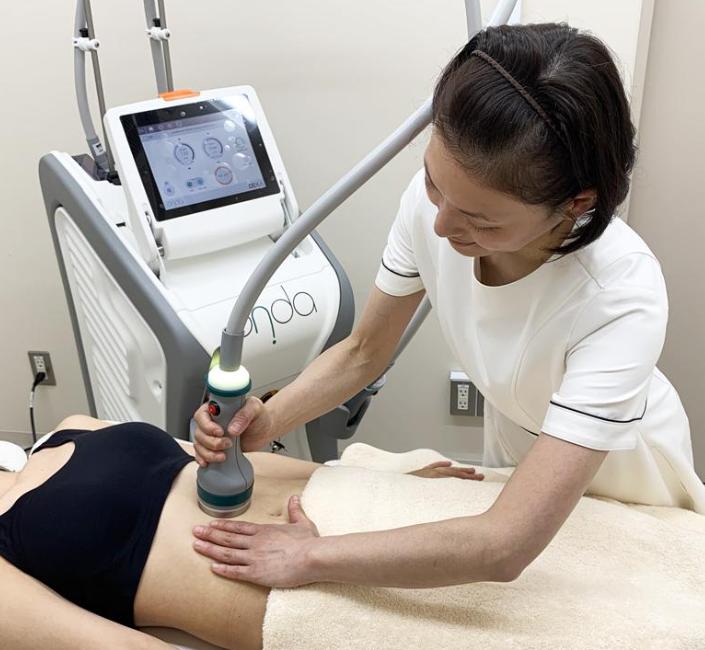
I. What exactly is ONDA? Why is it so popular in South Korea?
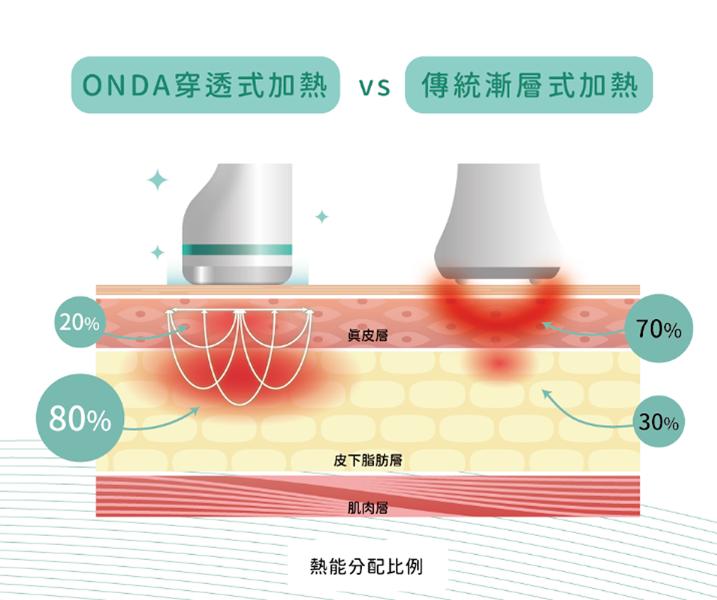
Simply put, ONDA is a high-tech device that uses “microwave” technology to simultaneously achieve fat dissolution and skin tightening. You can think of it as a smarter and more gentle “microwave oven,” but it only heats the fat layer on your face or body, causing the fat cells to overheat and be metabolized. At the same time, the heat generated also stimulates the regeneration of Collagen, making the skin tighter.
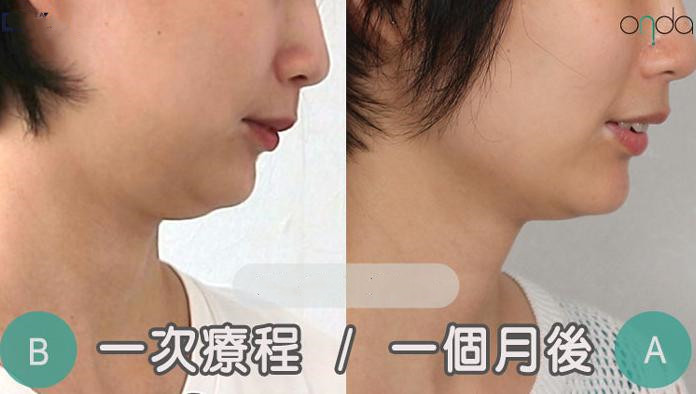
Its popularity is mainly due to these advantages, which precisely address the current concerns of modern people:
- No pain and no recovery period: This is extremely important! Anyone who has undergone Thermage treatment knows how “intense” the sensation can be. However, the level of discomfort caused by ONDA is roughly at level one (whereas Thermage is at level four), so it’s almost possible to endure the procedure without even using anesthesia. After the treatment, the face will only turn slightly red, and you can get dressed up and go out immediately on the same day—without any impact on social activities. This is truly a blessing for working professionals and those who prefer a more relaxed lifestyle.
- One treatment, two benefits: Traditional treatments either only target fat dissolution (which may cause the skin to become loose) or only tighten the skin (without having any effect on fat). ONDA solves both problems in one go, making it especially suitable for those who are experiencing early signs of aging, such as a slightly plump face that has begun to loosen, or for areas with stubborn fat deposits after childbirth, like the lower abdomen or the inner thighs.
- Quick results and a natural look: It doesn’t involve drastic changes that transform you overnight. Instead, you’ll immediately notice that your contours become sharper, and after 1-2 weeks, the effects become even more noticeable. It looks as if you’ve naturally lost weight and improved in appearance – everything feels very natural.
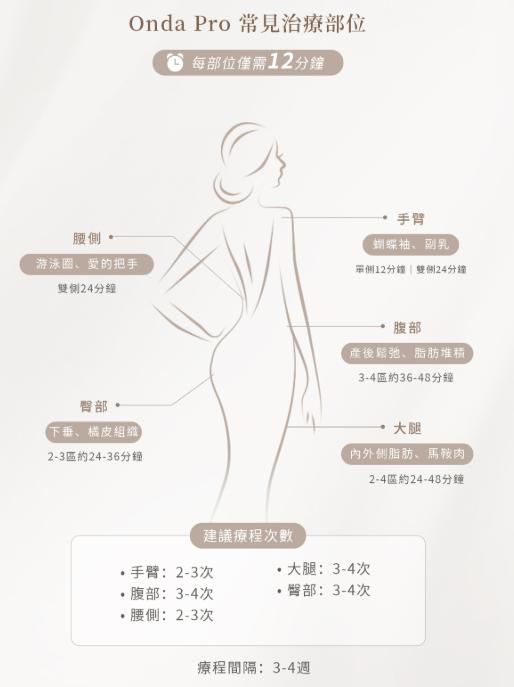
- It can be applied to a wide range of areas: from the Double Chin, baby fat, Nasolabial Fold Correction, and sagging Apple Zone on the face, to the “butterfly sleeves,” excess fat around the waist and abdomen, and the inner thighs – virtually anywhere you wish to treat.
Therefore, if you are between 25 and 40 years old, have some baby fat on your face or mild skin laxity, and are afraid of pain, surgery, or the long recovery time required, then ONDA is truly a treatment designed just for you. However, if you have severely protruding facial bones or extremely loose and sagging skin, ONDA may only be a “maintenance-level” option, and you will need to combine it with other rejuvenation treatments.
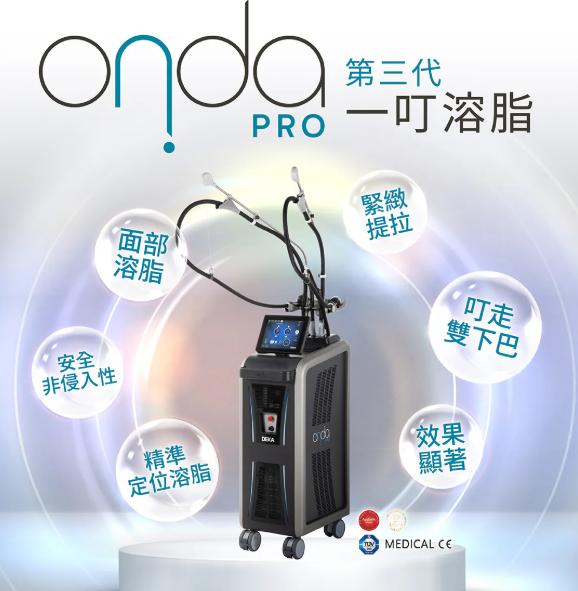
II. A comprehensive analysis of ONDA prices in South Korea in 2026: From the face to the body, following this guide will ensure you avoid any mistakes.
Prices are truly the most variable in this industry! Even for the same treatment called ONDA, prices can vary significantly depending on the clinic, the treatment area, and the energy level used. The table below summarizes the market reference prices of major institutions in South Korea for 2026 (unit: RMB; exchange rate approximately 1:185), helping you get a clear understanding of the current market situation at a glance.
| Treatment area | Power/Specifications | One-time reference price | Price for a 3-session package | Notes and Suitable Candidates |
|---|---|---|---|---|
| Face (entire face) | 60kJ (basic energy) | 3,100 to 4,500 yuan | 8,000 to 12,000 yuan | Perfect for those trying it out for the first time, or those with thinner skin or mild skin laxity. |
| 80kJ (standard energy) | 4,500 to 6,500 yuan | 12,000 to 16,000 yuan | The most common choice offers a balance between effectiveness and comfort. | |
| 120 kJ (high energy) | 6,500 to 10,000 yuan | 18,000 to 25,000 yuan | It is particularly effective for individuals with more noticeable sagging and thicker fat layers. | |
| Local facial areas | Double Chin/Jawline | 1,200 to 3,500 yuan | 3,000 to 8,000 yuan | A lifesaver for baby fat and puffy faces; it offers great value for money when used only in specific areas. |
| Apple Zone/mid-face area | 3,400 to 5,000 yuan | 9,000 to 12,000 yuan | Improves the sagging of the Apple Zone and reduces the appearance of Nasolabial Fold Correction. | |
| Around the eyes/neck area | 2,600 to 4,000 yuan | 7,000 to 10,000 yuan | Designed to address fine lines around the eyes and neck. | |
| Body parts | arm/butterfly sleeve | 2,000 to 4,600 yuan | 5,500 to 12,000 yuan | Each session requires approximately 80-100 kJ of energy. |
| waist and abdomen | 4,500 to 7,650 yuan | 12,000 to 18,000 yuan | Designed for postpartum belly problems and obesity caused by prolonged sitting. | |
| Thighs (inner and outer sides) | 4,500 to 7,650 yuan | 12,000 to 18,000 yuan | Improves the fat in the groin and outer areas of the Thighs. | |
| Waist, Abdomen + Thighs Package | – | 12,000 to 18,000 yuan | Combo packages are usually 15%-20% cheaper than treating two areas separately. | |
| Popular combination packages | ONDA full-face treatment + LDM regeneration management | – | Ranging from approximately 15,000 to 22,000 yuan | Enhance postoperative recovery and Lifting of skin quality. |
| ONDA + Thermage/Ultrasound Gun | – | Around 25,000 to 40,000 yuan | The ultimate anti-aging combo: deep lifting + fat-dissolving skin tightening. | |
| ONDA + lipolysis injection needles | – | Around 10,000 to 15,000 yuan | For those particularly stubborn areas of excess fat. |
Key factors contributing to price differences:
- Region: Top-tier clinics in Seoul’s Gangnam District (Cheongdam-dong, Apgujeong) tend to charge significantly more, ranging 15% to 25% higher than those in areas like Hongdae and Myeongdong. However, these clinics generally offer more experienced physicians and superior facilities.
- Types of institutions: “Assembly-line” online celebrity clinics may attract customers with low prices (ranging from 2,000 to 3,000 yuan per treatment), but there may be issues related to hidden fees or insufficient experience among the doctors. “One-on-one” high-end clinics offer transparent pricing, and the treatments are performed personally by the clinic director, ensuring a better experience and more reliable results.
- Doctor’s qualifications: The chief physician holds certification from the South Korea Cosmetic Surgery Association, and the fees charged are 15%-20% higher than those of ordinary doctors.
III. How can one perform Onda treatments in South Korea without wasting money?
This part is the key; following these steps will basically ensure you avoid any pitfalls.
Be sure to ask about the “three key points” clearly.
Just go to the hospital and ask directly.
- How many shots?
- In which region?
- How long should it last?
👉 If you’re too afraid to explain it clearly, just skip it altogether.
2. Don’t just focus on the price; consider the “density” as well.
Many people only look at the price, but in fact, what really matters is to consider…
👉 Number of treatments per region
For example:
- 100,000 Korean won (300 units) ❌
- 200,000 South Korean won (1,000 units) ✅
👉 In fact, the latter option is even more cost-effective.
3. It is recommended to conduct a “one-time test” for the first time.
Don’t rush into buying a package right away:
- Do it once first.
- Let’s see how people react.
- Then decide whether to add it or not.
4. Avoid “forcefully promoting hospitals”
It has several distinct characteristics:
- Always making you add extra items
- The attitude becomes worse when you don’t opt for the package deal.
- If you don’t add it, there won’t be any effect at all.
👉 You basically don’t even need to consider this at all.
5. How can one allocate a budget in the most reasonable way?
Here’s a practical suggestion for you:
- One-time budget: 200,000 to 300,000 Korean won
- 3 treatment sessions: 600,000 to 900,000 Korean won
👉 If the price exceeds this level, you need to be extremely cautious.
With this up-to-date 2026 South Korea ONDA price list and tips to avoid common pitfalls, you can feel completely confident and go ahead and pursue beauty treatments with peace of mind. Remember, information is power – when prices are transparent, there’s no need to worry about overpaying. Wishing you a wonderful experience in South Korea, where you can get the best results at the most affordable prices, and truly avoid wasting a single penny!
Frequently Asked Questions
Q: What is the difference between ONDA lipolysis and cryolipolysis?
A: ONDA uses microwave technology to heat fat cells, making the process warm and comfortable; cryolipolysis, on the other hand, destroys fat at low temperatures, resulting in a freezing sensation during the procedure. ONDA allows for faster recovery and usually does not require massage.
Q: Are the prices of medical beauty treatments in South Korea really more affordable compared to Taiwan?
A: Taking Thermage as an example, in South Korea, the cost of 600 treatments is approximately 9.18 million won (about 40,000 Taiwan dollars), while in Taiwan, the same treatment usually costs 60,000 to 80,000 Taiwan dollars. The difference is quite significant. However, it’s important to include the costs of airfare and accommodation as well. Overall, undergoing two or more treatments in South Korea will help you recoup your expenses.
Q: Will foreigners paying for medical beauty treatments in South Korea be charged a higher price?
A: Some clinics do charge foreigners a surcharge (usually 10-30%), but many others maintain the same prices for both Chinese and Korean patients. The clinics listed in the article do not charge any additional fees. It is recommended to confirm whether the price is the same for both groups before making an appointment.
Q: What are the payment methods available? Can I use a credit card to pay?
A: Most Dermatology clinics in South Korea accept credit cards (Visa/Mastercard) and cash; a few also support Alipay or WeChat Pay. There is usually no fee for using credit cards, but the exchange rate is based on the current rate provided by the bank.
Q: How do I go about applying for tax refunds?
A: For single transactions amounting to NT$300,000 or more, you can claim tax refunds at the airport, with a refund rate of approximately 5-7%. Some large clinics even offer on-the-spot tax refund services, which are even more convenient. Don’t forget to bring your passport and the receipt for your purchase.
Related recommendations
- Which South Korean Onda Lifting clinic is the best? 10 genuine recommendations from hospitals in 2026 | A comprehensive comparison of DAN-A, Lumiin, and Luo Wei
- How to make an appointment at a Dermatology clinic in South Korea? A step-by-step guide to the consultation process and appointment procedures.
- Should I consider going to a Dermatology clinic in South Korea that uses a “assembly line” approach? The truth after visiting 10 such clinics in person…
- A Guide to Avoiding Common Mistakes in Dermatology in South Korea | 10 Common Pitfalls in Medical Aesthetics in Seoul
- Reservation Guide for South Korea’s Medical Aesthetics Service BeautsGO