To be honest, I struggled with this decision for almost two months before going to South Korea. On one hand, I watched my increasingly blurred jawline in the mirror; on the other hand, I spent hours searching the internet, wondering whether I should get the treatment in Taiwan or take a special flight to Seoul. In the end, I chose the latter option and decided to go to the Saewon Cellon Dermatology clinic in Cheongdam-dong.
Why? Because it is a high-end regenerative medical institution certified by South Korea’s Ministry of Health and Welfare, and it even has its own stem cell laboratory. This is not just an ordinary cosmetic clinic; it is truly a place where “cell-level anti-aging treatments” are carried out. As for the Thermage FLX treatment offered by Phoenix Radio, they are an officially recognized treatment center that performs over a thousand procedures each year.
It’s exactly three months since the procedure. In this article, I’ve detailed everything—from the consultation process to the postoperative recovery, from the disclosure of costs to a comparison of the actual results after these three months. For the same amount of money, why not achieve results that last for at least another six months? Read it carefully before making your decision.
Why choose Cheongdam Saewon Cellon for the Phoenix Radio program?
🪄
Let me state the conclusion first: The difference between receiving the Phoenix radio treatment in Taiwan and in South Korea lies not just in the price. It lies in the question of “who performs the treatment” and “what logic is used in the process”.
I consulted several clinics in Taiwan. In most cases, the consultant would have a face-to-face discussion with the patient, and the doctor would then quickly assess the situation before starting the treatment – the entire process took less than 30 minutes. However, at Saivin Cellon, it was completely different: upon entering the clinic, a skin examination would be conducted first. Instruments were used to analyze the density and elasticity of Collagen, and based on these data, the treatment area and the energy setting would be determined.
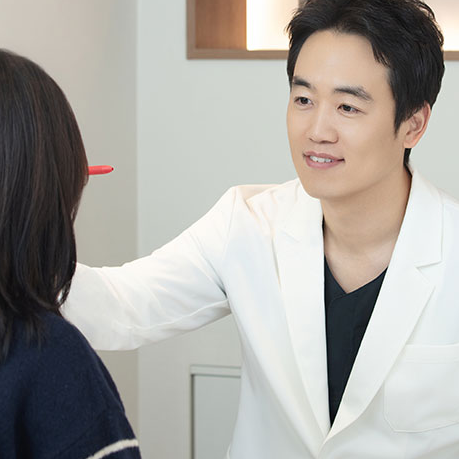
President Jiang Chengxun personally conducted the consultation; it wasn’t just a brief greeting before leaving. He spent nearly 20 minutes discussing with me the various signs of facial aging, analyzing each area in detail—from the lines on my Forehead to the sagging of my Apple Zone and the flesh around my mouth. Only after reviewing the test results and conducting a thorough physical examination did he propose a customized treatment plan using the Phoenix Radio wave technology. To be honest, this was the first time I realized that “I wasn’t just undergoing a treatment; I was actually receiving a comprehensive anti-aging assessment.”
What is Fenghuang Radio Thermage FLX? Let me explain it to you in simple terms.
💡
Thermage FLX is essentially the fourth-generation radiofrequency treatment. The main difference between it and traditional radiofrequency technologies lies in its “AccuREP Smart Energy Optimization Technology” – the device automatically detects the impedance of each inch of your skin and adjusts the output energy accordingly, ensuring that there are no issues such as one area feeling too hot while another remains unaffected.
Simply put, this technique uses monopolar radiofrequency (RF) to heat the dermis to around 65°C, causing the Collagen to contract immediately and then regenerate subsequently. Initial tightening effects can be seen right after the procedure, but the real results become apparent 1 to 6 months later – as new Collagen gradually forms, the skin becomes tighter and more firm day by day.
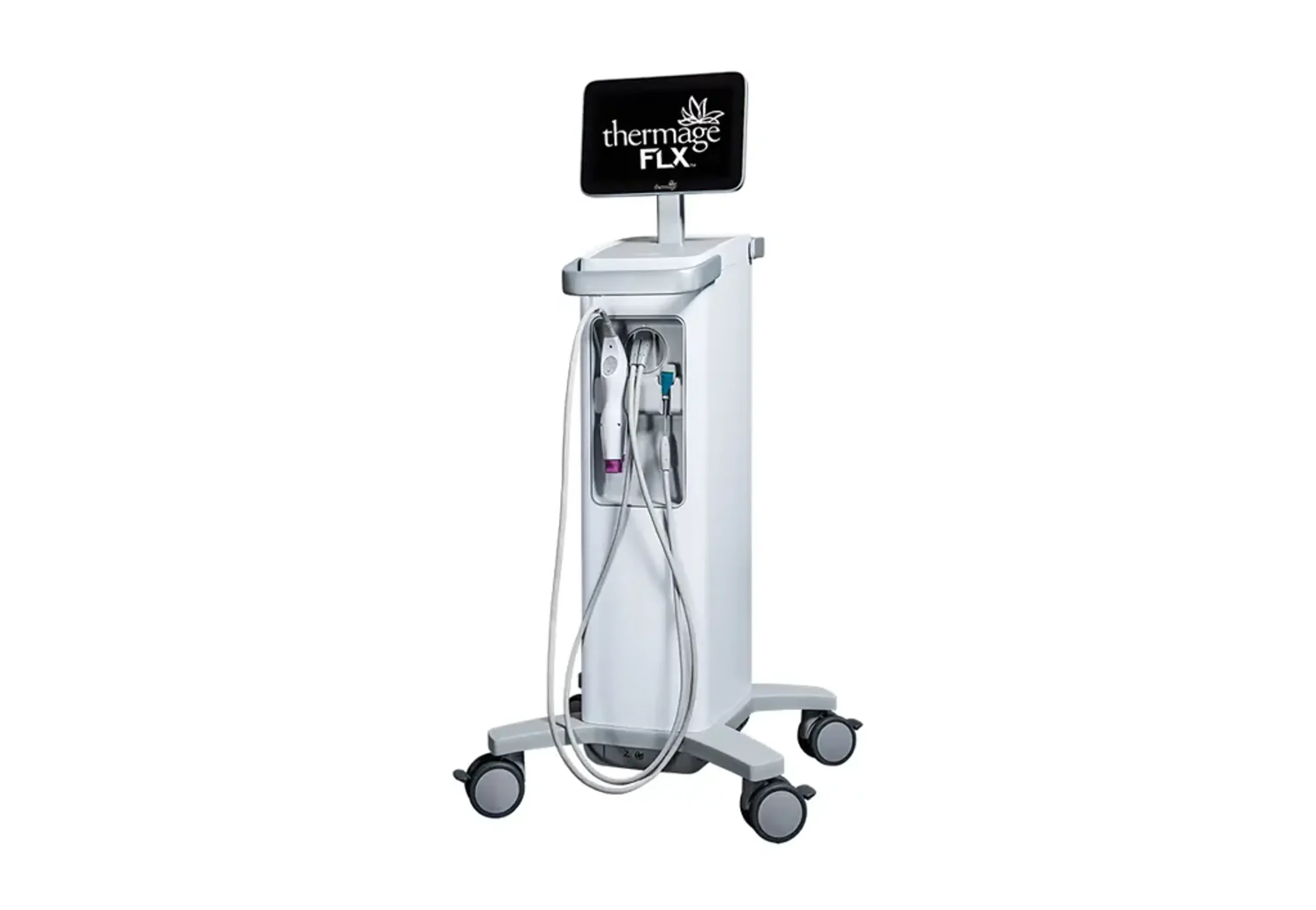
Saivin Cellon uses genuine Thermage FLX equipment from the manufacturer, and the probes are opened right in front of you on the spot. This is very important – some clinics, in order to save costs, reuse the same probes, which results in significantly reduced effectiveness after the energy has diminished over time. There’s also another detail that I particularly value: before the treatment, they use ultrasound to measure the thickness of your skin, and then decide whether to use a treatment plan with 600, 900, or 1200 pulses – rather than sticking to a fixed package for everyone.
- 600 hairs for the entire face: Suitable for people around 30 years old with mild skin laxity who want to take preventive measures against aging.
- 900 hairs for the entire face: Suitable for individuals aged 35-45 with moderate skin laxity who desire noticeable lifting effects.
- 1,200 hairs for the entire face and neck: Suitable for those aged 45 and above, or for those with more noticeable signs of aging, including neck wrinkles that need to be treated as well.
A detailed record of the actual experience during the procedure: Was it painful? How long did it take? What were the sensations like?
✨
To be honest, I’m really afraid of pain. Before getting the treatment, I even asked the nurse, “Will it hurt so much that I’ll cry?” She laughed and said it wouldn’t be that bad, but I would definitely feel some discomfort.

Applying the anesthetic (about 40 minutes): The nurse applied a thick layer of anesthetic ointment on my face and covered it with plastic wrap to allow it to absorb. During those 40 minutes, I lay on the treatment chair, scrolling through my phone while chatting with the nurse about post-treatment care. All of Saivin’s nurses have received professional training, so they answered all my questions clearly and in detail, without any ambiguity.
Starting the treatment (about 50 minutes): After the director entered the room, he first used a grid pen to mark the areas where the treatment would be applied on my face, and then began the procedure starting from the lower jaw line upwards. The first sensation was very much like being hit by a rubber band – there was an instant burning sensation, but it disappeared within about 0.5 seconds. The most sensitive areas were my Forehead and the sides of my temples, where the bones are thinner and there are more nerves, so the burning sensation was significantly stronger, and I instinctively recoiled a bit. However, the director would constantly ask, “Is this intensity okay for you?” and then adjust it according to my reaction.
My cheeks and chin actually fared quite well; the treatment mainly produced a warm sensation, with almost no stinging or discomfort. What reassured me the most was that the director would check the skin temperature manually after treating each area to ensure that the intensity of the treatment was neither too high nor too low. After finishing one side, he would use a mirror to show me the immediate results – I could see right away that the corner of my mouth on that side had raised, and the Nasolabial Fold Correction had become less noticeable. I was truly impressed on the spot.
After the treatment, my whole face turned slightly red, just like after exercising, but there was no obvious swelling. After applying ice for 10 minutes, the redness disappeared, and I was able to apply makeup and go out immediately. That afternoon, I went strolling along Rodaeo Street in Apgujeong, and no one noticed that I had just undergone radiofrequency treatment.
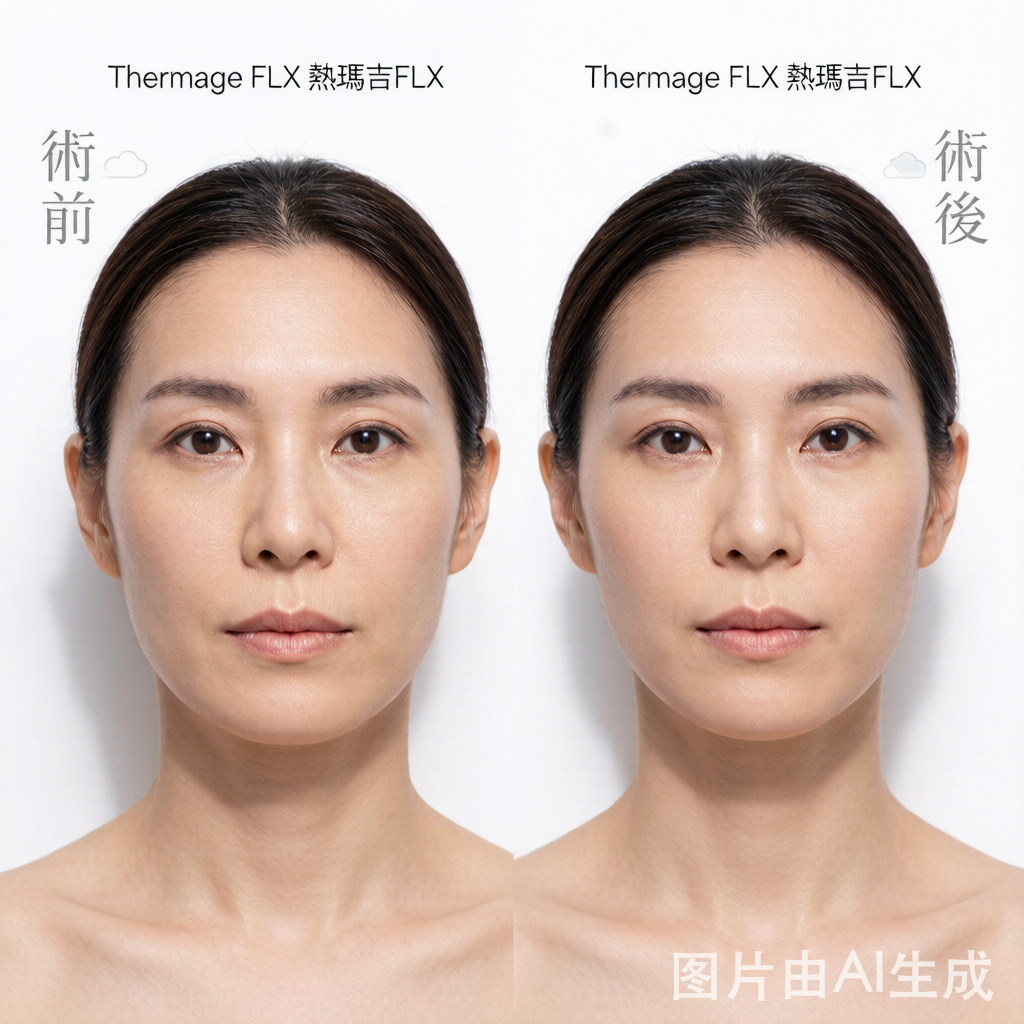
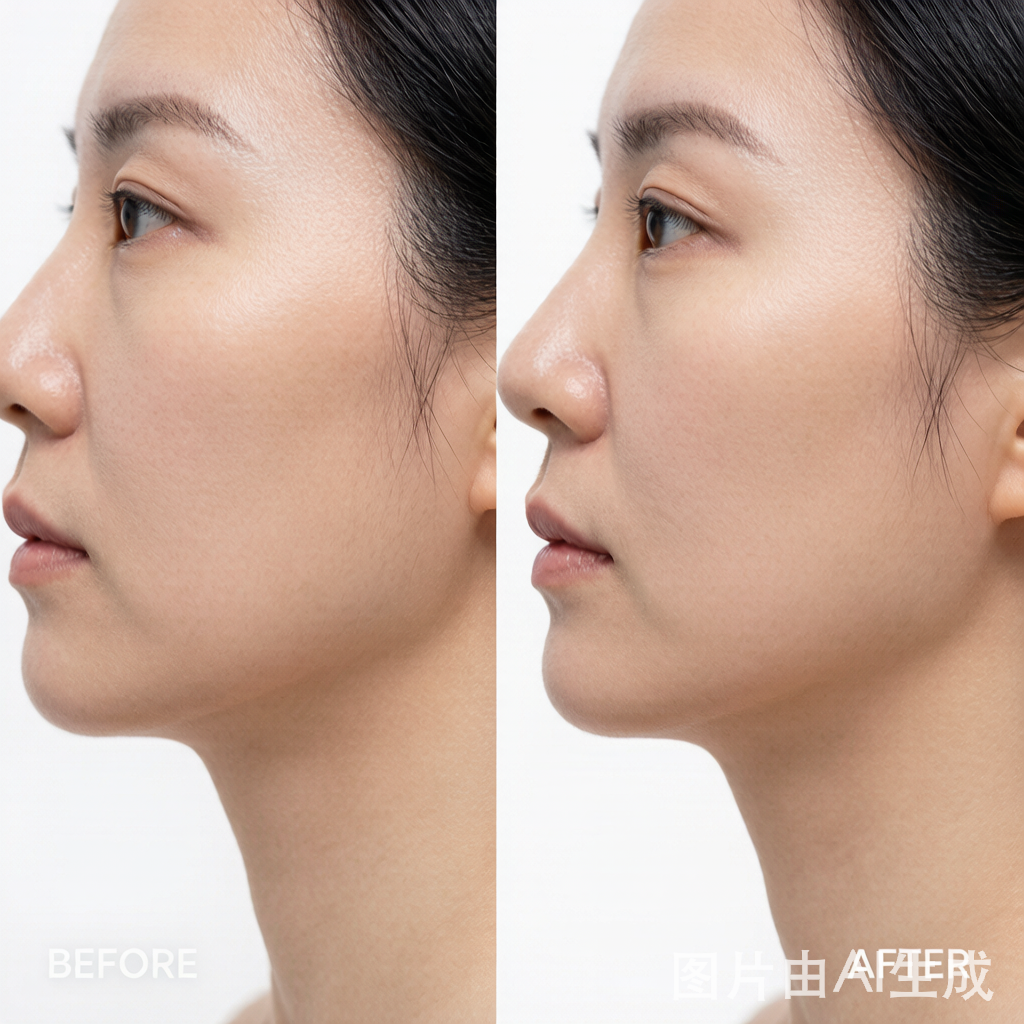
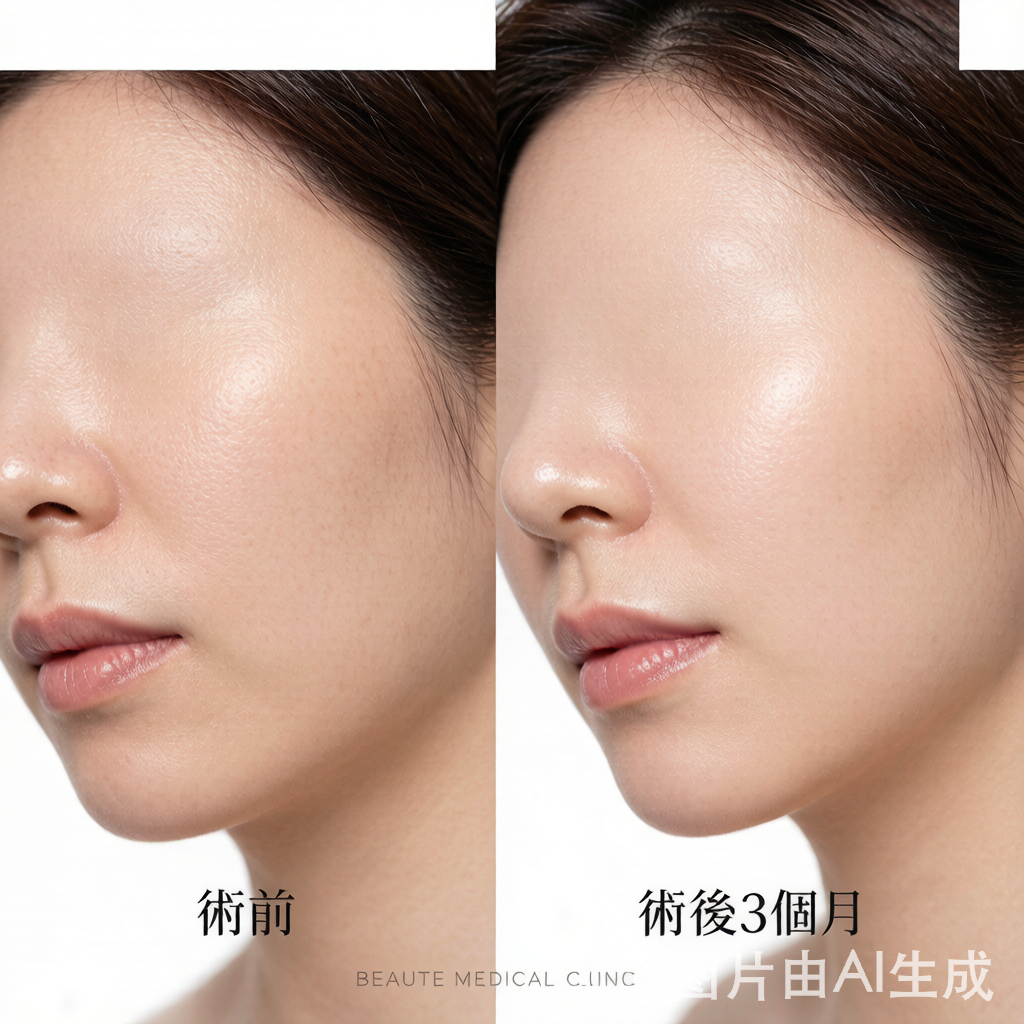
Complete records of the results three months after the procedure (including Before/After comparisons)
💎
The most fascinating aspect of Phoenix Radio is that its impact doesn’t end immediately after it takes place; instead, it gets better day by day. The following is a true timeline covering three months:
- On days 1 to 3 after the procedure: The face feels a bit tight, similar to the slight tension experienced after applying a facial mask. There are no bruises or swelling at all, so it’s completely okay to go to work as usual.
- On the 7th day after the procedure: I began to notice that my skin looked brighter, and my foundation applied more smoothly; additionally, my Pores seemed to have become smaller visually.
- On the 14th day after the surgery: The most noticeable change occurred—the lower jaw line began to become visible! Before, I had to deliberately tuck in my chin when taking photos, but now, from the side, there’s already a faint outline of a V-line. A friend asked me if I had lost weight recently, but actually, my weight hasn’t changed at all.
- One month after the procedure: The production of Collagen reaches its peak. The Apple Zone becomes noticeably fuller, and the Nasolabial Fold Correction changes from “two deep lines” to “slight lines.” The result is not a dramatic transformation like that achieved through plastic surgery, but rather a return to how one looked five years ago.
- 2 months after the procedure: The elasticity of the skin continued to improve, and it was clearly noticeable that the skin “rebounded” more quickly when pinched on the cheeks. The refinement of the Pores also reached its peak.
- 3 months after the procedure (currently): The results remain stable at their peak. The jawline is clear, the Apple Zone appears naturally plump, and the overall firmness of the face is well-preserved. Most importantly, there is no sense of stiffness or an artificial plastic-like effect; it simply looks “very good” in a natural way.
Saiwen Cellon Phoenix Radio: Number of calls, prices, and how to choose the most cost-effective option
💰
Cost is the question that the most people ask me in private messages, so let me clarify it here once and for all. The prices listed below are the actual rates from Saewon Cellon in 2026, and the unit is Korean won (₩):
| solution | Number of treatments | Korean won price | Around NTD | Suitable candidates |
|---|---|---|---|---|
| Lightweight solution | 600 pieces | 15 million yen | Around NT$34,000 | Around the age of 30, for mild signs of skin laxity – as a preventive measure against aging. |
| Standard Package | 900 pieces | 19.2 million yen | Around NT$50,000 | Ages 35-45, moderate skin laxity, seeking noticeable tightening effects |
| Full face + neck | 1,200 units | ¥28 million | Approximately NT$64,000 | For those over 45 years old, with more noticeable signs of sagging, it’s recommended to treat both the neck area as well. |
How does it compare with Taiwan? In Taiwan, the cost of a full-face treatment using Fenghuang Radio’s 900-ray system ranges from NT$80,000 to NT$120,000, while Saivin Cellon’s 900-ray option is around NT$50,000 – which is nearly 50% to 60% cheaper than in Taiwan. If you add in round-trip airfare (which can cost NT$6,000 to NT$8,000 during promotions) and one night’s accommodation (NT$2,000 to NT$3,000), the total cost would be approximately NT$60,000. That means you can still save at least 20,000 to 30,000 NT dollars by getting this treatment abroad instead of in Taiwan.
Can different numbers of hairs be mixed together? Definitely. The biggest advantage of Saimen Cellon is its “tailor-made” approach – for example, 600 hairs for the lower half of the face (chin + areas around the mouth) + 300 hairs for the eye area (around the eyes + eyebrow bones), totaling 900 hairs, focused on the areas you care most about. The director will provide recommendations based on the examination results, rather than forcing you to choose the most expensive option.
Postoperative care tips: Follow these 5 steps to extend the results for up to half a year.
⚠️
After the Fenghuang radio wave treatment, that’s not the end of it. Post-treatment care directly affects the quality of Collagen ANEW production. The following 5 points are my summaries, based on consultations with the therapists at Saivin Cellon and my own personal experiences:
- Within one week after the procedure, avoid using acidic skincare products: refrain from using A-hydroxy acids, fruit acids, or mandelic acid. Your skin is in the process of reorganizing its Collagen, and acidic substances can interfere with this process. It is sufficient to use the mildest moisturizing products.
- Avoid high-temperature environments within 48 hours after the procedure: do not soak in hot springs, take steam baths, saunas, or engage in intense physical activity. The epidermis is still very sensitive, and high temperatures can exacerbate redness.
- Drink 2000 centum core of water every day: The regeneration of Collagen requires a large amount of water. During the first month after my surgery, I drank plenty of water every day and truly noticed that my skin maintained a very high level of hydration.
- Supplementary vitamin C + Collagen: Vitamin C is an essential coenzyme for the synthesis of Collagen. Taking 500-1000 mg daily after surgery can yield more significant results. Personally, I take one high-dose vitamin C supplement and a packet of Collagen powder on an empty stomach in the morning.
- Sun protection! Sun protection! Sun protection! After the procedure, the skin becomes more sensitive to ultraviolet rays; therefore, it is essential to apply SPF50+ sunscreen at least twice. Ultraviolet rays can damage the newly formed Collagen, so without proper sun protection, all efforts will be in vain.
Who is suitable and who is not suitable for receiving the Phoenix Radio treatment: Please confirm your suitability before making an appointment.
👭
✅ Suitable for those who use the Phoenix Radio frequency treatment:
- People aged 30 to 50 who begin to experience mild to moderate skin laxity, blurred jawlines, and deepening Nasolabial Fold Correction.
- Those who don’t want to undergo facelift surgery but still desire noticeable lifting results
- For those whose cheeks are sunken but who do not want to use fillers and hope to rely on their own Collagen to restore their facial volume.
- People who are afraid of pain but can tolerate the “hot, bouncing sensation” (which is much milder than HIFU)
- Those who are willing to wait 1 to 6 months to see the results gradually and who don’t expect immediate changes in their appearance
❌ Those who are not suitable for receiving the Phoenix Wave treatment:
- During pregnancy or breastfeeding (for safety reasons, it is best to wait until after childbirth).
- If you have metal implants on your face, such as dental braces or steel pins, you should inform your doctor in advance so that they can assess the situation.
- Individuals with severe autoimmune diseases or a constitution prone to angioedema should avoid this treatment.
- Those who hope that “just one treatment will turn them 20 years younger again” – it should be noted that Fenghuang Radio offers rejuvenation rather than anti-aging treatments; the effects are natural but have their limits.
- People with inflamed skin or widespread acne should treat their condition before proceeding.
Frequently Asked Questions
🌐
Real questions raised by netizens (Dcard / PTT / social groups)
- How soon can one see the results of Fenghuang Radiotherapy? — Immediate initial tightening effects can be observed after the treatment (Collagen contracts immediately), while the peak results usually occur 2–3 months after the procedure. The effects can last for approximately 1–2 years, and the duration is greatly influenced by an individual’s lifestyle and skincare habits.
- What is the difference between Phoenix Radio Wave and HIFU? Which one should I choose? — Phoenix Radio Wave (RF frequency) focuses on “full-layer heating,” gradually tightening the skin from the epidermis to the SMAS fascia layer, making it ideal for overall facial relaxation; HIFU, on the other hand, uses “targeted focal energy,” delivering deeper effects at specific areas, making it suitable for localized sagging. If you have overall facial sagging and want comprehensive anti-aging treatment, Phoenix Radio Wave is the better choice; if the problem is limited to a specific area (such as the lips), HIFU may also be sufficient. Both the Syven Cellon devices are available in our clinic, and the director will recommend the most appropriate option based on your individual needs.
- Is it safe to use the Phoenix Radio technology in South Korea? Will I get a fake device? — Saewon Cellon is an officially authorized Thermage clinic, where the devices are opened and the QR codes scanned on-site for verification. They have their own stem cell laboratory, and their medical standards are higher than those of ordinary aesthetic clinics, which really puts me at ease. I recommend choosing government-approved “high-end regenerative medical institutions” and avoiding small clinics with unreasonably low prices.
- Can I go there if I don’t know Korean? – Yes, you can. Saewon Cellon offers Chinese translation services; just indicate your need for translation when making an appointment. The clinic also has a WeChat customer service account (Hannah972), so you can get preliminary consultations in Chinese before your visit.
- Can I take a flight back to Taiwan on the same day after the procedure? – Yes, that’s completely possible. Since there are no wounds or stitches required after the Phoenix Radio treatment, you can resume your normal activities right away. I went shopping in the afternoon of the same day and flew back to Taiwan the next day without any issues. However, it is recommended not to drink alcohol or visit hot springs within 48 hours after the procedure.
Related recommendations
📌
- Is medical beauty treatment very expensive in Cheongdam-dong? The actual prices at Saewon Cellon Dermatology in 2026 have been made public – the cost-effectiveness of treatments such as hyaluronic acid injections, Phoenix radiofrequency, and HIFU is truly surprising.
- Is it worth getting radiofrequency treatments at the Dermatology department of Sinsa theippo? Real reviews on the cost of the full-face Thermage FLX treatment at Fenghuang Thermage and the Dcard/PTT services.
- The latest price list from OKAY Dermatology in Cheongdam for 2026: Thermage FLX, Rejuran, and HIFU treatments – all prices listed in both Chinese and foreign currencies for your convenience.
- What are the reviews for Cheongdam OK Dermatology? Highly discussed on Dcard and PTT: It is one of the 13 specialized centers in Gangnam, Seoul – offering a one-stop solution for anti-aging and whitening treatments.
- Must-do list for Dermatology treatments in South Korea this summer: How to choose between Titanium Lifting, Juvelook, and Thermage? Includes prices and recommended hospitals.
Or
customer service will respond immediately.
💬 WeChat reservation: Hannah972
Chinese
customer service will respond immediately.