
If you are considering traveling to South Korea for plastic surgery, please save this article first. It covers all the key aspects you need to know: choosing a hospital and a doctor, what to ask during pre-surgery consultations, how to understand the costs, what will happen on the day of the surgery, as well as post-surgery recovery and follow-up steps after returning home. To be honest, many people regret their decisions not because of surgical complications, but because they didn’t do enough research beforehand. Take just 15 minutes to read this article before deciding whether to book your flight.

The first thing to do: Choose a legitimate specialized hospital, not just a Dermatology clinic or consultation center.
💡
Plastic surgery in South Korea and minor cosmetic procedures in Dermatology are entirely different things. Getting Botox injections or hyaluronic acid treatments at a regular Dermatology clinic is completely fine; however, if you want to undergo procedures such as Double eyelid surgery, rhinoplasty, or facial contouring that require general anesthesia or skin incisions, you must go to a “specialized plastic surgery hospital.” In South Korea, plastic surgery (성형외과) and Dermatology (피부과) are two completely separate specialties, with only the former equipped with operating rooms and anesthesia facilities.
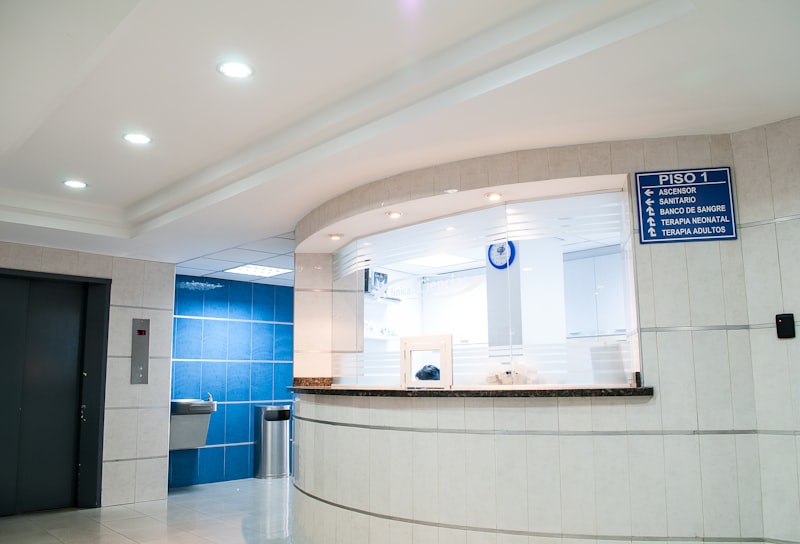
There are three key criteria for identifying a legitimate plastic surgery hospital: First, check whether the hospital lists a “specialist in plastic surgery” (성형외과 전문의) on its website. This indicates that the doctor has completed a five-year residency training in plastic surgery and passed the national examination. Second, determine whether the hospital has separate operating rooms and anesthesia recovery areas; legitimate hospitals will proudly display such facilities. Third, verify whether the hospital is registered with the South Korea Health Insurance Review and Assessment Service. Some so-called “plastic surgery centers” are actually just consultation agencies that arrange surgeries at other smaller clinics, charging a 30-50% commission. Please avoid such places. Agencies that specifically target tourists often approach people in Myeongdong or on Hongdae streets. Be cautious of slogans like “free consultation” or “skin care treatment included for today’s appointments”.
The second thing: Verify the doctor’s qualifications – just because you can speak Korean doesn’t mean you can trust them.
📋
The resumes of plastic surgeons in South Korea often seem very impressive, but you need to learn how to distinguish between what is genuine and what is just marketing hype. “Graduated from Yonsei University” and “Graduated from the School of Medicine at Yonsei University” represent completely different levels of qualification; “Worked at XX Hospital” may simply mean attending a one-month training program; and being a “member of an international society” often requires merely paying the membership fee. What really matters is whether the surgeon holds the title of “Specialist in Plastic Surgery” (which is the minimum requirement), their experience in performing such surgeries and the number of cases they have handled, as well as whether they provide pre- and post-surgery photos for reference (and these should be the surgeon’s own cases, not generic hospital samples).
Here’s a very practical way to judge: if a doctor can clearly identify the specific issues with your facial structure during the consultation (rather than just saying things like “you’ll look better after this procedure”) and honestly informs you about the limitations and risks of the surgery, then this doctor is generally trustworthy. On the other hand, be cautious of doctors who immediately promise you “you’ll turn into a fairy” or claim they can perform any type of surgery without hesitation. One more thing to note: even within the same hospital, there may be multiple doctors. It’s crucial to confirm who will actually perform the surgery on you. In some hospitals, the director might handle the initial consultation but the actual operation is carried out by less experienced doctors. In such cases, it’s essential to have the name of the surgeon clearly stated in the pre-operative agreement.
The third point: 5 essential questions you must ask during pre-surgery consultation
📌
Pre-surgery consultation is not just an opportunity to listen to what the doctor has to say; it is actually your time to assess the doctor. Do not miss asking any of these 5 questions:
- Who will perform this surgery? Make sure that the doctor you consult with is the same one who will actually perform the operation. In South Korea, there have been cases where the person who provides the consultation is the hospital director, but the actual surgeon is a resident doctor; be sure to ask about this in detail.
- What is the specific surgical plan for my case? The doctor should be able to mark the incision site on the photos and explain what materials will be used (such as the brand and model of the implants). If he simply says, “I will make it look very natural,” I would ask him to provide a detailed plan.
- Are there any before-and-after comparisons of surgeries similar to mine? The prerequisite is that these cases must be from the doctor himself, not just model photos from the clinic’s promotional materials.
- What is the worst-case scenario? Responsible doctors will honestly inform patients about the potential risks: asymmetry, scarring, the need for follow-up surgeries, and so on. A doctor who avoids discussing these risks is likely not prepared to handle any complications that may arise.
- What is the specific timeline for the post-operative recovery period? How many days will it take to remove the stitches? How long will it take for the swelling to subside by 70%? How soon can one resume normal social activities? And how long before one can fly home? These are all questions that require specific answers.

The fourth point: Language communication – this is a risk that is often overlooked during surgical procedures.
⚠️
Surgery is not like going shopping for clothes; the consequence of poor communication can be very serious, especially for your face. Even if you speak Korean fluently, after waking up from general anesthesia, would you be able to communicate in Korean with the nurse to tell them where you are feeling uncomfortable? Make sure that the hospital provides Chinese interpreters or Chinese coordinators to accompany you throughout the entire process – from pre-operative consultations and signing consent forms, to the verification steps before entering the operating room, and all the way through the observation period in the recovery room. At every stage, someone must be there to help you communicate.
Currently, most of the larger plastic surgery hospitals in South Korea, especially those located in areas with a high concentration of foreigners such as Gangnam, Apgujeong, and Myeongdong, offer Chinese-language services. However, there is a significant difference between “offering Chinese-language services” and “having dedicated Chinese-speaking coordinators.” In the first case, it may simply mean that a staff member who speaks Chinese is available to assist patients; in the second case, there is an entire international medical team that will provide support throughout the pre- and post-surgery process. When making an appointment, be sure to ask whether pre-surgical consultations are translated into Chinese, whether there will be Chinese-speaking personnel present during the surgery, and how to contact them if you encounter any problems after returning home. Write down the answers to these questions instead of just assuming they will be available.
Fifth point: The cost of the surgery is completely transparent. Make sure you understand the quotation before making any payments.
💰
The prices for plastic surgery in South Korea are usually 30-50% lower than those in Taiwan and Hong Kong, but the procedures themselves are more complex than you might think. When you receive the quotation, make sure to check whether the following costs are already included:
- The cost of the surgery itself (the fee for the doctor’s services)
- Anesthesia fees (there is a significant price difference between general anesthesia and sedation anesthesia)
- Operating room usage fees
- Hospitalization fees (in case 1-2 days of observation in the hospital are required)
- Cost of implant materials (such as silicone/Gore-Tex for nose augmentation, implants for the chin, and brands of breast implants)
- Postoperative medication costs (antibiotics, painkillers, anti-inflammatory drugs)
- Postoperative follow-up examination fees (such as suture removal and dressing changes)
- Postoperative hyperbaric oxygen therapy/swelling management (some hospitals charge separately for these services)
Taking Double eyelid surgery as an example, the cost in South Korea ranges approximately from ₩1.5 million to ₩3 million (equivalent to approximately $34,000 to $68,000 in Taiwanese dollars); rhinoplasty costs around ₩4 million to ₩8 million (about $90,000 to $180,000); while facial contour procedures such as chin Osteotomy or zygomatic bone advancement cost approximately ₩8 million to ₩15 million (equivalent to $180,000 to $340,000 in Taiwanese dollars). These prices are merely approximate ranges, and the actual fees should be based on the quotes provided by the hospitals. Before making any payment, be sure to obtain a written quote that includes the “total package price” – do not rely solely on oral estimates. Additionally, paying in cash usually allows for additional discounts of 5-10%, whereas using a credit card ensures consumer protection; you can decide for yourself which option is more suitable for you.
The sixth point: Preoperative examinations are essential; these medical checks are the foundation of safety.
🏥
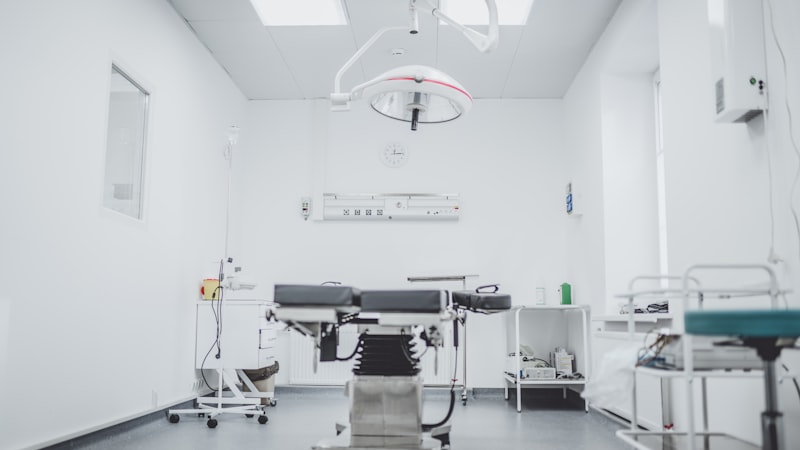
Once you have determined the date of your surgery, a reputable plastic surgery hospital will definitely require you to undergo pre-operative examinations first. This is not done to cause you any inconvenience, but rather to ensure your safety. The basic examination items include: routine blood tests (to confirm the absence of anemia or infections), coagulation function tests (in case you have any coagulation issues that could lead to excessive bleeding during surgery), an electrocardiogram (to ensure that your heart function is suitable for general anesthesia), and a chest X-ray (to rule out conditions such as tuberculosis).
There are also several other matters that you must proactively inform your doctor about: whether you are pregnant or breastfeeding, any medications you are taking (especially those that affect blood clotting, such as aspirin, vitamin E, and fish oil supplements), whether you have a history of drug allergies (especially to anesthetics), whether you suffer from chronic conditions like diabetes or high blood pressure, and whether you have previously undergone any other cosmetic surgeries. Failing to disclose this information can significantly increase the risks associated with the surgery. It is essential to stop taking any medications or supplements that affect blood clotting one week before the procedure, and to fast for 8 hours the night before. These are absolute requirements.
The seventh point: The entire process from entering the hospital on the day of the surgery until waking up.
🪄
The process on the day of the surgery is roughly as follows. Knowing in advance can help reduce a lot of anxiety: Upon arriving at the hospital, you will first change into surgical attire and remove all jewelry and contact lenses. Then, the surgeon will review the surgical plan with you and mark the areas on your face or body. Next, the anesthesiologist will explain the type of anesthesia to be used. If general anesthesia is chosen, the anesthetic will be administered through an intravenous drip, and you will fall asleep within about 10 seconds.
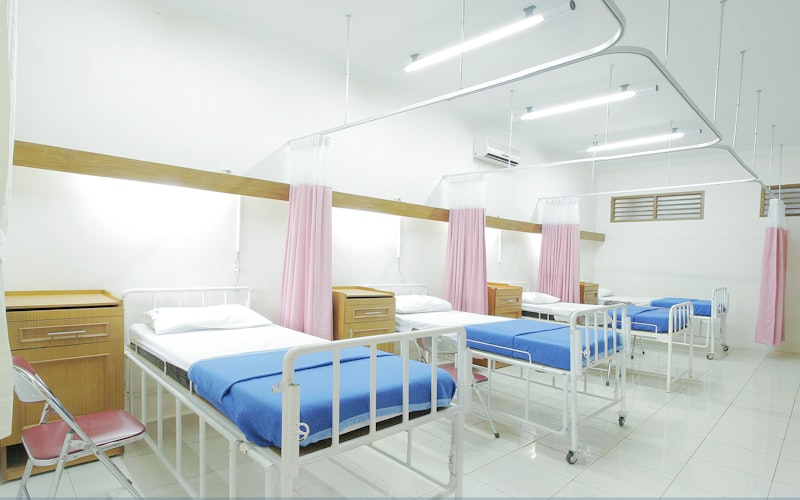
The duration of the surgery varies depending on the procedure: Double eyelid surgery takes approximately 1 to 1.5 hours, rhinoplasty takes 2 to 3 hours, and facial contour surgery takes 3 to 5 hours. After the surgery, you will wake up in the recovery room. Upon waking, you may feel cold (a common effect after anesthesia), a sore throat (if a tracheal tube was inserted), as well as swelling and discomfort at the surgical site. Nurses will regularly check your vital signs and only allow you to leave once it is confirmed that you are awake, able to drink water, and can use the bathroom. It is recommended that someone accompany you on the day of the surgery; do not go alone or come back alone. Many hospitals also provide information about transportation or nearby accommodations; you can inquire about these options before the surgery.
The eighth point: Check this section before booking your flight home to understand the post-operative recovery timeline.
⏱️
This is probably the aspect of overseas plastic surgery that is most often underestimated: How long will you need to stay in South Korea? The answer depends on the specific surgical procedure. Here are some general guidelines for reference:
- Double eyelid surgery: The stitches are removed on the 5th to 7th day after the procedure, and it is recommended to stay in for 7 to 10 days. About 50% of the swelling will subside after the stitches are removed, so it should not be too noticeable when returning to work.
- Rhinoplasty: The stitches are removed and the nasal splint is taken off on the 5th to 7th day after the surgery. It is recommended to stay in the hospital for 10 to 14 days. It takes a relatively long time for the swelling around the nose to subside. Even after the stitches are removed, the nose may still be slightly swollen, but this is generally not noticeable when wearing a mask.
- Facial contour surgery: This type of surgery requires the longest recovery period. The stitches are removed 7 to 10 days after the operation, but since the face is still significantly swollen, it is recommended to stay home for 14 to 21 days. It is also advised to wear a compression headband within 2 weeks after the surgery and to avoid strenuous exercise.
- Autologous fat transplantation: The stitches are removed on the 7th day after the procedure, and it is recommended to stay in for 10–14 days. Swelling and bruising at the transplantation site usually subside within 2–3 weeks.
The ninth point: Paying attention to postoperative care details can directly determine the outcome of your surgery.
📱
A successful surgery is just the beginning; proper postoperative care is what determines the final outcome. Here are some of the most important things to keep in mind:
- The timing for applying ice and heat compresses: Within 48 hours after the procedure, use ice compresses to reduce bleeding and swelling—apply them for 15–20 minutes at a time, with intervals of 1 hour. After 48 hours, switch to heat compresses to promote blood circulation and reduce swelling. Be careful not to apply ice cubes or hot water bags directly to the wound; always place a layer of gauze between them.
- Sleeping position: For 1 to 2 weeks after the procedure, sleep with your head elevated by 30 degrees (using 2 to 3 pillows) to help reduce swelling. Patients who have undergone facial surgery should avoid sleeping on their sides or faces down.
- Dietary Restrictions: Smoking and drinking are prohibited for 2 weeks after the procedure. Nicotine causes blood vessels to constrict, hindering healing, while alcohol increases the risk of bleeding. Avoid spicy, extremely hot, or hard foods. Consume more high-protein foods such as eggs and fish, as well as foods rich in vitamin C to aid in wound recovery.
- Wound care: Keep the wound dry and change the dressing regularly. Do not get the wound wet before the stitches are removed. Be extra careful when washing your hair or face; it is recommended to have this done while lying down at a beauty salon.
- Activity restrictions: Avoid bending over, lifting heavy objects, or engaging in strenuous exercise for 2 weeks after the procedure. Do not visit hot springs, saunas, or swim for 1 month after the surgery.
- Scar management: Once the wound has healed steadily after suture removal (usually 2–3 weeks post-surgery), silicone patches or scar-reducing gels can be used, and it is recommended to continue using them for at least 3–6 months.
The tenth point: Common post-operative conditions and follow-up care after returning home
⚠️
Even if the surgery goes smoothly, there may still be some issues that arise after the procedure. Knowing about them in advance can help you stay calm: Asymmetry (this is quite common in the early stages after surgery, as the swelling reduces at different rates on both sides; usually, the appearance becomes symmetrical after 1 to 3 months), persistent swelling (it is normal for the swelling not to completely subside until 3 to 6 months after the surgery), Scar tissue formation (this depends on an individual’s physical constitution, but using scar-reducing products regularly can significantly improve the outcome), and numbness or decreased sensation (it takes time for the nerves to recover, and these symptoms usually gradually disappear within 3 to 6 months).
Before returning to South Korea, be sure to obtain the following documents: a summary of the surgical details (including the type of surgery and the brand/model of the implants used), postoperative care instructions (in Chinese), and emergency contact information (the hospital’s email address or KakaoTalk/LINE account). If any of the following symptoms occur after returning to South Korea, seek immediate medical attention at the hospital: abnormal redness, swelling, heat, pain, or discharge from the wound (possible sign of infection); a persistent fever above 38°C; sudden severe pain or swelling on one side (possible sign of hematoma); or difficulty breathing (possible delayed reaction to anesthesia or medication). For general postoperative follow-up issues, you can first take photos and send them to the South Korean hospital for consultation; do not attempt to handle these problems on your own.
Frequently Asked Questions
Q: Is it really possible to undergo plastic surgery in South Korea without knowing Korean?
A: Yes, but it’s essential to choose a hospital that has a dedicated Chinese coordinator or an international medical team. From pre-operative consultations, through the day of the surgery, to post-operative follow-up, it is necessary to have Chinese staff accompanying you throughout the entire process. Be sure to confirm this when making your appointment; don’t rely solely on online reviews.
Q: Why are the costs of plastic surgery in South Korea lower than those in Taiwan?
A: The main reason is the market size. In South Korea, there is a high density of plastic surgery hospitals and fierce competition; the large number of surgeries performed helps to spread the fixed costs. Additionally, due to the high demand among local residents for medical treatment, the prices are naturally more competitive compared to markets that mainly serve foreign tourists. However, low prices do not necessarily mean poor quality; the key is to choose the right hospital and doctor.
Q: How long after the surgery can I take a flight back to my home country?
A: It is generally recommended to wait at least 7–10 days after the procedure before flying. For Double eyelid surgery, it is possible to fly 1–2 days after the stitches are removed (around 7–8 days after the operation); for rhinoplasty, it is advised to wait 10–14 days; and for facial contour procedures, 14–21 days. The reason is that changes in cabin pressure during flight can affect postoperative swelling and wound healing, and prolonged sitting during long-distance flights also increases the risk of blood clots.
Q: Is there any tax refund for plastic surgery in South Korea?
A: Since 2024, South Korea has abolished the tax-refund system for foreign tourists undergoing cosmetic procedures. Therefore, it is generally not possible to get a tax refund for the costs of plastic surgery at the airport. However, in some cases, if the consultation fee or skin care treatment is billed as a “general medical receipt” rather than a “plastic surgery receipt”, a tax refund may still be applicable. For specific details, please confirm directly with the hospital before the procedure. If necessary, you can schedule a consultation by contacting Hannah972 on WeChat or BeautsGO.
Q: What should I do if I am not satisfied or encounter any problems after the procedure?
A: The first step is to directly contact the international medical team at the hospital where the original surgery was performed. Usually, they will ask you to provide photos or video evaluations. If the issue can be addressed in Taiwan (for example, taking care of the wound after suture removal), they will give you some recommendations. In cases where further corrections are needed, reputable hospitals generally have post-surgery warranty policies (for instance, free repairs for issues caused by non-human factors within one year after the surgery). It is advisable to clarify the details of these warranty policies before choosing a hospital.
Related recommendations
📌
- South Korea ID Hospital’s Comprehensive Guide to Facial Contour Surgery: How to Choose Between Bone Reshaping, Chin Surgery, and Jawline Procedures?
- Prices for plastic surgery in South Korea are fully disclosed: a comparison of the costs for Double eyelid surgery, nose augmentation, and facial contouring procedures.
- Recommended plastic surgery clinics in Gangnam, Seoul: A list of hospitals that are friendly to foreigners and provide excellent Chinese-speaking services
- A Recovery Journal After Plastic Surgery in South Korea: A Comprehensive Record of the Two Weeks from Surgery to Suture Removal
- South Korea Tax Refund Guide 2026: A Must-Read for Medical Aesthetics Travelers – Which Procedures Are Eligible for Tax Refunds?
Or
hinese customer service will respond immediately.
💬 WeChat reservation: Hannah972
C
hinese customer service will respond immediately.